








North Carolina Lemon Law Attorneys
You Can Get a Cash Settlement, a Replacement Car, or a Refund with Easy Lemon
The North Carolina Lemon Law (N.C. Gen. Stat. §20-351 to §20-351.10) requires manufacturers to repurchase or replace a new motor vehicle with a substantial defect after 4 repair attempts for the same defect or 20 cumulative business days during any 12-month period out of service. In North Carolina, the court may award a consumer who prevails reasonable attorney fees if it finds the manufacturer unreasonably refused to fully resolve the matter. You pay no attorney fees unless we recover for you. Easy Lemon represents North Carolina drivers at every stage.

How your North Carolina claim gets built
Our lemon law work is directed by Steven P. Nassi, Esq., Managing Partner, Easy Lemon by RockPoint Law P.C. A North Carolina claim gets built on two things: the North Carolina lemon law statute, and the federal Magnuson-Moss Warranty Act, which applies in all fifty states. Send the repair orders and the purchase or lease paperwork, and we can tell you which of the two fits your vehicle.
Read Steven Nassi’s full bio →Is Your Car a Lemon?
Your car may be a lemon if it keeps going back to the dealer or the mechanic for the same problem. Under North Carolina law, the defect must make the car unsafe, unreliable or worth much less. The manufacturer or dealer must also have failed to fix it after several tries.
The same noise, shaking or warning light keeps coming back.
The dealer has worked on it multiple times and the problem is still there.
Understanding North Carolina's Lemon Law
North Carolina's Lemon Law is found at N.C. Gen. Stat. §20-351 to §20-351.10 and sets the rules for defective new vehicles in the state.
How North Carolina's Lemon Law Process Works
Document Your Repairs
Ask for a repair order every time you visit a North Carolina dealer, even if the technician finds nothing. Under N.C. Gen. Stat. §20-351 to §20-351.10, these papers prove your repair attempts. Keep every receipt and work order.
Contact Easy Lemon
Send us your records. We check your repair history against North Carolina's statute and tell you if your car qualifies as a lemon. The consultation is free, with no obligation.
We File Your Claim
We prepare the claim and handle the paperwork. This includes any notice to the manufacturer that N.C. Gen. Stat. §20-351 to §20-351.10 requires.
Manufacturer Response
If North Carolina law gives the manufacturer a final repair attempt, it gets one. If the defect remains, North Carolina law entitles you to relief. Most claims then move toward settlement.
Get Compensated
You receive a refund, a replacement vehicle or a cash settlement. No attorney fees unless we recover for you.
Why Choose Us for Lemon Law?
Past Results
We've recovered over $30 million for our clients by securing refunds, cash settlements, and replacements.
Client-Centered Approach
We receive positive feedback from clients we have represented.
Fee-Shift Representation
In North Carolina, the court may award a consumer who prevails reasonable attorney fees if it finds the manufacturer unreasonably refused to fully resolve the matter. No fee unless we recover compensation.
Focused Results
We know the stress defective vehicles bring, so we simplify the process for you.
At Easy Lemon, your success is our mission. Let us simplify the process and get you the justice you deserve.
North Carolina Lemon Law Results
These are actual settlements obtained by the firm, shown because we do not yet have enough resolved matters in North Carolina to report state-level figures. Prior results do not guarantee or predict a similar outcome; every case is different. See our recent settlements page for more.
Defect: electrical/ technology
Results may vary. Prior outcomes do not guarantee a similar result. Each case is unique and depends on its specific facts and applicable law.
What The Manufacturer May Owe You
Refund
You get your purchase price back, including taxes and fees, minus any use deduction North Carolina law allows.
Cash Settlement
You receive a payment for the unresolved defect and keep your car.
Vehicle Replacement
You get a comparable new vehicle in place of the defective one, at no extra cost.
Meet Our Legal Team

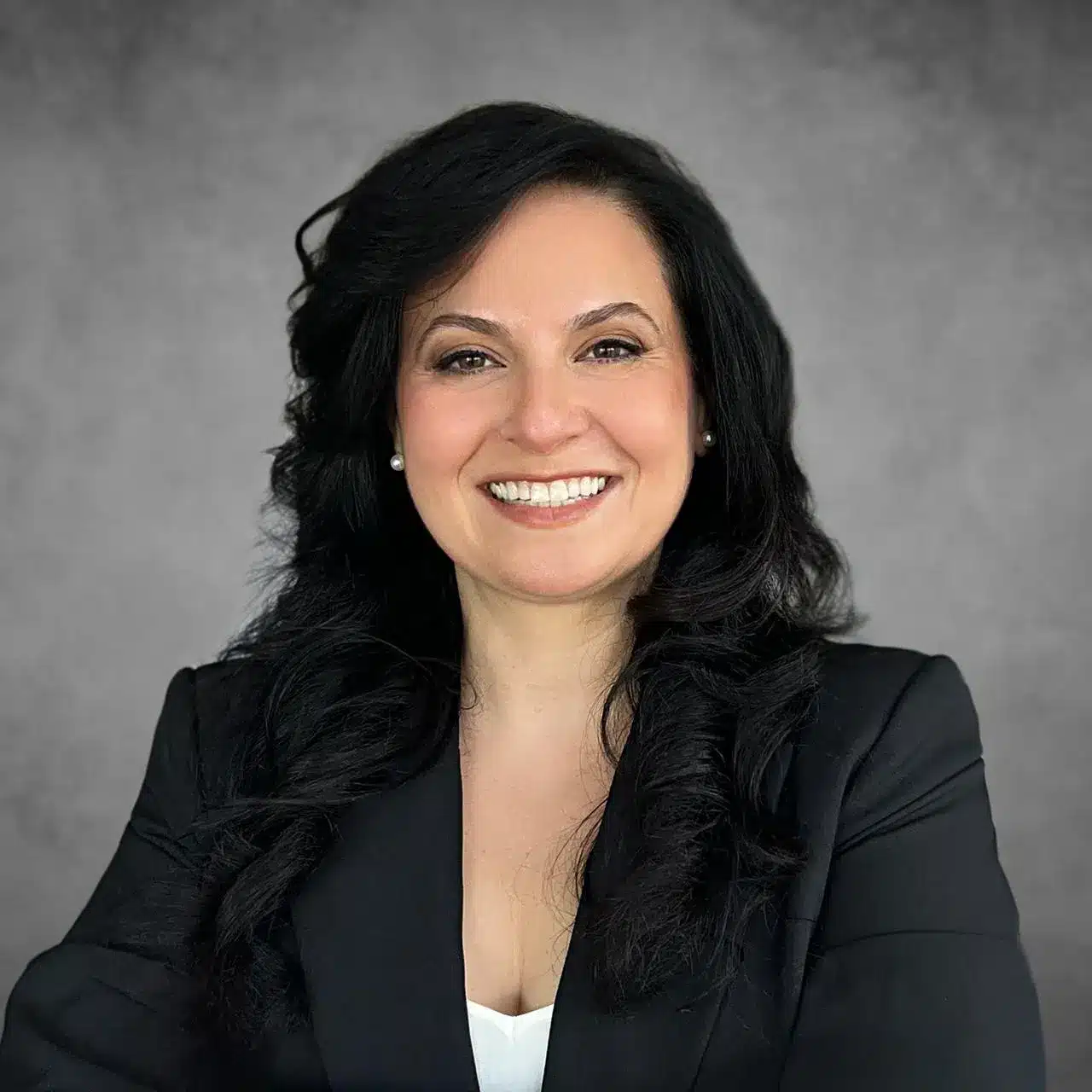



Our lawyers are only permitted to practice law in the jurisdictions in which they are licensed or have been authorized to practice.
What Our Clients Say
About the North Carolina Lemon Law
Answers anchored to N.C. Gen. Stat. §20-351 to §20-351.10, the statute that governs lemon law claims in North Carolina.
Frequently Asked Questions
Still Have Questions?
Our team reviews every case individually. The fastest answer is a free consultation — no pressure, no commitment.
Get a Free Case Review →North Carolina Lemon Law Arbitration
Whether a North Carolina owner has to arbitrate depends on the manufacturer: if its arbitration program is FTC-compliant, the consumer must use it. So we look up the manufacturer's program early on a North Carolina file, and the general questions about these programs are in our lemon law FAQ.
A program won't take a case that hasn't reached 4 repair attempts for the same defect or 20 cumulative business days out of service during any 12-month period, and any written notice that §20-351.5(a) requires has to have gone to the manufacturer too. Federal law requires arbitration before a Magnuson-Moss lawsuit only if the written warranty makes you use a program that meets FTC rules. Each program keeps its own schedule. The manufacturer is often bound by what the program decides, but the consumer generally still has the right to go to civil court, and appeal deadlines vary, so we want a copy of the decision the day it comes. When arbitration doesn't resolve the case, either side can file a civil suit, and the amount in dispute decides whether it goes to the Superior Court or the District Court, with the Superior Court districts for counties from Mecklenburg to Buncombe listed in the Statute-Cited Answers below.
Does every North Carolina owner have to arbitrate?
Only owners whose manufacturer runs an FTC-compliant program have to, and when it applies we do the filing and send the repair orders in with it.
North Carolina Lemon Law vs Federal Magnuson-Moss
Most North Carolina cases benefit from invoking both statutes, so we review every North Carolina case under N.C. Gen. Stat. §20-351 to §20-351.10 and the federal Magnuson-Moss Warranty Act (15 U.S.C. §2301) and use the stronger one. The state law has the repair presumption and the buyback remedy, but Magnuson-Moss adds a federal fee provision and can cover defects outside the North Carolina lemon law period.
On repairs, North Carolina requires 4 attempts for the same defect or 20 cumulative business days out of service during any 12-month period. But the federal act just asks for a "reasonable number" of repair attempts, and what counts as reasonable depends on the facts.
The state window closes at 24 months or 24,000 miles from original delivery, whichever is earlier, while the federal time limit runs as long as the express warranty does, and so the act can reach a defect after the North Carolina period is over.
Magnuson-Moss applies to any product under a written warranty, and that is why used cars often qualify. North Carolina's law is for new motor vehicles purchased or leased in the state for personal, family, or household purposes.
If a manufacturer's FTC-compliant program exists, North Carolina sends you there first, but federal law requires arbitration before a lawsuit only if the written warranty makes you use a program that meets FTC rules, and a case under either law can go to state or federal court. Fees follow each law's own rule: under the state statute the court may award them to a consumer who prevails if it finds the manufacturer unreasonably refused to fully resolve the matter, and 15 U.S.C. §2310(d)(2) applies on the federal side.
North Carolina Lemon Law: Statute-Cited Answers
Which North Carolina court hears a warranty lawsuit if arbitration fails?
If arbitration does not resolve the case, N.C. Gen. Stat. §20-351 to §20-351.10 lets either side file a civil suit, and it usually goes to the county where you live or where the car was sold. In North Carolina the amount in dispute decides whether a civil case goes to the Superior Court or the District Court. Charlotte and Huntersville are in Mecklenburg County, which is in Superior Court District 26, and Greensboro is in Guilford County, in District 24. Asheville is in Buncombe County and District 40, and Gastonia is in Gaston County and District 38.
High Point is split four ways, since per the 2020 Census parts of the city lie in Davidson County, in District 33, Forsyth County, in District 31, Guilford County, in District 24, and Randolph County, in District 37. Wake Forest is split too, between Franklin County in District 11 and Wake County in District 10. A Magnuson-Moss claim can also go to Federal District Court (15 U.S.C. §2310(d)(1)) if damages exceed $50,000 or party diversity permits it. In the end, which court hears a particular case still depends on its facts, the warranty issues involved and the law it is brought under.
When does a North Carolina lemon law attorney send the manufacturer written notice?
North Carolina has two written notices, one tied to the repair presumption and one due at least 10 days before a lawsuit. Under §20-351.5(a), the repair presumption applies only where the consumer notified the manufacturer directly in writing and allowed a reasonable period, capped at 15 calendar days, to correct the problem. The notice goes to the manufacturer directly, at the address it is required to publish in the warranty. North Carolina adds an unusual condition, though. The manufacturer must have disclosed the notice requirement in the warranty or owner's manual, along with that address, and if it didn't, the notice is excused outright.
The second one is separate from the first. Before suit, §20-351.7 requires written notice of intent to sue at least 10 days beforehand. We draft and send both in our North Carolina cases and follow up with the manufacturer.
How is the buyback mileage offset calculated in North Carolina?
Many states figure the allowance as your mileage divided by a useful life of usually 100,000 to 120,000 miles, times the purchase price. In North Carolina the refund is the purchase price minus a reasonable use offset. Registration, taxes, finance charges, and towing or rental costs usually go into the refund, and attorney fees are separate from the buyback. We check the manufacturer's formula against the statute, because a smaller mileage divisor means a bigger deduction.
Serving Drivers Across All of North Carolina
Easy Lemon represents North Carolina consumers from Charlotte to the Outer Banks. We handle N.C. Gen. Stat. §20-351 to §20-351.10 cases remotely, regardless of city or county.
Read More Relevant Blogs

How to File a Lemon Law Claim in North Carolina
North Carolina's New Motor Vehicles Warranties Act covers new vehicles and new motorcycles for the earlier of the...
Read Full Post →
Experienced General Motors Recall Lawyer
If your GM vehicle keeps going back to the shop for the same problem and nothing actually gets...
Read Full Post →
Ram 1500 Problems: Does Lemon Law Cover Your Truck?
Yes, the lemon law covers a Ram 1500 when the same substantial defect persists after a reasonable number...
Read Full Post →Resolving Your Lemon Law
Case Has Never Been Easier
Our experienced attorneys handle everything — from paperwork to manufacturer negotiations. You focus on your life, we'll get you results.