







How to File a Lemon Law Claim in North Carolina
 By Aaron Waldo

Short Answer
North Carolina's New Motor Vehicles Warranties Act covers new vehicles and new motorcycles for the earlier of the express warranty term or 24 months and 24,000 miles.
You can reach the presumption through four repairs on the same defect or 20 business days out of service in a 12 month span, which is lower than the 30 day norm elsewhere. Written notice triggers a 15 day cure window before arbitration.
Reviewed by Aaron Waldo, Lemon Law Attorney · Easy Lemon
North Carolina sets its days-out-of-service threshold at 20 business days, which is below the 30-day national norm and one of the lowest in the country.
The lower threshold puts the OOS path within reach of more consumers than in most states, and the statute also includes motorcycles, a vehicle category many state lemon laws cut out entirely.
Those two structural choices make North Carolina relatively consumer-friendly even though the fee provision is discretionary and the filing deadline defaults to the UCC.
Easy Lemon handles lemon law cases on a no-fee-unless-we-recover basis. If your dealer cannot fix a defective vehicle, request a free case review. In a lemon law claim, attorneys document the OOS day count, draft the written notice, and run the manufacturer's arbitration filing.
This guide walks through the New Motor Vehicles Warranties Act, the 20-business-day OOS threshold, motorcycle coverage, and the questions North Carolina consumers ask most often.
The New Motor Vehicles Warranties Act and What It Covers

According to Natalie Nassi, Esq., Partner at Easy Lemon, "many vehicle owners remain unaware of the compensation or replacement options available under lemon law."
North Carolina's statute, the New Motor Vehicles Warranties Act, lays out the consumer's path under N.C. Gen. Stat. §§ 20-351 through 20-351.10.
Related case result: 2025 Audi SQ5 buyback in North Carolina ($84,954)
The protection window runs the earlier of the express warranty term or 24 months / 24,000 miles. The Act applies to:
- New motor vehicles sold or leased in North Carolina
- New motorcycles
Used vehicles are not covered under the state lemon law, though they remain covered under federal warranty law for any defect arising while a written manufacturer's warranty is still active. The federal route is the Magnuson-Moss Warranty Act at 15 U.S.C. § 2310.
Why the 20-Business-Day OOS Threshold Is Unusually Low
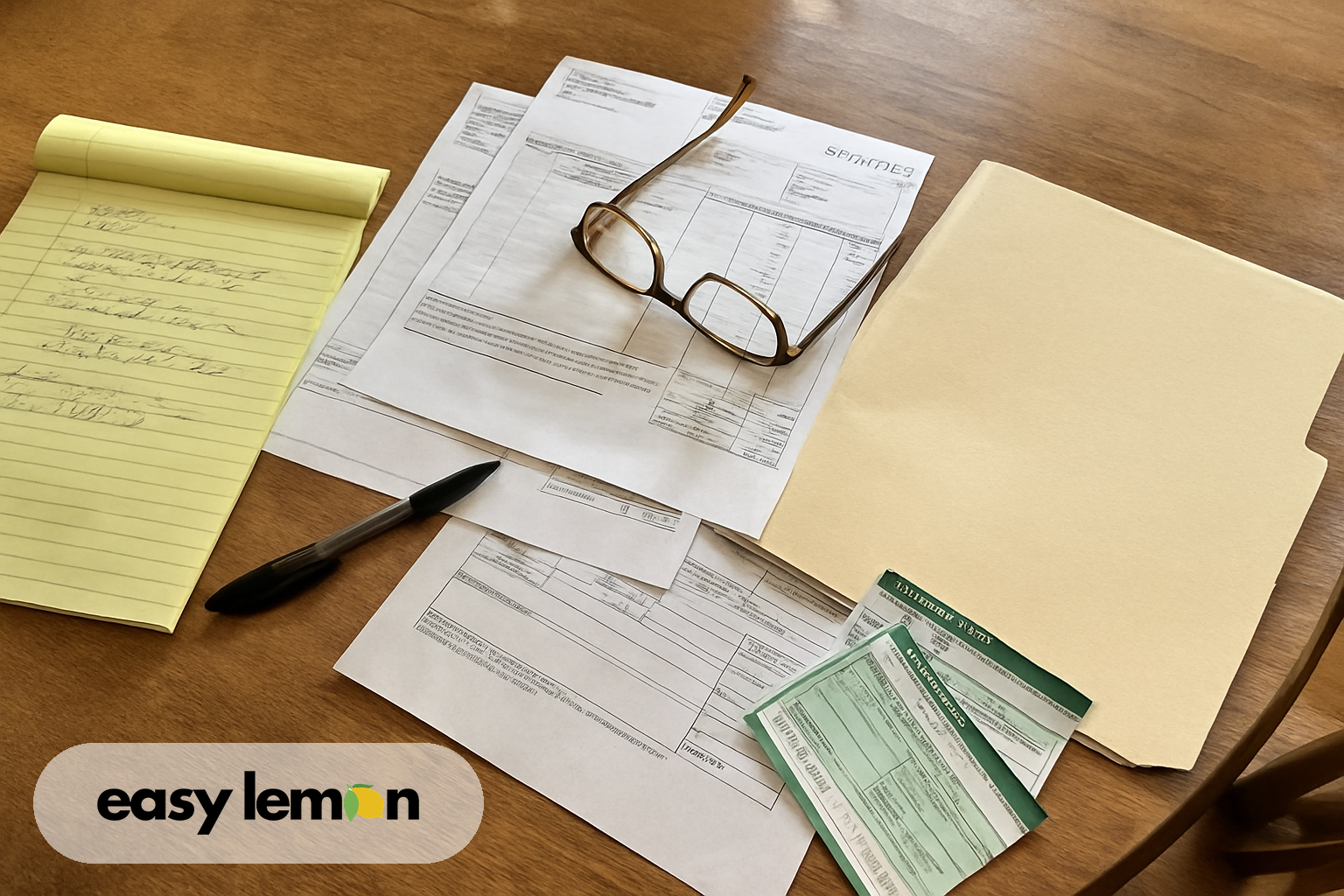
The single most consumer-friendly feature of North Carolina's lemon law is the 20-business-day days-out-of-service threshold. Most state lemon laws require 30 calendar days. North Carolina cuts that to 20 business days during any 12-month warranty period.
The math difference is meaningful. Twenty business days is roughly four weeks of weekday time, which on a calendar runs about 28 days when you include the weekends inside that span.
By using business days rather than calendar days, North Carolina also pauses the count over weekends and holidays when the dealer is closed, which avoids the trap most states create where weekend-only delays still tick the count.
The lower threshold matters most for consumers whose vehicles cycle in and out of the dealer for shorter visits.
A vehicle that spends three or four business days at the dealer for each of five separate visits hits the 20-business-day threshold without ever sitting for a single long stretch. That same fact pattern would not qualify under most states' 30-calendar-day rules.
The 4-Same-Defect-Repairs Path
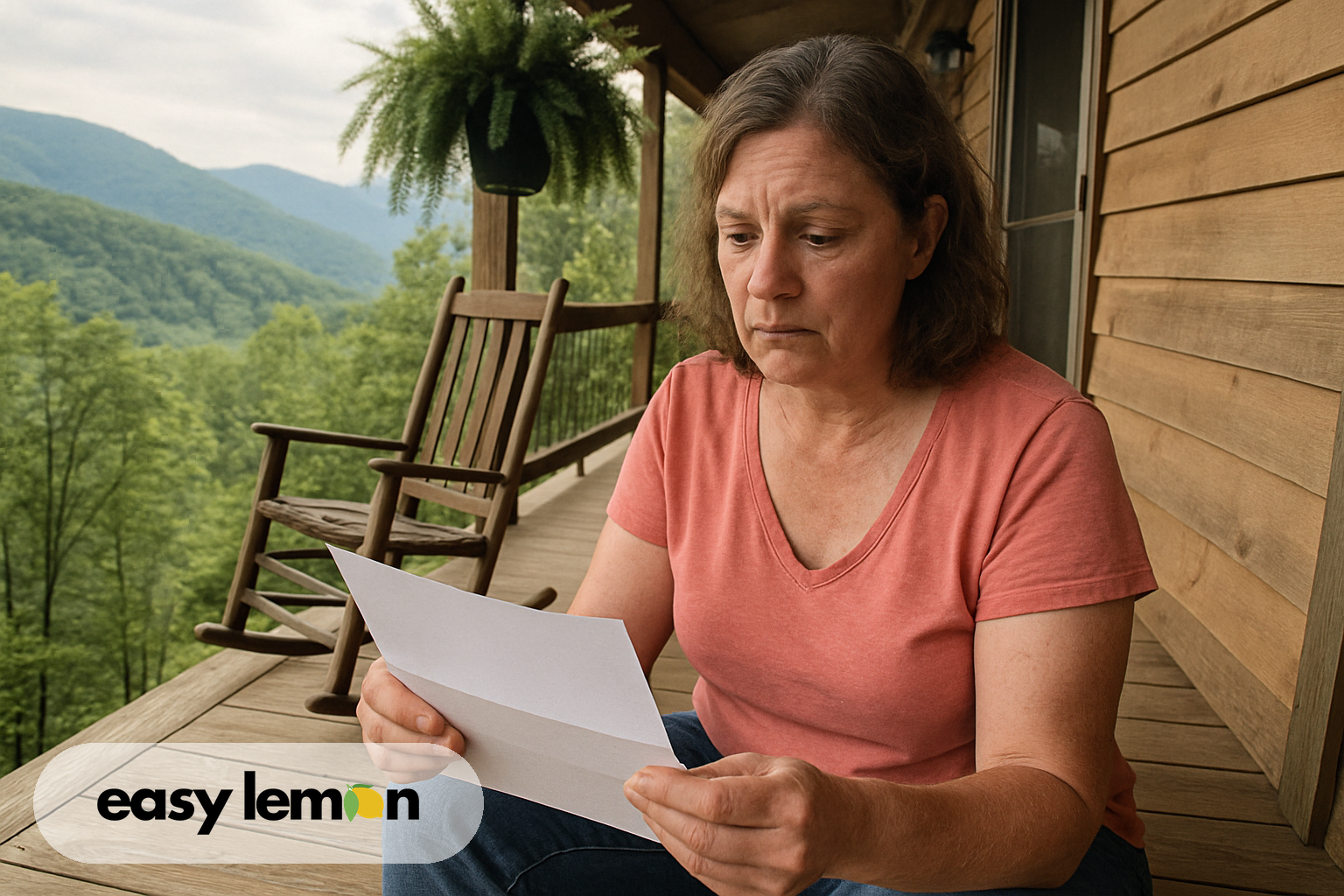
North Carolina's other path to the lemon law presumption is the more standard four-attempts rule. Four failed repair attempts on the same nonconformity during the warranty term triggers the presumption, regardless of total days at the dealer.
According to Natalie Nassi, the day count is where North Carolina consumers most often slip in lemon law cases. Every dealer drop-off and pickup needs to be logged the same day, because if it is not documented, it does not count toward the 20-business-day threshold.
The same rule applies to the four-attempts path. Each repair order needs the date, the mileage, and the described defect, or the manufacturer's counsel will argue the count short.
Below is the threshold table for the New Motor Vehicles Warranties Act.
The Written Notice and the 15-Day Cure Window
Once the four-attempts threshold or the 20-business-day count is hit, North Carolina requires written notice to the manufacturer. The statute is direct on this point, and certified or registered mail to the manufacturer's designated address is the standard practice because the date stamp anchors the cure window.
After receiving the notice, the manufacturer has 15 calendar days to correct the defect. If the defect is still there at the end of that window, the lemon law presumption attaches and you proceed to the manufacturer's arbitration program.
The lemon law letter is the procedural hinge of every North Carolina claim, and skipping it gives the manufacturer a clean cure-cutoff defense.
How Motorcycle Coverage Works Under the Statute
North Carolina is one of a small group of states whose lemon law explicitly covers motorcycles. New motorcycles sold or leased in North Carolina run the same statutory path as new cars and trucks.
The same four-attempts threshold, the same 20-business-day OOS rule, the same written-notice requirement, the same 15-day cure window.
That coverage matters because motorcycle defects often surface in cold-start, vibration, and fuel-delivery patterns that are tough to reproduce on demand.
The 20-business-day OOS path is often the practical route for motorcycle cases, since intermittent defects can rack up dealer days without ever hitting four documented same-defect repairs.
For motorcycle complaints unrelated to the lemon law remedy itself, the North Carolina Attorney General Consumer Protection Division accepts filings on dealer or manufacturer conduct.
Filing Through the Manufacturer's Certified Arbitration Program
North Carolina does not run a state-administered lemon law arbitration program. Cases proceed first through the manufacturer's informal dispute settlement program, typically BBB AUTO LINE, before the consumer can pursue civil court remedies.
BBB AUTO LINE has no filing fee. The consumer files online, the manufacturer responds, and an arbitrator usually issues a decision within 40 days. Decisions are non-binding on consumers, who can reject and proceed to court. They are binding on manufacturers if the consumer accepts.
If no such program is in place, or if the consumer rejects the arbitrator's decision, the case moves to North Carolina state court under the New Motor Vehicles Warranties Act. The court can award the standard refund or replacement remedy plus discretionary attorney's fees.
The 4-Year UCC Default and the Discretionary Fee Provision
North Carolina's lemon law is silent on the statute of limitations, so the default is the UCC's 4-year limit on warranty claims. The clock generally runs from the date of original delivery, though courts sometimes apply the discovery rule to defects that could not reasonably have been detected at delivery.
The fee provision is discretionary rather than mandatory. The court may award attorney's fees if the manufacturer unreasonably failed to resolve the case and the consumer prevails. Both prongs have to be present.
That is weaker than mandatory-fee states, but in practice North Carolina courts do award fees when the manufacturer dragged out a clearly winnable consumer case.
According to Natalie Nassi, the refund-versus-replacement choice often turns on how long the vehicle has actually been on the road.
Most Easy Lemon clients prefer the refund when their usage was minimal, rather than accepting another car from the same manufacturer that already sold them a defect. North Carolina gives the consumer that choice rather than letting the manufacturer pick.
Need Help Filing a North Carolina Lemon Law Claim?
You can file with the manufacturer's arbitration program on your own. The procedure is meant to be accessible to consumers without counsel. Manufacturers are almost always represented at the BBB hearing.
Their lawyers know the New Motor Vehicles Warranties Act, the 20-business-day count rules, and how to dispute the day log when entries are missing or inconsistent.
Easy Lemon, operated by RockPoint Law P.C., works on a no-fee-unless-we-recover basis.
A claim turns on the day count, the certified-mail notice, the 15-day cure window, and the BBB AUTO LINE filing. The firm has recovered more than $50 million** for clients.
For a free consultation, call 855-43-LEMON or schedule online through our intake form. There is no cost to find out whether you have a case. If you do, we tell you. If you do not, we tell you that too. North Carolina Lemon Law:
The Written Notice and the 15-Day Cure Window
Once the four-attempts threshold or the 20-business-day count is hit, North Carolina requires written notice to the manufacturer.
The statute is direct on this point, and certified or registered mail to the manufacturer's designated address is the standard practice because the date stamp anchors the cure window.
After receiving the notice, the manufacturer has 15 calendar days to correct the defect. If the defect is still there at the end of that window, the lemon law presumption attaches and you proceed to the manufacturer's arbitration program.
The lemon law letter is the procedural hinge of every North Carolina claim, and skipping it gives the manufacturer a clean cure-cutoff defense.
How Motorcycle Coverage Works Under the Statute
North Carolina is one of a small group of states whose lemon law explicitly covers motorcycles. New motorcycles sold or leased in North Carolina run the same statutory path as new cars and trucks.
The same four-attempts threshold, the same 20-business-day OOS rule, the same written-notice requirement, the same 15-day cure window. That coverage matters because motorcycle defects often surface in cold-start, vibration, and fuel-delivery patterns that are tough to reproduce on demand.
The 20-business-day OOS path is often the practical route for motorcycle cases, since intermittent defects can rack up dealer days without ever hitting four documented same-defect repairs.
For motorcycle complaints unrelated to the lemon law remedy itself, the North Carolina Attorney General Consumer Protection Division accepts filings on dealer or manufacturer conduct.
Filing Through the Manufacturer's Certified Arbitration Program
North Carolina does not run a state-administered lemon law arbitration program. Cases proceed first through the manufacturer's informal dispute settlement program, typically BBB AUTO LINE, before the consumer can pursue civil court remedies.
BBB AUTO LINE has no filing fee. The consumer files online, the manufacturer responds, and an arbitrator usually issues a decision within 40 days. Decisions are non-binding on consumers, who can reject and proceed to court.
They are binding on manufacturers if the consumer accepts. If no such program is in place, or if the consumer rejects the arbitrator's decision, the case moves to North Carolina state court under the New Motor Vehicles Warranties Act. The court can award the standard refund or replacement remedy plus discretionary attorney's fees.
The 4-Year UCC Default and the Discretionary Fee Provision
North Carolina's lemon law is silent on the statute of limitations, so the default is the UCC's 4-year limit on warranty claims.
The clock generally runs from the date of original delivery, though courts sometimes apply the discovery rule to defects that could not reasonably have been detected at delivery. The fee provision is discretionary rather than mandatory.
The court may award attorney's fees if the manufacturer unreasonably failed to resolve the case and the consumer prevails. Both prongs have to be present.
That is weaker than mandatory-fee states, but in practice North Carolina courts do award fees when the manufacturer dragged out a clearly winnable consumer case.
According to Natalie Nassi, the refund-versus-replacement choice often turns on how long the vehicle has actually been on the road.
Most Easy Lemon clients prefer the refund when their usage was minimal, rather than accepting another car from the same manufacturer that already sold them a defect. North Carolina gives the consumer that choice rather than letting the manufacturer pick.
Need Help Filing a North Carolina Lemon Law Claim?
You can file with the manufacturer's arbitration program on your own. The procedure is meant to be accessible to consumers without counsel. Manufacturers are almost always represented at the BBB hearing.
Their lawyers know the New Motor Vehicles Warranties Act, the 20-business-day count rules, and how to dispute the day log when entries are missing or inconsistent.
Easy Lemon, operated by RockPoint Law P.C., works on a no-fee-unless-we-recover basis.
A claim turns on the day count, the certified-mail notice, the 15-day cure window, and the BBB AUTO LINE filing. The firm has recovered more than $50 million** for clients.
For a free consultation, call 855-43-LEMON or schedule online through our intake form. There is no cost to find out whether you have a case. If you do, we tell you. If you do not, we tell you that too.
North Carolina Lemon Law: Frequently Asked Questions
The questions below come up most often when North Carolina consumers call Easy Lemon. Each answer points back to the statutory rule that controls, so you can verify the framework yourself before deciding whether to file.
Why is North Carolina's out-of-service threshold lower?
North Carolina uses 20 business days during any 12-month warranty period, below the 30-day standard most states apply. That makes the days-out-of-service prong of the presumption easier to satisfy. The 4-attempts-on-the-same-defect path is unchanged from the national norm.
Does the North Carolina lemon law cover motorcycles?
Yes. North Carolina is one of the states whose statute explicitly covers new motorcycles. The same four-attempts threshold and the same 20-business-day OOS rule apply. Motorcycle defects with intermittent symptoms often qualify under the OOS path even when the four-attempts path is not yet met.
What happens if my warranty is shorter than 24 months?
North Carolina's coverage period uses the earlier of the express warranty term or 24 months / 24,000 miles. If the warranty is shorter than 24 months, coverage tracks the warranty. After the lemon law window expires, federal Magnuson-Moss applies as long as a written manufacturer warranty is still active.
Are attorney's fees guaranteed in North Carolina lemon law cases?
No. The fee provision is discretionary. The court may award fees if the manufacturer unreasonably failed to resolve and the consumer prevails. Both prongs have to be present. Consumers commonly pair the state claim with a federal Magnuson-Moss claim, which has its own fee-shifting provision under 15 U.S.C. § 2310(d)(2).
What is the North Carolina filing deadline?
The state statute is silent on the SOL, so the UCC default applies. That gives consumers 4 years from delivery in most fact patterns. Because the deadline is jurisdictional, do not rely on the discovery rule without checking with counsel about the specific facts.
Reviewed by Natalie Nassi, Esq., Partner, Easy Lemon (RockPoint Law P.C.). This article is for general information only and is not legal advice.
Reading it does not create an attorney-client relationship between you and Easy Lemon or RockPoint Law P.C. North Carolina lemon law cases turn on specific facts and on the version of the statute in effect at the time of your purchase.
For advice on your specific situation, contact Easy Lemon for a free consultation. Past results discussed do not guarantee a similar outcome. Every case is different.
What Our Clients Say
Read More Relevant Blogs

How to Write a Lemon Law Demand Letter (+ Free Template)
A lemon law letter — usually called a lemon law demand letter — is a formal written notice...
Read Full Post →
How Long Does a Lemon Law Buyback Take?
There is no fixed answer, because no lemon law sets a finish date for a consumer's case. What...
Read Full Post →
How Long Does a Lemon Law Case Take? Average Timeline
Most lemon law cases resolve in about 60 to 120 days, with well documented claims often settling within...
Read Full Post →Resolving Your Lemon Law
Case Has Never Been Easier
Our experienced attorneys handle everything — from paperwork to manufacturer negotiations. You focus on your life, we'll get you results.
