






Washington Lemon Law Attorneys
You Can Get a Cash Settlement, a Replacement Car, or a Refund with Easy Lemon
The Washington Lemon Law (Wash. Rev. Code §19.118.005 to §19.118.911) requires manufacturers to repurchase or replace a new motor vehicle with a substantial defect after 4 repair attempts for the same defect (or 2 for serious safety defects) or 30 cumulative calendar days out of service. Under this statute, the manufacturer pays the consumer's attorney fees when the consumer prevails, no attorney fees unless we recover for you. Easy Lemon represents Washington drivers at every stage.

How your Washington claim gets built
Our lemon law work is directed by Steven P. Nassi, Esq., Managing Partner, Easy Lemon by RockPoint Law P.C. A Washington claim gets built on two things: the Washington lemon law statute, and the federal Magnuson-Moss Warranty Act, which applies in all fifty states. Send the repair orders and the purchase or lease paperwork, and we can tell you which of the two fits your vehicle.
Read Steven Nassi’s full bio →Is Your Car a Lemon?
Your car may be a lemon if it keeps going back to the dealer or the mechanic for the same problem. Under Washington law, the defect must make the car unsafe, unreliable or worth much less. The manufacturer or dealer must also have failed to fix it after several tries.
The same noise, shaking or warning light keeps coming back.
The dealer has worked on it multiple times and the problem is still there.
Understanding Washington's Lemon Law
Washington's Lemon Law is found at Wash. Rev. Code §19.118.005 to §19.118.911 and sets the rules for defective new vehicles in the state.
How Washington's Lemon Law Process Works
Document Your Repairs
Ask for a repair order every time you visit a Washington dealer, even if the technician finds nothing. Under Wash. Rev. Code §19.118.005 to §19.118.911, these papers prove your repair attempts. Keep every receipt and work order.
Contact Easy Lemon
Send us your records. We check your repair history against Washington's statute and tell you if your car qualifies as a lemon. The consultation is free, with no obligation.
We File Your Claim
We prepare the claim and handle the paperwork. This includes any notice to the manufacturer that Wash. Rev. Code §19.118.005 to §19.118.911 requires.
Manufacturer Response
If Washington law gives the manufacturer a final repair attempt, it gets one. If the defect remains, Washington law entitles you to relief. Most claims then move toward settlement.
Get Compensated
You receive a refund, a replacement vehicle or a cash settlement. No attorney fees unless we recover for you.
Why Choose Us for Lemon Law?
Past Results
We've recovered over $30 million for our clients by securing refunds, cash settlements, and replacements.
Client-Centered Approach
We receive positive feedback from clients we have represented.
Fee-Shift Representation
Under Wash. Rev. Code §19.118.005 to §19.118.911, the manufacturer pays the consumer's attorney fees when the consumer prevails. No fee unless we recover compensation.
Focused Results
We know the stress defective vehicles bring, so we simplify the process for you.
At Easy Lemon, your success is our mission. Let us simplify the process and get you the justice you deserve.
Washington Lemon Law Results
These are actual settlements obtained by the firm, shown because we do not yet have enough resolved matters in Washington to report state-level figures. Prior results do not guarantee or predict a similar outcome; every case is different. See our recent settlements page for more.
Defect: electrical/ technology
Results may vary. Prior outcomes do not guarantee a similar result. Each case is unique and depends on its specific facts and applicable law.
What The Manufacturer May Owe You
Refund
You get your purchase price back, including taxes and fees, minus any use deduction Washington law allows.
Cash Settlement
You receive a payment for the unresolved defect and keep your car.
Vehicle Replacement
You get a comparable new vehicle in place of the defective one, at no extra cost.
Meet Our Legal Team

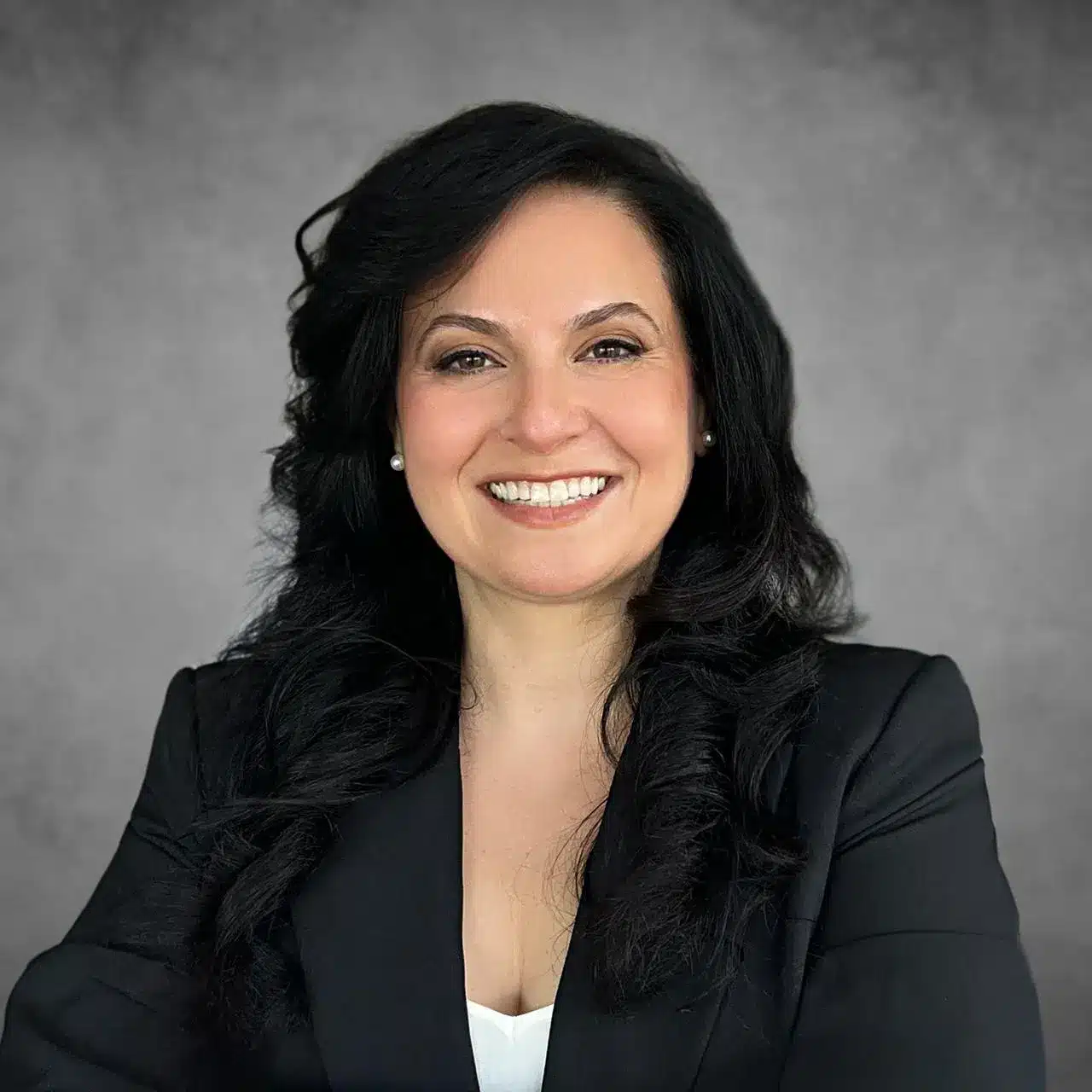



Our lawyers are only permitted to practice law in the jurisdictions in which they are licensed or have been authorized to practice.
What Our Clients Say
About the Washington Lemon Law
Answers anchored to Wash. Rev. Code §19.118.005 to §19.118.911, the statute that governs lemon law claims in Washington.
Frequently Asked Questions
Still Have Questions?
Our team reviews every case individually. The fastest answer is a free consultation — no pressure, no commitment.
Get a Free Case Review →Washington Lemon Law Arbitration
Washington doesn't leave arbitration optional: the claim must go through state-certified arbitration run by the Washington Attorney General's office, and a consumer may request that state-administered arbitration up to 30 months from original delivery. We check which route applies to your car and prepare the filing, and general questions about arbitration are answered in our lemon law FAQ.
When can a Washington arbitration hear my case?
A case can go to arbitration once the repair history meets the statute's threshold, which is 4 repair attempts for the same defect, 2 for a serious safety defect, or 30 cumulative calendar days out of service, and after any written notice to the manufacturer that the statute makes a prerequisite. Our client's Audi Q5 had four documented warranty repair events for its infotainment defect within 18 months.
Is the arbitration decision the last word?
A Washington arbitration decision often binds the manufacturer. The consumer usually keeps the right to appeal to civil court, and appeal deadlines vary, so we want to see a copy of the decision the day it arrives. How long the whole thing takes is set by the program. If arbitration doesn't resolve the case, either side can file a civil suit, and the county superior courts are listed in the Statute-Cited Answers below.
Washington Lemon Law vs Federal Magnuson-Moss
Most Washington cases can go under both laws at once, and we check each file against Washington's lemon law and the federal Magnuson-Moss Warranty Act (15 U.S.C. §2301) before choosing which one to lead with. The state law is where the repair presumption and the buyback remedy come from, while Magnuson-Moss brings a federal fee provision and can reach defects outside the Washington lemon law period. Washington counts 4 repair attempts for the same defect, 2 for a serious safety defect, or 30 cumulative calendar days out of service. The federal act has no count. It just asks for a "reasonable number" of repair attempts, and what's reasonable depends on the facts. Washington gives you 30 months from original delivery to file, but the federal time limit is however long the express warranty lasts. The state law is for new motor vehicles purchased or leased in Washington for personal, family, or household use, and Magnuson-Moss applies to products sold with a written warranty, which is why used cars often qualify. Washington requires state-certified arbitration through the Attorney General's office before suit, but federal law requires arbitration before a lawsuit only if the written warranty makes you use a program that meets FTC rules, and a case under either law can be heard in state or federal court. The federal fee rule is 15 U.S.C. §2310(d)(2).
Our client's 2024 Audi Q5 e claim was brought under both the Washington Lemon Law and Magnuson-Moss, and the car was bought back.
Washington Lemon Law: Statute-Cited Answers
Arbitration comes first under Wash. Rev. Code §19.118.005 to §19.118.911, and court comes after it, if at all, since the statute lets either side file a civil suit when arbitration doesn't resolve the case.
Which Washington court hears a lemon law lawsuit if arbitration fails?
A Washington lemon law lawsuit usually goes to a court in the county where you live or where the car was sold. Seattle and Burien are both in King County, and the Washington Courts directory lists the King County Superior Court as that county's superior court. Tacoma is in Pierce County, with the Pierce County Superior Court. Spokane and Spokane Valley are in Spokane County, with the Spokane County Superior Court. Yakima is in Yakima County, with the Yakima County Superior Court. Federal District Court is also possible under Magnuson-Moss (15 U.S.C. §2310(d)(1)) if damages are over $50,000 or party diversity permits it. In the end, which court hears a particular case depends on its facts, the warranty issues involved and the law it's brought under.
What do Washington lemon law attorneys need from you?
We start with the repair orders, because the attempts and the days get counted off them.
- repair orders from every visit
- the purchase or lease contract, which shows the delivery date
- the manufacturer warranty booklet
- emails, texts and letters with the dealer or manufacturer
- receipts for towing, rentals and lodging, because those costs are often recoverable
It helps to write down the date every time the problem shows up and what the mileage was, and you can look up your VIN for recalls on the NHTSA site, nhtsa.gov/recalls, too.
What kind of defect counts? It has to substantially impair the use, market value or safety of the vehicle, and scratches and small paint flaws usually don't. Most of what Washington drivers bring us is engine stalling and misfires, transmission shudder or failure, electrical faults that leave warning lights on, brake and steering trouble, and driver-assistance (ADAS) systems that brake or drift on their own. Our client's Audi Q5 was an infotainment case. A 2022 Jeep Wrangler we handled in South Carolina was three days old, at 186 miles, when it started pulling right with a vibration. Later it got the "death wobble". It went in four times, one of them for a recall repair, and by 28,280 miles the wobble came on at 70 mph.
Serving Drivers Across All of Washington
Easy Lemon represents Washington consumers from Seattle to Spokane. We handle Wash. Rev. Code §19.118.005 to §19.118.911 cases remotely, regardless of city or county.
Read More Relevant Blogs

Washington Lemon Law Attorney Fees: Who Pays?
In Washington, manufacturers pay legal fees for consumers under two circumstances, and these fees don’t involve any fraction...
Read Full Post →
How Long Is the Lemon Law in Washington State?
Washington's lemon law eligibility period ends two years after delivery or at the first 24,000 miles, whichever comes...
Read Full Post →
Understanding Washington State Used Car Lemon Law
The purpose of Washington State’s used car lemon law is to safeguard car owners who inadvertently buy a...
Read Full Post →Resolving Your Lemon Law
Case Has Never Been Easier
Our experienced attorneys handle everything — from paperwork to manufacturer negotiations. You focus on your life, we'll get you results.