








Troubleshooting Jeep Compass Transmission Problems 2026

Jeep Compass transmission issues often include things like hard or delayed shifts, slipping gears, loud whining noises, and "service transmission" warnings. This is usually due to low or dirty fluid, clogged filters, software errors, faulty sensors, or worn internal parts such as clutch packs and valve bodies.
Solutions range from checking fluid/leaks and getting software updates to professional diagnostics, fluid flushes, and potential repairs/replacement of components like the torque converter.
At Easy Lemon, our lemon law attorneys have helped people like you regain their rights under lemon laws. With our legal knowledge and client-first approach, we ensure your case is handled carefully. Contact us today to get started with a free case evaluation.
This article looks at all the main jeep transmission issues. It talks about how to spot and fix those problems, as well as the advantages and drawbacks of dealing with such issues. There are also some tips for keeping your jeep transmission healthy.
What Are Common Jeep Compass Transmission Issues?
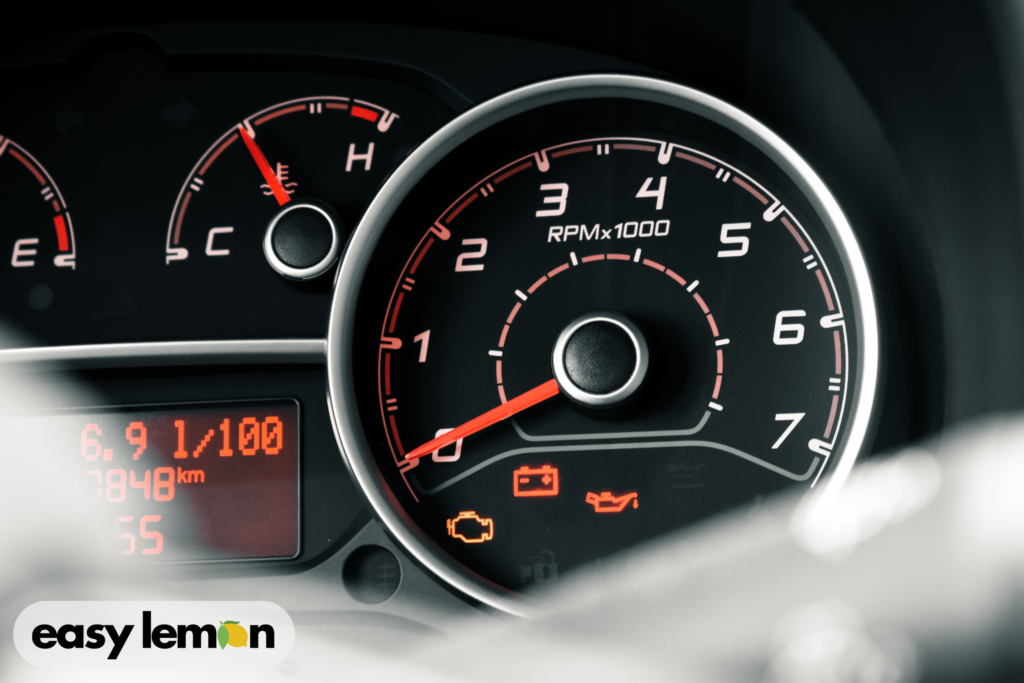
Common jeep compass transmission issues include delayed/harsh shifting, slipping gears, continuously variable transmission (CVT), failures (jerky motion, stuck in gear), fluid leaks, and overheating.
Grinding noises, and control module failures are also part of jeep transmission issues, especially in older models (2007-2013). In addition to the above issues, key transmission issues often involveservice transmission warnings.
Common causes include dirty or low fluids, clogged filters, software glitches, faulty sensors and worn parts such as clutch packs or valve bodies. Checking if there is any change in the check engine light and being ready to act quickly is also important.
Key symptoms of these transmission problems include hard or delayed shifting and inconsistent gear responses like hesitation when changing from park to drive, jerky shifts, or getting stuck in gear.
This is usually caused by low/dirty fluid, clogged filter, faulty solenoids, valve body issues, software glitches, or worn clutch packs.
Slipping of gears and loss of power is another sign that something is wrong with your transmission. It happens when the engine revs high but the car doesn't accelerate, especially if there's a lot of load on the vehicle. This often happens because of low fluid levels, contaminated fluid, or a bad torque converter.
Another major sign of jeep transmission is fluid leaks and burning smell, which occurs when there are puddles under the car, dark/burnt-smelling fluid, or a "strawberry milkshake" look (fluid mixed with coolant). This is caused by software issues, sensor errors, fluid problems, or internal faults.
Overheating and "service transmission" warnings are important signs that there might be transmission problems. Transmission service alerts appear as an electronic warning light on the dashboard of the Jeep.
Overheating happens when transmission feels very hot. The transmission fluid then breaks down quickly, which leads to poor performance. Overheating usually results from low fluid levels, towing with heavy loads, rough driving style, lack of maintenance, or a blocked cooler or filter.
On the other hand, transmission warning is usually caused by software issues, sensor errors, fluid problems, or internal faults.
If there are problems with the transmission on a jeep, you will usually hear unusual sounds when shifting gears or at certain RPMs. Those sounds can be things like grinding, whining, humming, or clunking. This is typically due to worn gears, a failed torque converter, or a clogged filter.
How Do Jeep Compass Transmissions Operate?

The jeep compass uses different transmissions (manual, conventional auto, or CVT) paired with selec-Terrain 4WD systems. Operating by automatically shifting gears for efficiency or power, using planetary gears/belts (CVT) to change ratios, and engaging 4WD via sensors for grip.
This works with implementation focusing on terrain modes (sand, snow, mud, auto, rock) and maintenance like transmission fluid checks for smooth, capable performance.
The first step for operating the transmission on a Jeep Compass is input and sensing. At this point, engine power is supplied and sensors measure things like speed changes, acceleration, throttle position and also detect any slipping of the wheels.
The next step after that is when the torque converter connects the engine to the transmission and allows for slipping at idle speed. Following that is activation of either planetary gears or pulleys depending on whether you have an automatic transmission or CVT.
Here's where electronic control units change gear ratios for various speed and torque needs. Next comes activation of the valve body and solenoids; these direct hydraulic pressure that engages clutches or bands for gear changes.
The final step is the output. This is when the power goes to the wheels, sometimes through a transfer case to all four wheels.
There are three basic implementation methods for compass transmissions, which are selec-terrain dial method, which is near the shifter, and selects modes like auto (default FWD/AWD, engages 4WD when needed).
Snow, sand, mud optimizes traction for specific loose surfaces, along with the rock (trailhawk), which has low-range gear engagement (via CVT fluid reduction) for extreme crawling.
Another way of implementing this is using the Active Drive I or II method. This involves systems that send power directly to the rear wheels if the front wheels start slipping. Freedom Drive II adds simulated low range as well. Another option is to use the manual method; here, the driver controls the clutch and gear selection for full control.
To keep your Jeep Compass transmission healthy you should check fluid levels and quality regularly. First, you will want to find where the dipstick is located; typically it is close to the oil dipstick, and your owner's manual shows the exact location.
While the engine is still running, pull it out, clean it up, put it back in and check the fluid: it should be clear with just a slight pink color and shouldn't smell burnt. Another thing you need to do periodically to maintain your jeep compass transmission is to change the fluid; intervals vary but generally fluids should be changed between 60,000 and 90,000 miles for automatic transmissions.
According to a post from Rad Air, CVTs (continuously variable transmissions) may need service earlier, around 30,000 to 50,000 miles. If you're towing something, driving on rough terrain, or dealing with lots of stop and go in busy cities, you will likely need to change fluid more frequently.
Maintenance of your transmission includes changing fluid and flushing it out sometimes. Changing fluid tends to cost less and work well enough. A flush is sometimes needed if the fluid is very bad, but use caution, as a simple change is usually preferred.
There are other things that need doing too. You should replace filters and listen carefully for any unusual sounds or gear slippage. Also check your manual; owners' manuals have information about correct fluid type and fluid capacity. Another important thing is seasonal maintenance. This means making sure that coolant mix is right for cold weather and that air conditioning works well in summer because high temperatures affect all parts of the car including the transmission system. Your manual is really your best guide for specific times and procedures especially for CVTs and filter servicing so that everything stays smooth and runs well.
What Are Solutions to Transmission Problems?

Solutions for transmission problems range from routine tasks such as checking fluid levels and smooth driving to more involved repairs like replacing solenoids or clutch packs or even the transmission itself.
With prevention through regular servicing, proper fluid use, and avoiding harsh habits being the most effective long-term strategy to avoid costly fixes.
Early diagnosis from a professional mechanic is really important because little problems can quickly escalate into big ones. Often, fixes involve flushing fluids, replacing sensors or upgrading parts.
Some preventative solutions include checking and changing fluid regularly, to maintain proper levels and quality. Use manufacturer-approved fluid to prevent wear and overheating.
Gentle driving and proper cooling are also vital preventative measures. Avoid aggressive acceleration/braking, don't overload the vehicle, and warm up the car before driving.
Also, make sure that your cooling system functions properly and consider adding an extra cooler if towing. Regular maintenance is important to avoid transmission problems; follow service schedules to spot small issues early.
One repair or replacement solution for a faulty transmission is to flush out the fluid; this can improve things when that fluid is dirty or contaminated. However, you want a qualified mechanic to decide whether this is really necessary.
Component repair/replacement is also a solution for faulty transmissions. This involves replacing faulty parts like solenoids, sensors, or worn clutch packs.
Components like torque converters can be upgraded to get better performance and longer life. Finally, if there's very serious damage, you will need a rebuild or full replacement, though it is costly.
Repair and Replacement
Choosing whether to fix something or replace it is mainly based on carefully comparing costs, effectiveness and long term benefits. Generally speaking, the choice involves weighing short term financial considerations against longer term value and performance.
Cost is the main factor, so you should look at the price of parts and labor compared to the current worth of what you have and also compare that to the cost for a new replacement item.
Also consider that if total repair costs exceed half the price of a new transmission this is often a good indication it should be replaced. To determine replacement cost add the full price of a new item along with other related costs such as delivery fees, installation costs and disposal charges for the old one.
Next, you have to consider effectiveness. Effectiveness addresses the functionality and reliability after the intervention. Consider the item's age and it's history of breakdowns.
Issues that keep coming back usually suggest there is something deeper that a simple fix can't solve. For major appliances, repairs usually just add another few years before they break again. Spending money on fixing them may not be worth it in the long run. Alternatively, buying new equipment might bring improvements in technology and higher energy efficiency along with a brand new warranty, so you're likely to get better performance as well.
Sometimes technology on older items is outdated and makes them hard to fix and less effective compared to something that works well with newer technology.
When you're considering whether to fix something or replace it, long-term benefits should definitely be taken into account. These benefits include factors like value, sustainability and peace of mind.
When deciding whether to fix something or buy a brand new one, you should consider how long that item will last after being repaired compared to the full expected life span of a brand new product. Repairing a durable, high-quality item could often turn out to be a better choice both environmentally and financially as compared to getting a brand new one which may be less durable.
Repairs usually come with a limited warranty covering only the specific work done. In contrast, new products usually get full warranties from manufacturers that cover both parts and labor over a long time.
Newer things usually use less energy too, which means you spend less money in the long run. When you repair something rather than buying a new one, that creates less waste and uses fewer resources, which is good for the environment.
Professional Assistance
Seeking professional help is very important for dealing with complicated matters in different areas like cars or legal matters. Professionals have special expertise, ensure quality work and handle complex systems that the average person usually struggles to manage alone.
When you need to work on your car whether for maintenance or repairs, you want to go to someone who knows what they're doing. Hiring a certified mechanic means you get someone who has special training and meets specific standards in this field.
Often holding certifications such as those from the National Institute for Automotive Service Excellence (ASE). Professionals matter for meeting the specific requirements of warranties, too.
Handling legal matters is really complicated because of all the laws, regulations and court procedures involved. So professional help from lawyers is essential. Lawyers spend many years studying and training to understand the details of the legal system.
They can provide legal advice, draft necessary documents, negotiate on your behalf, and represent you in court.
What Are the Benefits of Addressing Transmission Issues?
Addressing jeep transmission problems quickly brings many benefits such as enhanced safety, substantial savings in costs, better performance and fuel economy, and longer life for the whole vehicle.
Prompt repairs help avoid sudden jerks or slipping gears which could cause loss of control when driving. A properly working transmission means smooth performance, quick response and control.
Early handling of smaller problems also works out cheaper because big repairs can be really costly. Keeping your transmission in good shape gives smooth, immediate gear shifts, which leads to a quieter and more pleasant ride.
The transmission works in concert with the engine and differential and failure in one component can cause a domino effect of mechanical issues.
Prompt repairs protect other major components. Finally, a properly functioning transmission facilitates efficient fuel combustion, which lowers harmful exhaust emissions.
Addressing potential fluid leaks promptly prevents the transmission fluid, which is toxic, from contaminating soil and water sources.
By keeping a step ahead of transmission health and dealing with any problems right away, you can have a safer, more efficient and more reliable drive while protecting your investment.
Longevity and Value
Regular maintenance and careful driving habits really affect both how long a car lasts and what you can sell it for in the future because they increase durability and reduce costs over time. Following the manufacturer's suggested service schedule like regular oil changes and checking fluids is important. This takes care of key components like engines and transmissions and helps prolong the life of the car. Regular care avoids unexpected expensive repairs later on.
Generally speaking, cars with clear histories of regular maintenance tend to fetch a higher resale value because buyers are willing to pay a premium for something well cared for.
Benefits in terms of lower future costs also extend to whoever will own the vehicle later. Prospective buyers see a well cared for car as an attractive investment with stable and low ongoing expenses. This makes such vehicles more appealing on the market for used cars.
What Are Common Challenges in Fixing Transmission Problems?
Fixing transmission issues involves a number of common difficulties: transmission systems are complicated; they require special knowledge and tools; and the repairs themselves tend to be labor intensive.
One of the biggest challenges in dealing with transmission issues is related to both complexity and precision: modern transmissions involve mechanical parts as well as hydraulic and electronic elements that need to work together very carefully. It also takes specialized knowledge and special tools to fix them; transmission repair is among the most time-consuming auto repair jobs. Not every repair shop has workers who specialize in handling this particular type of job.
Fixing transmission problems is a labor-intensive process. This is also a common challenge encountered while fixing transmission issues.
Transmission repairs are some of the most time consuming jobs for car repairs. This labor adds greatly to both the difficulty and the cost. Another challenge is diagnosing the problem accurately.
Transmission problems often have similar symptoms like noisy gear shifts and gear slippage. However, these symptoms result from different root causes, ranging from low fluid levels to a failing torque converter.
Identifying the root cause correctly before taking something apart is important because that way you don't waste your time on unnecessary work or perform repairs incorrectly. There's another common difficulty too: getting good replacement parts that match. Low quality replacement parts often cause new problems.
Diagnostic Challenges
Diagnosing transmission problems is complicated because they involve mechanical elements and there's a risk of misdiagnosing symptoms. Diagnosis also needs specialized, high-tech equipment. Symptoms like slipping gears, delays in gear engagement, or strange sounds can easily look like similar problems from other closely related systems.
Issues originating in the engine, the vehicle's computer system, or even the torque converter might present symptoms that mimic a transmission failure.
Modern transmission systems are very advanced; they rely mainly on electronic control units (ECUs) along with lots of sensors and complicated hydraulic systems. This complexity can easily lead to misdiagnosis based on symptoms.
Diagnosis needs high tech equipment and skilled people who really know what they are doing. Internal workings of transmissions especially these newer Continuously Variable Transmissions (CVTs) and complex automatic transmissions with eight, nine or ten gears are very complicated. Today if you want to do physical inspection or repair, you usually need special tools and a high level of technical skill.
Distinguishing the root cause of transmission issues is tricky because transmission systems include different mechanical, hydraulic, and electrical parts. This kind of troubleshooting requires experience as well as significant investment into appropriate tools and technology.
Cost and Time Factors
Transmission repair tends to be expensive and takes a lot of time because transmissions nowadays are quite complex. There are also high labor costs because this type of work usually requires special skills and typically involves 8 to 12 or more hours of work. Replacement parts can cost hundreds for minor repairs and thousands for rebuilding or replacement. Major problems can take several days. It's really important to do preventative maintenance and catch any problems early.
Transmission design is very complicated involving many different components such as gears, clutches, and sensors and therefore repair costs and labor costs can be high. Changing transmissions is a big job that usually takes between 8 and 18 hours or longer at high rates (like $75 to $150 an hour). This adds up to a bigger bill. Parts from higher-end brands like Jeep also tend to be pricier compared to parts for regular cars.
Diagnosing accurately takes a long time, especially for complex cases that need careful investigation. Removing and reinstalling the transmission unit is also a drawn out process. When you combine this with a complete rebuild, which requires taking apart the unit, cleaning, inspecting any worn parts and then replacing them, the whole project can take several days, usually three or more.
Repairs can also take longer while you wait for specific parts, some of them imported; this is particularly true for customized or older models.
What Are Best Practices for Transmission Maintenance?
Regular fluid checks and changes as well as using the right kind of fluid along with keeping the cooling system in good condition and driving smoothly (gentle starts and stops, full stops before shifting gears) are key for good transmission maintenance.
It also involves changing the filter periodically, and getting annual professional inspections to catch issues early. It is also important to understand the jeep lemon law.
To avoid costly repair bills, you really want to watch out for overheating and overload conditions and try to avoid sudden gear shifts. Regularly checking fluid levels and condition and using the right fluid and having fluid flushed once a year can also help take care of your transmission.
Maintaining engine cooling, driving smoothly (to avoid acceleration, sudden braking, and aggressive driving), using parking brake, and avoiding overloading are some very effective ways of keeping your transmission in good condition.
It is also important to have a mechanic inspect for leaks or problems yearly, and address the issues promptly.
Preventive Practices
To prevent transmission issues, consistently perform regular inspections for leaks and fluid condition, replace fluid and filters per schedule.
Also avoid rough handling such as sudden starts and stops and overloading. Pay attention to warning signs such as slipping gears and other potential issues so that you can address them early. Use the correct fluid type and keep your cooling system well maintained too.
Make sure to schedule regular checks for any leaks and also keep your cooling system in good shape because that keeps both the engine and the transmission cool.
To avoid transmission issues you should drive smoothly and let your car warm up slightly before starting to drive hard; use the right fluids and use the parking brake especially on inclines to reduce strain on the transmission.
What Are the Next Steps for Jeep Compass Owners?
The primary "next steps" for a new or existing Jeep Compass owner involve familiarizing themselves with their vehicle's specific features and committing to a routine maintenance schedule outlined in the owner's manual.You also need to adhere to the maintenance schedule by following the recommended maintenance plan, which is essential for safety, optimal performance, and maintaining warranty coverage.
Monitoring tire pressure, checking fluid levels, and performing regular washes/waxes to prevent corrosion can extend vehicle life.
For complex procedures or specific issues, contact a qualified workshop or an authorized Jeep dealership, as they have factory-trained technicians and genuine Mopar parts.
Make sure to deal with any unusual sounds or changes in performance right away; small things can turn into bigger issues that could waste both your time and money later on.
You could also look into things like different side steps or tires designed for rough terrain by talking to owners on forums or visiting your local dealership.
Immediate Actions
If you run into any problems with your transmission, you should first stop safely and avoid driving further. Once you have parked safely, turn off the engine and then have an inspection done by a professional after checking if you have coverage under warranty.
Next, you can check the fluid level (if safe), and try to access the transmission dipstick (many modern cars have sealed systems), check the fluid level and condition.
Fluid should generally be bright red and clear but if it is brownish black or has a burnt smell there is something wrong. Next you need to arrange for towing service because transmission problems usually need professional help and not just refilling fluid: call roadside assistance or a local towing company to have your car transported to a repair shop.
Once the vehicle is at the shop, a professional inspection is necessary for an accurate diagnosis. You need to consider a shop that focuses on transmission repair, as they have the specific tools and expertise needed.
Next you request a diagnostic service. The mechanic will perform an initial inspection that usually includes a road test if feasible, checking fluids and using diagnostic tools to read codes from your car's computer system.
After the inspection, make sure you understand the findings as they are explained to you. The technician will explain if the problem is easy to fix (such as low fluid), or something that requires rebuilding or replacement. You should get a detailed quote before any work begins.
Long-Term Planning
Long-term transmission health requires both regular maintenance and careful financial planning so that small problems don't become big costly repairs down the road. Adhering to a consistent maintenance schedule is the most effective way to ensure longevity. Transmission fluid is the "lifeblood" of the system, as it is responsible for providing lubrication, cooling, and hydraulic pressure. Always check fluid levels and be sure to use the right kind of fluid.
Please make sure to follow manufacturer recommendations when changing fluids and filters. Typically, for most cars that would be every 30,000 to 60,000 miles for automatic transmissions, but specific intervals can be found in your owner's manual.
Planning for finances in advance helps you avoid a big surprise from an unexpected major repair bill. Rather than looking at maintenance as money that is already spent, incorporate regular servicing costs into your monthly or yearly budget. Doing this turns these costs into something steady and easier to manage.

Resolve Jeep Compass Transmission Problems Now!
Fixing issues with a jeep compass transmission involves specific steps that you need to follow to get your car back to working condition.
This article goes into detail about those procedures along with many other important details such as maintenance strategies. It also stresses that you should always rely on a professional mechanic for work like repairs and replacements on your car.
Are you currently facing compass transmission issues? Our lemon law attorneys at Easy Lemon can help you through the entire process necessary to return your jeep to its normal state.
Don't let transmission problems hold you back, Contact us for legal advice or walk into our office and together, let us protect your rights and get the remedy the statute provides.
FAQs
Handling something like troubleshooting a faulty compass transmission when you don't have any previous experience or background is really confusing. Here are some common questions that people often ask along with their answers.
How Much Does It Cost To Fix a Jeep Compass Transmission Problem?
Fixing a Jeep Compass transmission can range from under $150 for a fluid flush to $2,000-$7,000 plus for replacement or for major rebuilds.
What Are The Common Signs of Jeep Compass Transmission Problems?
Common Jeep Compass transmission problems often show up as slow shifting, jarring gear shifts, slipping gears (the engine spins fast but the car doesn't accelerate well), unusual sounds (a whine or grinding noise), and a burning smell when there is low fluid or burned fluid, or the dashboard warning light. This usually indicates low fluid levels, worn components, or problems with solenoids or valve bodies.
What Are The Common Transmission Problems In Jeep Compass And How Much Do They Cost To Repair?
Common jeep compass transmission issues include delayed or harsh shifting, leaks of fluid, slippage in gears and high temperatures for CVTs which are frequently associated with low fluid levels, worn clutches, or bad solenoids. Repairs range from relatively inexpensive fixes involving fluid or solenoids (hundreds of dollars) to major expensive parts replacements that can cost several thousand dollars ($3,000 to $6,000 and sometimes more). Used parts are a cheaper option as well.
What Are Some Common Mistakes People Make When Dealing With Jeep Compass Transmission Problems And How Can They Be Avoided?
Common mistakes with Jeep Compass transmissions include ignoring early warning signs (like slipping gears or strange noises), using incorrect fluids, postponing maintenance or skipping software updates. These mistakes lead to costly repairs. To prevent this, keep up with changing fluids on time (make sure to use the right ATF+4). Watch for warnings. Use the parking brake when stopping. Also, get PCM and TCM updates if you notice glitches, especially in heavy traffic, where overheating is a risk.
What Our Clients Say
Read More Relevant Blogs

Washington Lemon Law Attorney Fees: Who Pays?
In Washington, manufacturers pay legal fees for consumers under two circumstances, and these fees don't involve any fraction...
Read Full Post →
Colorado Lemon Law Attorney Fees: Who Pays?
Colorado has some unique rules when it comes to costs and fees compared to other states. Under Colorado...
Read Full Post →
Georgia Lemon Law Attorney Fees: Who Pays?
In Georgia, whether the manufacturer pays your attorney fees is a decision the arbitrator makes, not an automatic...
Read Full Post →Resolving Your Lemon Law
Case Has Never Been Easier
Our experienced attorneys handle everything — from paperwork to manufacturer negotiations. You focus on your life, we'll get you results.