








Dealership Sold Me a Bad Car, What Can I Do?
 By Liam Jones

Short Answer
If a dealer sold you a defective vehicle — new or used — you have three legal paths: a Lemon Law claim under your state statute (covers ongoing factory defects within warranty), an auto-fraud claim under your state's consumer-protection law (covers misrepresented condition or undisclosed prior damage), or a breach-of-warranty claim under the federal Magnuson-Moss Warranty Act, 15 U.S.C. §2310.
Which path applies depends on how the dealer failed you. Many of these statutes let the court award a winning consumer attorney's fees from the dealer or manufacturer, so in most successful claims representation costs you nothing out of pocket†. Document the defect with written repair orders before contacting a lemon law attorney.
Reviewed by Liam Jones, Lemon Law Attorney · Easy Lemon
At Easy Lemon, our attorneys focus on helping clients who were sold defective or misrepresented vehicles. With a track record in lemon law cases, we've recovered more than $50 million** in refunds, replacements, and cash settlements for our clients.
We understand the stress of dealing with a bad car and can help you protect your rights. Contact us today for a free consultation and let us fight for the resolution you deserve.
This guide walks through the practical steps to take after buying a defective car, your legal options, and the consumer protections that apply.
What Steps to Take After Buying a Bad Car?

Buying a bad used car can feel overwhelming, but taking the right steps quickly can make a huge difference in protecting your rights and improving your chances of resolution during the Lemon law process.
Whether you purchased from a dealer or a private seller, knowing what to do next will help you stay organized and avoid unnecessary stress.
First, document everything related to the issue. Keep records of repair efforts, receipts, and any communications with the seller or service shops. The more detailed your proof, the stronger your case will be if you need to escalate the matter later.
Then contact the seller directly to explain the problem. Resolving disputes this way can work faster; it's especially effective if the seller is flexible or helpful when it comes to fixing things. Be clear and polite and make sure any agreement you reach is put in writing.
If the seller doesn't help or the problem continues, seek legal advice. Speaking to a Lemon Law attorney can clarify what options you have and help you figure out if your car qualifies for protection under state Lemon laws.
An attorney can also handle communication with the seller or manufacturer, which makes the process less stressful for you.
Finally, if no resolution is reached, you may need to file a Lemon law claim with a consumer protection agency, such as your state's Attorney General's office.
The complexity of the case and whether legal action is necessary both determine how long a Lemon law case takes, which can last anywhere from a few weeks to several months. Moving early and keeping your records straight gives you the best chance of a fair outcome.
Remember that each step here follows the rules as written in your particular state. Things like the number of repair attempts required, the deadline to file, and if used cars are even covered can change from one state to the next.
For the rules where you live, see our guides to lemon law attorneys in Texas, Illinois, Indiana, North Carolina, Tennessee, and Virginia.
What Is the Process for Getting a Refund or Compensation
If you find out you bought a faulty car, your first step towards getting compensation is to negotiate directly with the seller or dealer.
Start by documenting any problems with the motor vehicle clearly and keep repair receipts. Communicate clearly and in writing. Sellers usually try to settle things before they get worse, especially if you point out your rights under state consumer protection laws or lemon laws.
If direct talks don't work out, you can either pursue mediation or file a complaint with consumer protection agencies. Mediation puts a neutral third party between you and the seller without going to court. Agencies, on the other hand, conduct investigations and can also hold sellers responsible for unfair business practices.
This step can put additional pressure on the seller to provide compensation, perform repairs, or replace the vehicle.
If negotiations or mediation succeed, the options for compensation can vary and may include a full refund through a manufacturer buyback, a vehicle replacement, or other settlements.
In most cases, buyers may agree to a Lemon law cash-and-keep settlement, which permits them to receive monetary compensation while keeping the defective car. This approach can be beneficial if the defect doesn't make the car unsafe but still diminishes its value.
What You Can Actually Recover: Four Ways the Money Works
"You have a case" isn't the same as "here is the number." Almost every dispute about a bad car ends up fitting into one of four different categories and each category has its own way of calculating things. Understanding which fits your specific case is what transforms a complaint into a demand.
1. Keep the car, recover the difference in value
This is the standard warranty remedy, and it comes from Article 2 of the Uniform Commercial Code, which every state has adopted.
Section 2-714(2) measures your damages as the difference at the time and place you accepted the car: the value that the vehicle actually had versus what its value would have been if it met the warranty specifications.
Say you pay $21,000 for a used crossover. Three months later the transmission starts to slip badly and a repair quote comes in at $5,400. With the defect disclosed, an appraisal values the car at $13,900.
The statute measures a gap of $7,100 and not the repair estimate. The quote is evidence of the gap, and useful evidence, but it is not the ceiling. With UCC §2-715 you can also include incidental and consequential damages like towing and storage costs along with rental fees that you incurred while the car sat.
2. Give the car back and unwind the sale
UCC §2-608 lets a buyer revoke acceptance where the defect substantially impairs the car's value to that buyer.
You need one of two things to be true about how you got there: you accepted on a reasonable assumption the problem would be fixed and it was not fixed in time, or you accepted without discovering the problem because it was hard to spot or the seller talked you past it.
The timing of using this remedy is important. Once you discover there is a defect with your car or if you should have discovered it earlier, you need to revoke within a reasonable time. Do so before the car changes substantially for reasons other than the defect itself.
Revocation is not effective until you notify the seller. Driving the car for another year while you decide is how this option disappears.
3. A lemon law repurchase, minus the use allowance
If the car is within the window of a lemon law in your state and the manufacturer must take it back, then you get a refund that includes the purchase price plus collateral and incidental costs, but there's one subtraction which can vary greatly among different states: the allowance based on how much you used the vehicle.
| State | Use allowance | Citation |
|---|---|---|
| Indiana | Contract price × miles driven before the manufacturer accepts the return, ÷ 100,000 | Ind. Code §24-5-13-11(b) |
| New York | Purchase price × miles over 12,000, ÷ 100,000. The first 12,000 miles are free. | N.Y. Gen. Bus. Law §198-a(a)(4) |
| Florida | Base selling price, excluding taxes and government and dealer fees, × miles up to settlement or arbitration, ÷ 120,000. RVs divide by 60,000. | Fla. Stat. §681.102(19) |
| Pennsylvania | Use before the first report of the defect, capped at the lesser of 10¢ per mile or 10% of the purchase price | 73 P.S. §1955 |
| Illinois | No formula. Wear and tear from use before the first report of the defect, plus any later period the car was not out of service for repair. | 815 ILCS 380/3(c) |
Take a $45,000 vehicle with 15,000 miles on it. Indiana deducts $6,750. Florida deducts $5,625. New York deducts $1,350, because the first 12,000 miles are free. Pennsylvania deducts $1,500, because 10¢ a mile beats the 10% cap. Same car, same odometer, a $5,400 spread. Where you bought matters more than most people expect.
The refund also picks up the extras. Indiana's §24-5-13-11(c) includes sales tax, unused registration fees and excise tax, finance charges that you've actually paid and dealer-installed extra features. Meanwhile, §24-5-13-13 includes towing and rental expenses resulting from defects. Most state statutes carry a comparable list as well.
4. Cash and keep
No statute creates this one; it is negotiated. The manufacturer or dealer pays some money, you keep the car and the clean title and that's the end of it.
It tends to fit when the defect is livable, when the car is otherwise worth keeping, or when a branded title would cost you more than the defect does. The figure depends on the vehicle, the defect, the repair history, and the other side's read on its exposure, which is why nobody can quote you a meaningful average.
Who pays the lawyer
Warranty law is fee-shifting, which is why this work is done on contingency. Under 15 U.S.C. §2310(d)(2), a consumer who finally prevails on a Magnuson-Moss claim may recover both costs and attorney fees based on the actual time spent on the case, awarded as part of the judgment.
State statutes stack on top: Ind. Code §24-5-13-22 entitles a prevailing buyer to fees, and 815 ILCS 505/10a(c) allows the court to award fees to the prevailing party in an Illinois Consumer Fraud Act case. The award comes from the other side rather than out of your recovery.†
What Are My Rights After Buying a Bad Car?

When buying a defective car, your rights vary depending on where and from whom you bought it. Generally speaking, consumer protection laws require that private sellers and dealerships disclose any known problems. In certain circumstances, you might have recourse for service, replacement of the vehicle, or compensation if the used car does not meet basic safety or reliability standards.
If a car consistently has serious defects that have a big impact on how you can use it, its value, or safety, Lemon laws might kick in. But generally speaking, these protections are stronger for new cars or certified used vehicles sold through licensed dealers.
There isn't a fixed number of recalls that means a car is a lemon. What really counts are multiple failed attempts at repairs or extended time out of service, especially for dealership-sold vehicles.
There's a big difference when you buy from a dealer versus a private seller. While dealerships abide by strict regulations, warranties, and protection of consumer rights, sales done directly by individuals are usually "as is," meaning you generally take on most of the risks unless the seller has made false claims about the automobile or committed fraud.
Can I Return a Faulty Car?
Generally speaking, returning a faulty car depends very much on the terms set for the sale as well as applicable consumer protection regulations. In most cases, cars purchased "as is" cannot simply be returned unless the seller misrepresented the vehicle, failed to disclose major defects, or a warranty applies.
Dealership purchases often provide more options, including warranty protections, return policies, and legal remedies under state law.
State laws also play a role. Many states have strong Lemon Law statutes that allow car buyers to return vehicles or get some sort of compensation if they find serious, recurring problems that affect safety, value or usability. If repair attempts don't work after a reasonable number of tries, buyers can exercise this right.
These protections vary by state and generally do not apply to private sales, so buyers need to know which laws they can rely on before trying to claim their return.
"You Bought It As Is" Is Not Always True
That sentence usually ends conversations before they even begin. Sometimes it's correct. Often enough it isn't, and the reason is in just one paragraph of federal law.
15 U.S.C. §2308(a) prohibits a supplier from disclaiming or modifying any implied warranty if either of two things happened. One, the supplier gave you a written warranty on the vehicle.
Two, at the time of sale or within 90 days afterward, the supplier entered into a service contract with you. Section 2308(c) closes the loop: a disclaimer that does not comply with the rules is ineffective for purposes of the Act and under state law.
Take a look at how a normal sale works. The Buyers Guide in the window is checked "as is." You go ahead and sign the purchase order. Then you spend forty minutes at the finance office and come out with an extended service contract that is 36 months long.
That contract is precisely what §2308(a)(2) is describing, and the "as is" designation stops carrying the weight the dealer thinks it carries. Take the folder out and look at everything that you've signed; take a look especially at anything that was added during the three months after your delivery date.
Even if there is no federal exception, an "as is" disclaimer needs to be done right. According to UCC §2-316(2), the exclusion of the implied warranty of merchantability must specifically name that warranty and in writing it must be conspicuous.
Generic boilerplate in six-point type at the bottom of page 3 is not automatically effective; it's an argument rather than a certainty. Dealers lose this argument often enough that it is worthwhile to make.
A warranty disclaimer is never a license to lie. State laws for consumer protection reach deception regardless of how the transaction was documented: concealing an accident, rolling back odometers or selling a car with a branded title as clean.
Those claims have their own time frames and some of them are quite brief. Under Ind. Code §24-5-0.5-5(a), Indiana law requires that buyers give written notice to sellers within the soonest of six months of when they discover any problem, one year after the sale, or an applicable warranty period as brief as 30 days. Illinois gives you three years to file under 815 ILCS 505/10a(e).
The $50,000 myth
You'll find it often stated that a Magnuson-Moss claim has to involve stakes of $50,000. It does not. The $50,000 amount-in-controversy requirement in 15 U.S.C. §2310(d)(3)(B) applies only to suits filed in federal district court under §2310(d)(1)(B).
Section 2310(d)(1)(A) allows for suit in any court having jurisdiction in any state and state courts do not have such a threshold requirement. Only one floor applies generally: there is a $25 minimum claim amount in §2310(d)(3)(A).
One prerequisite is real. Under §2310(a)(3), where the written warranty names an informal dispute settlement procedure that meets the FTC's requirements, you have to complete it before filing. It will be in the warranty booklet rather than the sales contract.
How long you have
The clock that most people misunderstand is the warranty time limit. Under UCC §2-725, four years is the time limit to bring a lawsuit if there is a breach of contract for sale. However, the cause of action begins to accrue at the moment tender of delivery is made rather than when the car broke. It doesn't matter whether you were aware of any defect or problem.
If a problem shows up in the third year, you have roughly one year left to file, not four. There is an exception though: if there's warranty language that specifically covers future performance then that time starts ticking once you discover or should have discovered that something went wrong.
Parties can also agree to shorten the period to as little as one year, so check your contract for a limitations clause.
Magnuson-Moss doesn't have its own statute of limitations. Courts use the forum state's UCC limitation period; that time limit is four years in Illinois under 810 ILCS 5/2-725 and also in Indiana (Ind. Code §26-1-2-725).
How Do I Know If My Car Is Considered "Bad"?
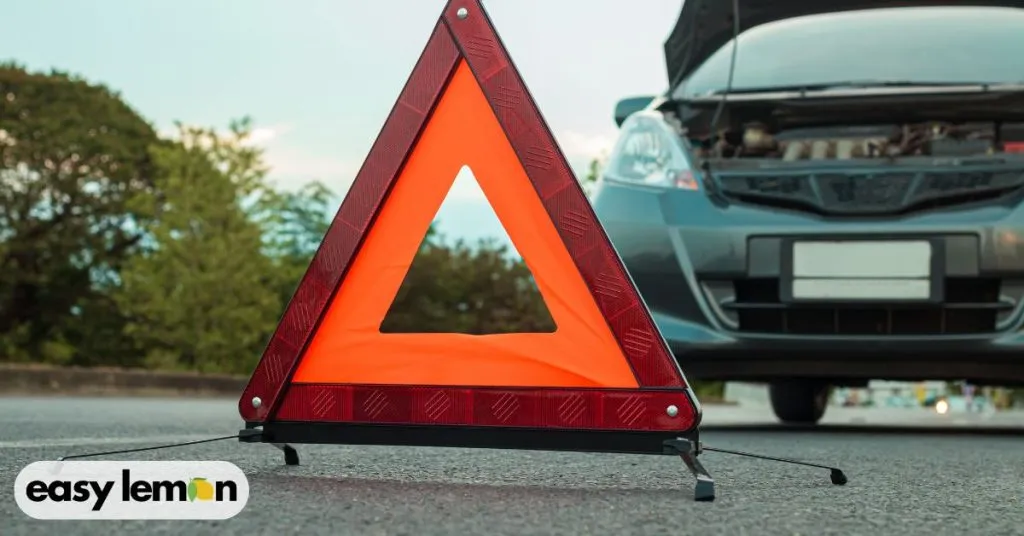
You might think of a car as being bad if it has defects that make it unsafe to drive, unreliable, or unfit for its intended use.
Serious mechanical failures, undetected accident damage, or issues that affect critical systems such as brakes, engines, or transmissions usually mean a car is defective. Unlike normal wear and tear, these kinds of problems suggest there's an underlying problem that impacts safety and performance.
Common symptoms of a car that's having problems include repeated breakdowns, expensive recurring repairs, malfunctioning safety features such as airbags, or warning lights that stay on despite service.
Usually minor things like cosmetic damage or an unreliable radio won't make a car bad; however, major defects that pose a threat to your safety while driving are another story. Knowing the difference is important to figure out if you have a case for legal action or for consumer protection claims.
What Qualifies a Car as a Lemon?
To be considered a "lemon", a car must meet specific Lemon law qualifications. Basically, this means the vehicle has significant defects that impact safety, worth, or usability.
To qualify, the defect must persist despite multiple repair attempts by an authorized dealer or remain unresolved after a certain number of days out of service; usually 30 days or more during the warranty period.
Among the most frequent problems in lemon law cases that we see are engine and transmission failures as well as electronic and technological malfunctions. These recurring issues crop up no matter how many times dealerships attempt repairs.
Qualifications for lemon law differ by state but generally most lemon laws apply to new cars under manufacturer warranties. Some states also extend protections to used cars, as outlined in the state's buyer's guide.
If a used car dealership sold you a lemon, don't think you have no recourse; coverage typically turns on whether or not the original manufacturer warranty was still active when you purchased the car and not whether that car was brand new.
Essentially, a car isn't considered a lemon just because of minor or isolated problems. Rather, it must have problems such as frame damage or major mechanical issues that the manufacturer or dealer does not fix within legal time limits.
Qualifying for Lemon Law means owners have rights to remedies which can include getting a replacement car, full refunds, or cash compensation under that law.
How to Prove the Car Was Sold Defectively?
Showing that a used car was sold defective starts by collecting strong evidence. Service records, invoices for service performed and vehicle history reports can show recurring problems or those which weren't previously disclosed.
Having a trusted mechanic perform an inspection is also critical, as their expert findings can confirm hidden problems and support your claim.
Statements from former owners as well as seller responses to your questions about the vehicle can also strengthen your case further. Testimonies of this kind can serve as reasonable proof that the defect was known beforehand or should have been disclosed prior to selling the vehicle.
It's also important to show that there were problems with the vehicle prior to purchase. Documents like pre-sale ads, messages from the seller or inspection reports can show that the issue wasn't caused by your use of the car.
By connecting the defect to the time of purchase, you improve your chances of proving misrepresentation and pursuing legal remedies.
How a Lemon Law Lawyer Can Help
If you are struggling with a defective car, hiring a Lemon law lawyer can make the process much easier. A skilled attorney can quickly determine if your vehicle meets Lemon law qualifications and explain your rights and lay out your options. If you believe you might need a Lemon law attorney, this step can give you clarity and peace of mind.
Legal counsel like the attorneys at Easy Lemon can directly negotiate with dealers or manufacturers on your behalf preventing unfair treatment and saving you the stress of dealing with pushback.
Most of our customers come to us after having taken their car in for repairs at least four times already, so if this sounds familiar to you, you're not alone.
Our attorneys work to secure a resolution grounded in the statute, which may include full refunds, replacement cars, or settlements through the Lemon Law.
If negotiations don't succeed then you can hire a lemon law lawyer who will represent you either in state or federal court. They will handle everything for you like filing paperwork, meeting deadlines and showing up to court proceedings.
Often, you don't have to pay anything yourself because the manufacturer might end up paying your lawyer. That makes seeking legal help practical and affordable.
What Resolution Has Looked Like
Four files, four different endings, so you can see the shapes described above in practice.
- $144,550. Porsche Macan, Illinois. Suspension, drivetrain, electrical, and HVAC defects. Manufacturer repurchase.
- $86,294. 2025 GMC Yukon, Indiana. Engine failure at 1,223 miles, repair open-ended with no timeline. Buyback.
- $49,926. Chevrolet Traverse, Illinois. Electrical and drivetrain defects. Manufacturer repurchase.
- $17,000. 2023 Alfa Romeo Stelvio, Illinois. Cash-and-keep. The client kept the car.
Results may vary. Prior outcomes do not guarantee a similar result. Each case is unique and depends on its specific facts and applicable law. Attorney advertising. Easy Lemon® by RockPoint Law P.C.
Our recent settlements page lists more of them.
Sold a Bad Car? Take Action and Protect Your Rights
If you find out you bought a car that's defective, it's really important to act fast. It helps to write down any problems and get in touch with the seller, and also understand what rights you have under consumer protection law and lemon laws. This way, you stand a better chance of getting a refund or replacement or compensation.
Delaying action can make it harder to prove your case and may even cause you to miss important legal deadlines.
Getting prompt help from a seasoned lawyer is usually a good idea. An experienced lawyer can explain your rights and negotiate directly with sellers or manufacturers for you. They also work to protect you from unfair treatment.
The sooner you involve a lawyer, the greater your chances of achieving a fair resolution, recovering your losses, and reducing financial and emotional stress.
At Easy Lemon, we focus on Lemon Law cases. Our lawyers deal with these matters daily. You can take a look at recent settlements yourself if you like.
Our team has resolved claims for consumers nationwide, recovering more than $50 million** in compensation for defective vehicles — including Chevrolet, Hyundai, Kia, Ram, Ford, Nissan, and Jeep models.
Regardless of whether you're seeking a refund, replacement vehicle, or a lemon law settlement, we can help you safeguard your rights. Contact us right now for a free consultation so we can help you pursue what you are owed.
FAQs
If you recently learned that the vehicle you bought has serious problems, you are not alone; many buyers face this frustrating situation. Below are some answers to frequently asked questions about your legal recourse and what you can do and expect if someone sold you a bad used car.
How Can I Get a Refund or Compensation for a Bad Car Purchase?
You may be able to get a refund or compensation for a bad used car purchase by using state Lemon laws, warranty protections, or filing a consumer complaint with agencies such as the FTC or your state attorney general.
If those options don't resolve the issue, consulting an attorney can help you explore legal remedies or potential compensation.
Does the Lemon Law Apply to Private Sales of Cars?
In most states lemon laws don't apply to private sales of cars. Instead, they usually cover cars sold or leased through dealerships with a manufacturer's warranty still in effect.
When people buy cars privately, they usually take them "as is" and so accept most of the risks unless the seller has lied about the car or engaged in fraudulent behavior.
Is It Illegal to Sell a Car With Known Issues?
Yes, selling a car that has known problems can be illegal if sellers hide or lie about these defects; this may amount to fraud. Generally speaking, sellers are supposed to disclose important known issues especially those that impact safety or operation of the vehicle.
Is It Illegal to Sell a Car Without Disclosing Known Problems?
Yes, it is illegal to sell a car without disclosing known problems, as doing so may be considered misrepresentation or fraud. Failing to disclose defects can expose the seller to legal liability and potential lawsuits from the buyer.
Can You Sue Someone for Selling a Defective Car?
Yes, you can sue someone for selling a defective car if they failed to disclose known issues or misrepresented the vehicle's condition. Legal remedies may include compensation for repairs, rescission of the sale, or other remedies, depending on state laws and the specifics of the case.
Is It Illegal to Sell a Car That Has Been in an Accident?
Selling a vehicle that has been in an accident is not illegal by itself, but failing to disclose the accident history when required by law can be unlawful. Sellers must provide accurate information, and intentional misrepresentation could lead to legal liability for fraud.
Can I Sue if I Bought a Car As Is?
Yes, if you bought a car as is and the seller lied, misrepresented something or hid major known problems, then you are still able to pursue legal action. However, without such misconduct, "as is" sales generally limit your ability to pursue compensation.
What Our Clients Say
Read More Relevant Blogs

Washington Lemon Law Attorney Fees: Who Pays?
In Washington, manufacturers pay legal fees for consumers under two circumstances, and these fees don't involve any fraction...
Read Full Post →
Colorado Lemon Law Attorney Fees: Who Pays?
Colorado has some unique rules when it comes to costs and fees compared to other states. Under Colorado...
Read Full Post →
Georgia Lemon Law Attorney Fees: Who Pays?
In Georgia, whether the manufacturer pays your attorney fees is a decision the arbitrator makes, not an automatic...
Read Full Post →Resolving Your Lemon Law
Case Has Never Been Easier
Our experienced attorneys handle everything — from paperwork to manufacturer negotiations. You focus on your life, we'll get you results.