








Is There a Lemon Law on Travel Trailers?


Short Answer
Travel trailers are covered by lemon law in some states but not all, and which rule applies depends on where you bought it.
Some states cover every type of travel trailer, others protect only motorized RVs, and a few exclude towable trailers entirely. A common qualifying standard is three or four repair attempts for the same issue, or 30 or more days out of service. Warranty and consumer protection claims remain options where the state statute does not reach.
Reviewed by Steven Nassi, Lemon Law Attorney · Easy Lemon
Nothing ruins a road trip faster than a trailer that just keeps on breaking down. Electrical problems, leaky pipes and structural flaws can transform what should be a blissful vacation into an anxious nightmare.
Lemon Law exists to protect consumers against defective vehicles and misleading practices by manufacturers. It's very important that you know what rights you have under this law if you've bought a travel trailer from a manufacturer or dealer and feel you've been wronged.
Whether travel trailers are covered by Lemon Law depends on the specific laws of your state. Some states have broad coverage for travel trailers through the Lemon Law; others only safeguard motorized recreational vehicles (RVs) and some don't cover towable trailers at all.
Even if your trailer isn't covered under lemon law, you may still have other legal avenues through warranties or consumer protection claims. The important thing is understanding which applies to your specific case and then taking appropriate steps to secure whatever remedy the law allows.
At Easy Lemon we can help you fight back against manufacturers that fail to fix your defective travel trailer. We offer extensive Lemon Law attorney services that extend to travel trailers.
Whether your travel trailer is covered under Lemon Law or you need to explore other legal options, you don't have to go through this alone. Contact us today for a free case evaluation.
In this post we will discuss how lemon laws pertain to travel trailers: which states provide Lemon law protections for these trailers, how you can figure out whether your trailer is a lemon, and how to file a lemon law claim for defective travel trailers.
Do Lemon Laws Apply to Travel Trailers?
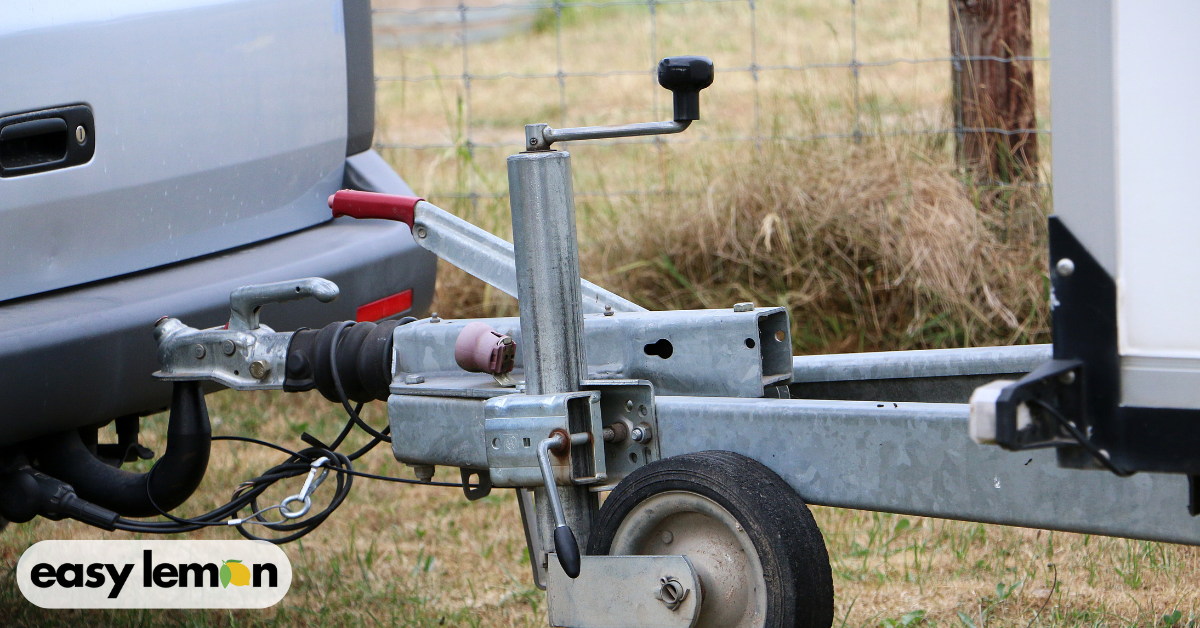
Lemon laws generally safeguard buyers against receiving vehicles that are defective. However, rules differ widely from one state to another for travel trailers. Some states clearly do include travel trailers under Lemon law protections but others completely exclude them.
If your state has coverage for travel trailers, the law may require manufacturers to fix, replace or reimburse for defective trailers that meet certain criteria. If your state does not cover travel trailers though, you may still have legal options through warranties or consumer protection laws.
Different types of trailers don't get treated the same under lemon laws. The main legal distinction is between motorhomes and towable trailers. Whether a trailer has an engine makes a big difference. Motorhomes, which can be classified as Class A, B or C RVs, are different because they are self powered; they work much like cars.
Because of that, they are more likely to be covered by lemon law provisions, but those protections might not apply to the living quarters of the RV itself; they might cover only the engine and drivetrain part.
Towable trailers such as fifth wheels, toy haulers, and pop up trailers are quite different. Because they do not have an engine and must be towed behind a car, some states don't classify them as "cars" under lemon law rules.
They might not be protected by lemon law even if there are big issues with them. But some states do have lemon laws that apply to trailers that you pull behind a vehicle. So you really should check what your specific state requires.
States with the Strongest Lemon Law Protections for RVs and Travel Trailers
Coverage varies sharply from state to state, and the split usually happens inside the definition of "motor vehicle" rather than in a separate RV section.
Some laws cover the chassis and drivetrain but leave things like living quarters to warranties. Other laws don't even touch towable units at all. That means that for specific trailers, the correct answer will be the actual wording of the statute in the relevant state law, not some general rule of thumb.
Since every state's laws are different, the best way to know your rights is to check your local Lemon law statutes or talk to a Lemon law attorney who focuses on travel trailers.
If your state doesn't include travel trailers under lemon laws, don't worry, there are still other ways to get compensated for a defective trailer.
The Federal Lemon Law, also known as the Magnuson-Moss Warranty Act, can cover your lemon trailer if your state law doesn't cover it as long as the manufacturer or dealer made clear guarantees in the warranty.
How to Determine if Your Travel Trailer Qualifies Under Lemon Laws

If your travel trailer is constantly breaking down, you might have a case under your state's Lemon law, if your state covers trailers.
Typically for something to qualify as a lemon, the trailer has to have significant problems that affect how it's used, its worth, or its safety, and the manufacturer must have had a reasonable opportunity to fix those problems.
A common rule is that the trailer must have been in the shop multiple times for the same issue, usually three or four repair attempts, or out of service for 30 or more days due to repairs. Safety-related defects, like faulty brakes, electrical failures, or propane leaks, may qualify for Lemon law help faster.
It's also very important to know who is responsible for fixing the trailer. Usually the manufacturer handles warranty repairs and not the dealer that sold you the RV with a defect. If the manufacturer won't fix something wrong, then you can look into Lemon law protections if available in your state.
How to File a Lemon Law Claim for a Travel Trailer
To get compensation for your defective travel trailer, you'll need to follow the right steps. Filing a Lemon law claim involves documenting the issues first, giving the manufacturer a chance to fix them, and taking legal action if necessary. Here's how to handle the Lemon law process and protect your rights:
1. Keep Detailed Records of the Issues
Before you can file a claim, you need proof. Keep a record of every defect, repair attempt, and conversation with the dealer or manufacturer.
Keep track of repair invoices, work orders and emails that detail the issues and steps taken to resolve them. Also make sure to document how these defects affect how you use the trailer, its value or safety.
If a water leak causes mold or an electrical failure makes traveling unsafe, take photos and videos along with anything else that makes your claim clearer. The more evidence you have, the stronger your claim.
2. Give the Manufacturer a Reasonable Number of Repair Attempts
Generally speaking, lemon laws give manufacturers an opportunity to fix the issue properly before you can pursue further steps. The number of repairs that are required varies by state but is typically three or four repairs for the same kind of problem.
If your trailer has been out of use for 30 days or longer because of repair issues, you might be able to call it a lemon. If dealers or manufacturers are being slow about fixing things, take action sooner rather than later and start looking into legal options that you have.
3. Notify the Manufacturer in Writing
After giving the manufacturer a chance to fix any problems, the next step would be sending them a formal complaint letter. This letter needs to contain a clear description of the problem along with an overview of your previous attempts at repairs. Also, in this letter, you should request either a refund or replacement.
Please make sure to include copies of supporting documents such as repair orders, receipts, and warranties. Also, some states have specific rules about sending this letter by certified mail; please check and comply with these rules.
4. File a Lemon Law Claim with the Manufacturer
In some states, you have to go through an arbitration program before you can actually file a Lemon law claim. Even if arbitration is not required, manufacturers generally have their own process for resolving disputes.
When you take this path, make sure you really understand what is going on and read through settlement offers very carefully before deciding. Sometimes manufacturers might offer something that looks good but really doesn't fully compensate for your losses. So do not just rush into a decision.
5. Consult a Lemon Law Attorney if Necessary
If the manufacturer refuses to cooperate or offers an unfair settlement, it's time to bring in a professional. A Lemon law attorney can negotiate a better deal, take legal action, and help you get the remedy the statute provides.
The good news is that many attorneys offer free consultations and work on a contingency basis, meaning you don't pay unless they win your case.
At Easy Lemon, our experienced and dedicated Lemon law attorneys have helped travel trailer owners like you gain their rights under lemon law. Schedule a free consultation with us today and let us help you get the remedy the statute provides.
What if My State Doesn't Cover Travel Trailers Under Lemon Laws?

If your state's Lemon law doesn't apply to travel trailers, don't panic; there are still other ways to get help. Most manufacturers provide warranty coverage, and if they refuse to honor it, you may have a case under the Magnuson-Moss Warranty Act.
This federal law protects consumers from warranty breaches. This law applies to all consumer product written warranties including motor vehicle and RV/ motorhomes warranties.
Basically, if an RV manufacturer does not meet their written warranty and can't fix a defect after a reasonable number of attempts, then the RV owner may be able to file a Lemon law claim against the manufacturer.
You may also have legal options under general consumer protection laws. Especially if the manufacturer or dealer did not disclose important defects about the trailer, you might bring claims for breach of contract or fraud.
It's in your best interest to talk with a seasoned lemon lawyer. They can help you look into options and also help you make smart decisions.
Can I Get a Replacement or Refund for My Defective Travel Trailer?
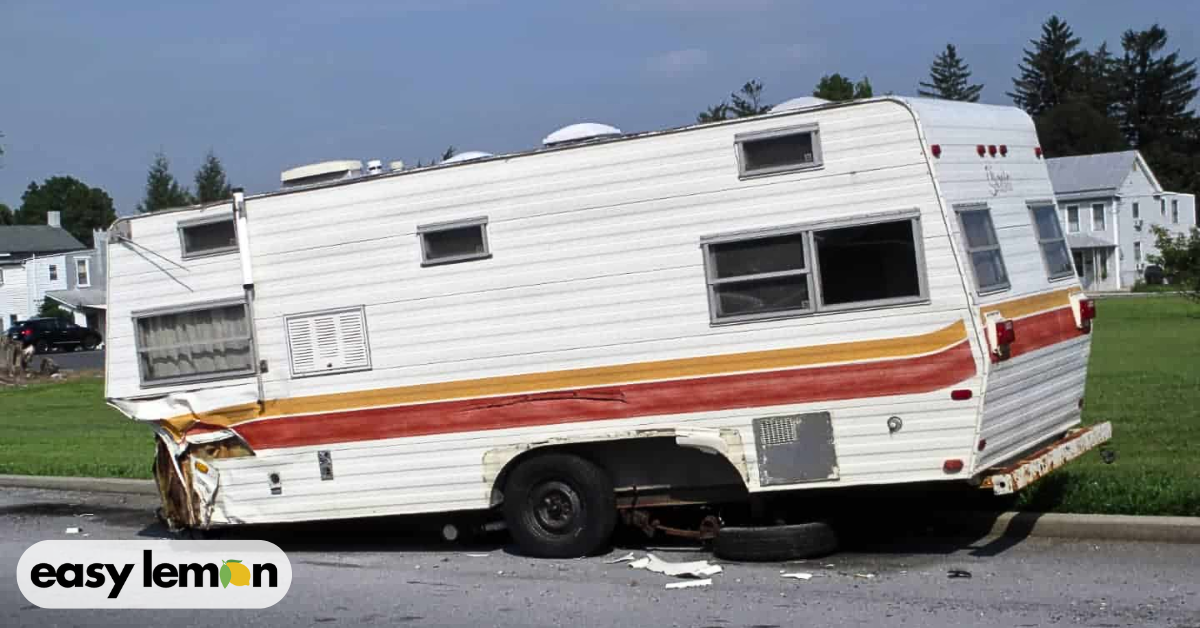
The kind of compensation you might get depends on your state's lemon laws, the manufacturer's policies, and federal laws. For a defective travel trailer, there are options like replacement, refund, or cash settlement.
Replacement Option
If you still want a working travel trailer, a replacement may be the best solution. In this case, the manufacturer will provide you with a new unit that is either identical or comparable to what you had before.
If you're okay with the brand and just want a trailer that works properly, this is a sensible choice. Just be aware that the manufacturer may deduct a reasonable usage fee if you file a claim after using the defective trailer for some time.
Refund Option
Consumers usually prefer refunds when they really want to cut ties with a defective trailer fully. A typical full refund covers the cost of the item itself, taxes, registration fees and other costs directly tied to the sale.
Manufacturers may deduct some sort of fee if you use a trailer for a certain period. If you get tired of problems and don't want to deal anymore with that particular manufacturer or model, a refund tends to be a clean and straightforward solution.
Cash Settlement
Sometimes manufacturers will offer a cash settlement rather than full refunds or replacements. They might give you some money back as reimbursement for the cost of repairs rather than actually taking back the trailer.
A cash settlement can be a good choice if you're willing to keep the trailer despite its issues or if the defects don't affect its use. But remember that not every settlement is going to be fair; some manufacturers try to underpay customers just to avoid having to pay out more money.
Before accepting a settlement, it's wise to consult a Lemon law attorney to make sure you're getting a fair deal.
Why do most lemon laws leave towable trailers out?
It depends on how statutes define what constitutes a motor vehicle and often towable trailers just don't fit into that definition based solely on the wording used.
Idaho excludes them by name: Idaho Code 48-901(7) removes trailers, as defined at Idaho Code 49-121, along with motorcycles, farm tractors and anything over 12,000 pounds gross laden weight. Alaska gets to the same place a different way.
According to AS 45.45.360(6), a motor vehicle is defined as a land vehicle with four or more wheels that is self propelled and must be registered under AS 28.10; therefore something that needs to be hauled or towed does not qualify.
Weight thresholds knock out a lot of larger units as well. Alabama excludes motor homes outright and vehicles with a gross vehicle weight rating of 10,000 pounds or more according to Ala. Code 8-20A-1(2). Louisiana also bars vehicles that weigh 10,000 pounds or more GVW and those used exclusively for commercial purposes according to R.S. 51:1941(6).
Which states do reach recreational vehicles?
Two of the offset formulas give this away. Florida's use-allowance divisor is 120,000 miles for an ordinary vehicle, but Fla. Stat. 681.102(19) sets a separate divisor of 60,000 for recreational vehicles, which only makes sense because the Florida statute reaches them.
Washington does something similar at RCW 19.118.041(1)(c), where the standard divisor of 120,000 drops to 90,000 for motor homes and 25,000 for motorcycles.
Coverage varies greatly depending on where you live and different states have different rules about trailers. Some states treat the chassis and drivetrain separately from the living space in their statutes. Because definitions of what constitutes a motor vehicle vary from one state to another, there is no sure way to know the right coverage for a particular trailer unless you look at the specific statutes of that state.
What protects a travel trailer when the state lemon law does not?
The federal Magnuson-Moss Warranty Act, 15 U.S.C. 2301 and following, applies to consumer products sold with a written warranty, and it is not limited to self-propelled vehicles. A number of its provisions really help trailer owners.
15 U.S.C. 2308(a) blocks a manufacturer from disclaiming implied warranties where it has issued any written warranty, or where a service contract is sold at the time of sale or within 90 days of it.
Under Section 2308(b), warranties that are implied can have their duration limited but only if this limitation is conscionable, clear and conspicuous. And Section 2308(c) also renders any disclaimer that contravenes that provision unenforceable under state law.
On remedies, 15 U.S.C. 2310(d)(1)(A) allows a claim in any state court of competent jurisdiction, and 2310(d)(2) allows an award of attorney fees based on actual time expended.
The $50,000 amount-in-controversy floor at 2310(d)(3)(B) applies only in federal district courts and does not apply in state courts; this distinction is important to bear in mind when deciding which court to use.
One prerequisite: 2310(a)(3) requires a consumer to complete a qualifying informal dispute settlement procedure first where the written warranty requires it.
Need a Lemon Law Attorney for Your Travel Trailer?
If your travel trailer is constantly breaking down and you're wondering if lemon law will help, that depends on where you live. Some states do protect travel trailers under lemon laws but others only cover motorized RVs or don't cover them at all.
Even if your trailer isn't covered, you may still have options through warranty laws or consumer protection claims. You need to understand your rights so that you don't get cheated by the manufacturer in the process of getting compensation.
A Lemon law attorney by your side and make a lot of difference because they're experienced with both state and federal lemon law and will get you the remedy the statute provides.
At Easy Lemon, we know Lemon Law well, and we're here to help you through every step of the way. Contact us today for a free consultation and let us help you reclaim your rights under Lemon Law.
What Our Clients Say
Read More Relevant Blogs

Washington Lemon Law Attorney Fees: Who Pays?
In Washington, manufacturers pay legal fees for consumers under two circumstances, and these fees don't involve any fraction...
Read Full Post →
Colorado Lemon Law Attorney Fees: Who Pays?
Colorado has some unique rules when it comes to costs and fees compared to other states. Under Colorado...
Read Full Post →
Georgia Lemon Law Attorney Fees: Who Pays?
In Georgia, whether the manufacturer pays your attorney fees is a decision the arbitrator makes, not an automatic...
Read Full Post →Resolving Your Lemon Law
Case Has Never Been Easier
Our experienced attorneys handle everything — from paperwork to manufacturer negotiations. You focus on your life, we'll get you results.