








Common Problems With Ford Mustang Ecoboost


Common issues with the Ford Mustang EcoBoost include coolant intrusion, turbo failure, carbon buildup, and transmission problems, especially for owners using the car as a daily driver or putting extra weight on the engine through aggressive driving or modifications.
Many drivers contact dealerships multiple times, only to receive temporary fixes before the same problems return.
While the Mustang’s exterior styling is a big draw, some owners understand that reliability can become limited over time. To ensure your rights are protected, keep every repair file in hand and document all common issues carefully.
At Easy Lemon, we make the Lemon Law simple, accessible, and actionable for you. Our legal team has helped vehicle owners work through ongoing vehicle issues. Schedule a free case evaluation today.
This piece walks through what fails on the EcoBoost Mustang, how to manage the known issues, and when a recurring defect crosses from owning a turbocharged car into lemon law territory.
What Are Common Problems with the Ford Mustang Ecoboost?
The 2.3L Ford Mustang EcoBoost has developed a fairly predictable list of common problems since its 2015 debut, especially on cars driven hard or modified beyond what the factory setup was expected to handle.
The biggest concern with pre-2020 models is coolant intrusion, often called EcoBoom in the Mustang community. This is a situation where coolant leaks into the cylinders, causing rough running, white exhaust smoke, and, in some cases, complete engine failure if owners keep driving the car as if nothing is wrong.
Another major complaint is the factory intercooler, which many owners consider inadequate for aggressive driving because it struggles with heat soak after a few hard pulls or spirited runs out of the park.
As intake temperatures climb, the electronic control unit (ECU) cuts power to protect the engine, leaving the car feeling noticeably slower until everything cools back down, which is why front-mount intercooler (FMIC) upgrades have become almost standard for EcoBoost owners.
Other recurring issues include carbon buildup from the direct injection system, rough shifting in the 10-speed automatic transmission, low-side fuel pressure sensor failures, battery drain, infotainment glitches, and interior rattles around the doors and dashboard panels.
Ford improved the engine block design for 2020 and newer models, which helped reduce EcoBoom failures, but many of the other complaints still show up across forums and enthusiast website discussions today.
If Ford has repeatedly attempted repairs without fixing the underlying issue, especially on a newer vehicle still under warranty, the problem may go beyond normal wear and could support a Ford lemon law claim or buyback case.
As an illustrative example, an EcoBoost owner might bring a 2019 Mustang to the dealership multiple times for coolant loss, overheating, and rough startup conditions.
The dealer might initially replace smaller cooling-system components, only for the problems to keep returning until the engine eventually suffers major internal damage tied to coolant intrusion.
By the time an owner in that position contacts a lemon law attorney, the vehicle may already have spent weeks in the shop across several repair visits, which is exactly the type of recurring defect pattern that can support a lemon law claim in many states.
That said, not every pre-2020 EcoBoost experiences coolant intrusion or catastrophic engine failure. In our experience, factors like maintenance history, tuning, driving habits, cooling-system upkeep, and how quickly early symptoms are addressed can significantly influence long-term reliability.
How Do Engine Problems Affect Performance?
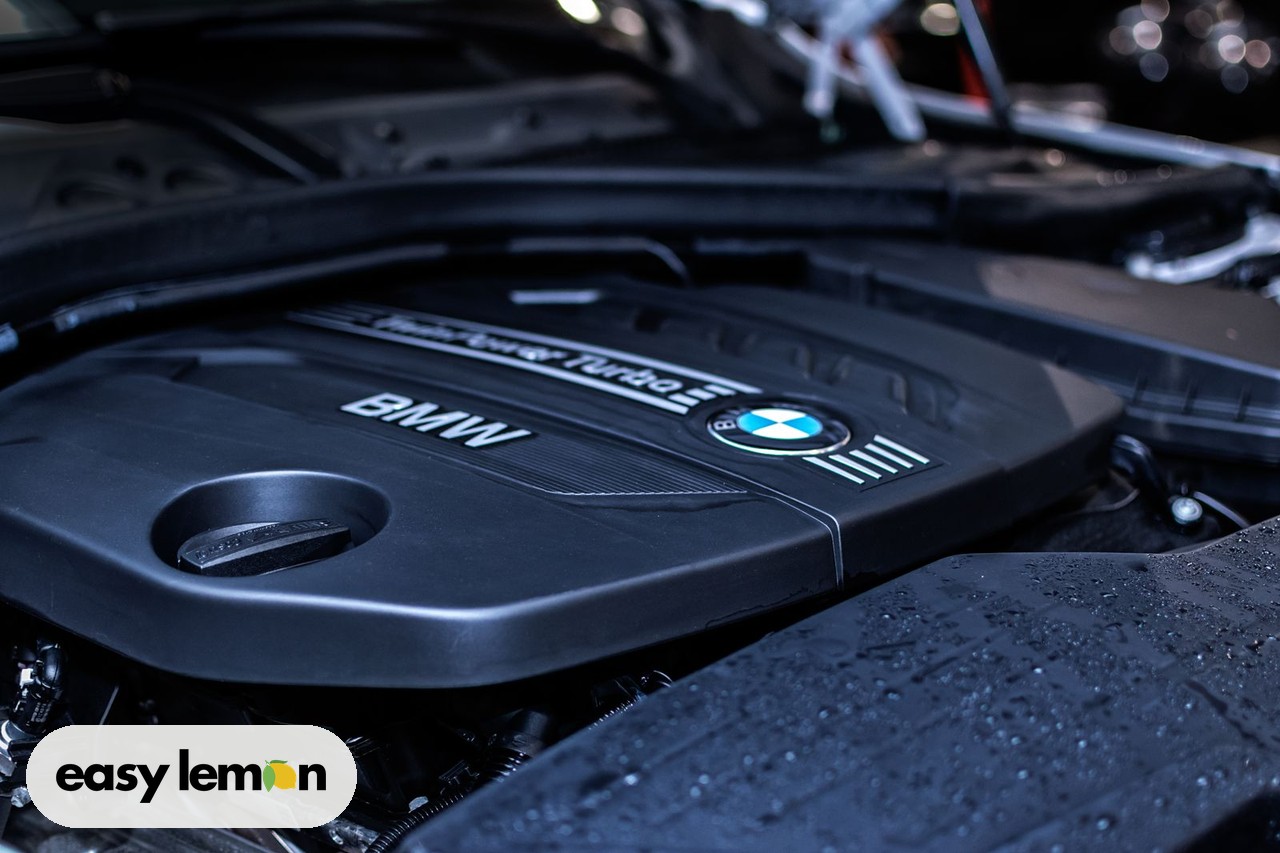
Engine problems in the Ford Mustang EcoBoost usually become noticeable pretty quickly because they directly affect how the car drives, accelerates, and responds under load.
One of the most common complaints is reduced acceleration caused by heat soak, where the factory intercooler struggles to keep intake temperatures down during aggressive driving or hot weather.
As temperatures rise, the ECU pulls timing to protect the engine, leaving the car feeling sluggish during acceleration, highway pulls, or even normal stoplight driving. Fuel system issues can create similar performance problems.
A failing high-pressure fuel pump or low-side fuel pressure sensor may cause hesitation, sudden power loss, rough running, or even stalling in traffic.
Many owners also notice worsening fuel economy over time due to carbon buildup on the intake valves, which can lead to misfires and reduced combustion efficiency.
According to the National Highway Traffic Safety Administration (NHTSA), Ford Mustang model years show hundreds of owner-submitted complaints across the 2015–2017 model years, with engine, transmission, and cooling system issues consistently ranking among the most reported categories.
Overheating is another serious concern, especially on vehicles dealing with coolant leaks, failing water pumps, or cooling systems pushed beyond their limits. Drivers often report rising engine temperatures, coolant smells from the engine bay, or repeated warning lights before more severe damage occurs.
In more serious cases, continued overheating or coolant intrusion can lead to catastrophic engine failure, commonly referred to by owners as EcoBoom.
When these issues keep returning despite multiple repair attempts, especially during the warranty period, the problem may point to something more serious than ordinary wear and tear and could potentially support a Ford lemon law claim.
At the same time, not every EcoBoost Mustang develops serious problems. Many owners drive these vehicles for years without major failures, especially when maintenance is performed consistently and issues are addressed early.
Reliability often depends on driving habits, maintenance history, modification levels, and how quickly developing problems are diagnosed.

What Are Electrical Issues in Ecoboost Models?
Electrical issues in the Ford Mustang EcoBoost usually fall into three main categories: faulty sensors, battery drain, and infotainment system problems.
One of the most common failures involves the low-side fuel pressure sensor, though owners also report problems with mass airflow sensors, O2 sensors, and turbo boost pressure sensors.
When a sensor starts sending inaccurate data, the car may hesitate, lose power, or feel inconsistent during acceleration, even when no obvious warning light kicks on.
Battery drain is another frequent complaint across modern Mustang models, especially when the vehicle sits unused for a few days.
Owners often report the battery dying after a long weekend, even in warm weather, because certain electrical modules fail to fully shut down and continue drawing power after the car is parked. In other cases, aftermarket electronics or aging batteries contribute to the problem.
The SYNC infotainment system has also generated a steady stream of complaints from EcoBoost owners. Drivers report freezing screens, random reboots, dropped Bluetooth connections, and backup camera glitches that continue even after software updates.
When repeated dealer visits fail to permanently resolve the issue, replacement of the head unit is sometimes necessary, and ongoing infotainment failures can potentially support a lemon law claim when they affect important safety features.
The 10-speed automatic on EcoBoost cars from 2018 forward has its own well-documented set of complaints. Check out our breakdown of Jeep Compass transmission problems for a parallel example of repeat transmission repair attempts. Many of the same software and valve body fixes apply.
The 3-Step EcoBoost Problem Prevention Framework
In our experience, owners who avoid the most expensive EcoBoost failures usually follow a simple three-step approach.
They consistently stay ahead of small warning signs instead of waiting for a breakdown, they maintain a disciplined preventative maintenance routine tailored to turbocharged engines, and they keep thorough documentation of every service and repair visit so patterns can be identified early and escalated if needed.
The key idea is that most major EcoBoost issues don’t appear suddenly. They develop gradually through small symptoms like slight coolant loss, early-stage carbon buildup, intermittent misfires, or subtle transmission hesitation.
Owners who treat those early signs seriously tend to prevent the kinds of cascading failures that lead to overheating, turbo damage, or long shop stays.
- Catch Problems Early: Pay attention to coolant loss, rough shifting, hesitation, grinding noises, or unusual turbo sounds before they become major repairs.
- Stay Ahead on Preventative Maintenance: Frequent synthetic oil changes, premium fuel, updated software, and carbon buildup prevention all help reduce long-term stress on the engine and transmission.
- Document Every Repair Visit: Keep copies of every repair order, diagnostic invoice, and dealership communication in case recurring problems eventually qualify for warranty escalation or lemon law protection.

How Can Owners Address These Challenges?
Most recurring EcoBoost problems have known solutions, and the best way to keep the car reliable is to address issues early before they turn into larger, and far more expensive, repairs.
Stay ahead on maintenance, especially oil changes. We typically recommend full-synthetic oil changes every 5,000 miles rather than stretching intervals too far.
While Ford’s factory schedule may work for naturally aspirated engines, turbocharged EcoBoost motors operate under higher heat and pressure. Shorter oil intervals help protect turbo bearings, reduce carbon buildup, and lower the risk of premature engine wear.
Waiting too long between services can turn a minor issue into a stretch of costly, unexpected breakdowns and repair bills.
Use quality replacement parts whenever repairs are needed. OE coolant, OE-spec ignition coils, thermostats, and spark plugs matter on a turbocharged platform.
Trusted brands like Motorcraft, NGK, Denso, and ACDelco generally perform far better than low-cost aftermarket alternatives. Saving money on cheap ignition or cooling components often leads to repeat failures, drivability issues, or even major engine damage later.
Pay attention to early warning signs. An intermittent check engine light, rough idle, hesitation under acceleration, unusual turbo noises, overheating, or hard shifting are all symptoms worth investigating immediately.
EcoBoost problems often start subtly before becoming serious. Catching them early can prevent additional damage and strengthen documentation if repairs continue unsuccessfully.
Many owners also address known weak points with preventative upgrades. Oil catch cans can help reduce carbon buildup on intake valves, upgraded intercoolers help combat heat soak, and premium 91 or 93 octane fuel can reduce the likelihood of engine knock while improving overall performance.
For drivers who push the vehicle harder than average, these upgrades are often practical reliability improvements rather than cosmetic modifications.
Owners should also understand what protections may exist under warranty and state lemon laws. Ford’s standard factory coverage typically includes a 3-year/36,000-mile bumper-to-bumper warranty and a 5-year/60,000-mile powertrain warranty.
If a serious defect repeatedly returns despite multiple repair attempts, the vehicle may qualify under lemon law protections.
In many states, lemon laws cover substantial defects that impair the vehicle’s use, value, or safety. Common examples can include persistent engine misfires, transmission failures, coolant intrusion, electrical malfunctions, stalling, overheating, turbocharger defects, or recurring check engine light issues that dealers cannot properly repair within a reasonable number of attempts.
What Are the Benefits of Addressing These Problems Early?
Catching EcoBoost problems early instead of continuing to drive with developing symptoms can save owners significant money, stress, and downtime. On turbocharged engines, especially, small issues rarely stay small for long.
One of the biggest benefits is increased vehicle lifespan. A turbocharger that fails because the engine operated on degraded oil for too long can easily cost thousands to replace, while the preventative oil change that may have avoided the failure costs comparatively little.
The same principle applies to coolant intrusion concerns on earlier EcoBoost models. A slight and seemingly harmless coolant loss may not look serious at first, but ignoring it can eventually lead to catastrophic engine failure.
These engines were intended to deliver strong performance and long-term reliability, but only when developing problems are addressed before they escalate.
Early repairs also lead to major cost savings. Turbocharged systems operate under high heat and pressure, meaning one weak component often places additional strain on surrounding parts.
For example, a failing fuel pressure sensor can cause improper air-fuel ratios that eventually damage pistons or bearings. A leaking intercooler hose can force the turbocharger to work harder to maintain boost pressure, accelerating wear and increasing the likelihood of premature failure.
There is a reason experienced EcoBoost owners tend to investigate unusual behavior quickly rather than waiting for a complete breakdown.
Another important benefit is enhanced safety. A vehicle that stalls unexpectedly in traffic, overheats on the highway, or experiences repeated electrical malfunctions can create dangerous driving conditions.
Modern vehicles also rely heavily on technology systems like backup cameras, sensors, and infotainment controls that may qualify as safety-related defects when they fail repeatedly. Addressing these problems early helps protect drivers, passengers, and others on the road.
When serious defects continue despite multiple repair attempts, owners may also have legal protections available under state lemon laws.
Persistent engine failures, overheating, transmission defects, stalling, electrical malfunctions, or recurring warning lights can sometimes qualify when they substantially impair the vehicle’s use, value, or safety. A comparable example involving repeated safety-related defects can be found in Ram 1500 Problems Lemon Law.
What are Common Mistakes EcoBoost Owners Make?
One of the most common mistakes we see is owners continuing to drive with coolant loss, rough shifting, overheating, or intermittent warning lights because the symptoms temporarily disappear.
Another frequent issue is failing to keep repair records, which can become a major problem if the vehicle later qualifies for warranty escalation or a lemon law claim.
We also commonly see owners install aggressive performance tunes for fun before addressing maintenance issues like worn spark plugs, failing ignition coils, or carbon buildup. In many cases, modifications end up amplifying existing problems rather than improving performance safely.
What Expert Tips Can Help Maximize Performance?
In our experience, the 2.3L EcoBoost Ford Mustang performs best when owners stay proactive with maintenance instead of waiting for small problems to become major repairs.
We advise full-synthetic oil changes every 5,000 miles, since turbocharged engines place far more stress on oil and internal components than naturally aspirated motors. Shorter oil intervals can improve turbo longevity and may help reduce excessive oil consumption issues reported in some EcoBoost models.
We also recommend keeping Ford’s software updates current. Some Mustang EcoBoost models equipped with the 10-speed automatic transmission have been reported to experience hard shifting, slipping, hesitation, or rough gear changes during acceleration.
Ford has released multiple calibration updates to address these drivability concerns. Even if owners are told there are no available updates, it is often worth asking the dealership to verify against Ford’s latest service databases.
Another habit we strongly advise is checking tire pressure weekly and paying attention to changes in vehicle behavior. Grinding noises, overheating, hesitation, coolant loss, suspension issues, or rough shifting should never be ignored.
Some EcoBoost Mustangs have experienced overheating problems tied to coolant leaks, failing water pumps, or inadequate cooling capacity under demanding driving conditions. In our experience, catching these warning signs early can save owners a bad week of unexpected breakdowns and expensive repairs.
Fuel quality matters as well. We generally recommend using 91 or 93-octane fuel for better performance and knock protection. Running lower-octane fuel can cause the ECU to pull timing, reducing horsepower and efficiency.
For drivers who regularly push the car harder on the track, premium fuel becomes even more important under higher engine loads and temperatures.
Since the EcoBoost engine uses direct fuel injection, carbon buildup on intake valves can develop over time and lead to reduced performance or misfires. Installing an oil catch can is a common preventative upgrade that many owners use to help reduce carbon accumulation and maintain smoother engine operation.
Finally, keep every repair order, service invoice, and dealership communication. Strong documentation becomes the icing on the cake if recurring defects later require warranty escalation or a lemon law claim, especially when repeated repair attempts fail to resolve ongoing mechanical or safety-related issues. For leased EcoBoost Mustangs, lemon law claims can involve different rules than owned vehicles.
What Are the Next Steps for Ecoboost Owners?
If you’ve noticed problems with your EcoBoost Mustang, including power loss, stalling, coolant loss, grinding noises, overheating, rough shifting, or unusual engine sounds, the best approach is to act early before the issue becomes more serious.
We generally advise starting with a professional diagnostic test, either through a Ford dealership or an independent repair shop familiar with EcoBoost platforms.
A proper diagnostic should include live-data scanning rather than only checking stored fault codes, since many EcoBoost problems appear intermittently and may not immediately trigger a warning light.
In our experience, consulting a mechanic who regularly works on turbocharged Ford platforms can make a major difference. The 2.3L EcoBoost engine has several well-known quirks involving coolant intrusion, carbon buildup, excessive oil consumption, and transmission drivability concerns that less experienced shops may overlook.
Owners should also review any remaining factory warranty coverage and explore potential lemon law protections if the vehicle has undergone multiple unsuccessful repair attempts.
We strongly advise documenting every repair visit, software update, inspection, and dealership communication, since a strong paper trail can become extremely important if the defect continues.
One of the biggest mistakes we see is owners continuing to drive the vehicle for months after repeated repair attempts fail. The longer recurring defects continue without proper documentation, the harder it can become to maximize a potential lemon law claim.
If the vehicle was recently purchased used and serious problems appeared shortly afterward, additional consumer protections may apply depending on state law and dealership policies.
We advise getting a case evaluation before warranty coverage runs out because most state lemon laws have a tight window tied to the manufacturer's warranty period.
Has Your Mustang EcoBoost Become a Lemon?
At Easy Lemon, we focus specifically on recurring vehicle defect cases involving repeated dealership repair attempts, unresolved warranty claims, and manufacturer buybacks.
Unlike general consumer-help websites, our team evaluates the actual repair history, warranty timeline, and defect pattern to determine whether a vehicle may qualify under state lemon laws.
Easy Lemon offers experienced representation to protect consumers from defective new and used vehicles. When the manufacturer fails to act on defects, you can find us on Google and contact us today for your free consultation.
Frequently Asked Questions
In the process of writing this blog, we came across some recurring questions around the Ford Mustang EcoBoost. We did our best to answer them.
How Do You Improve Fuel Efficiency in a Ford Mustang EcoBoost?
In our experience, the biggest fuel-efficiency gains come from staying consistent with maintenance, including clean air filters, properly inflated tires, fresh synthetic oil, and functioning oxygen sensors.
We also advise using 91 or 93-octane fuel and installing an oil catch can to help reduce carbon buildup that can hurt long-term engine performance and MPG.
What Are Common Performance Upgrades for the Ford Mustang EcoBoost?
The most common EcoBoost upgrades are an oil catch can, a front-mount intercooler (FMIC), and a performance tune, since each addresses a known weakness involving carbon buildup, heat soak, or throttle response.
Many owners also add upgraded intakes, aftermarket exhaust systems, and stronger fuel system components when targeting higher horsepower levels.
How Do You Troubleshoot an Engine Misfire in a Ford Mustang EcoBoost?
Start by scanning for fault codes, since the code usually identifies the affected cylinder and helps narrow the issue to the ignition coil, spark plug, fuel injector, or carbon buildup.
In our experience, if replacing the coil and plug does not resolve the misfire, the next step is checking compression and inspecting the intake valves for excessive carbon deposits.
Where Can You Buy Genuine Ford Parts?
OEM Ford parts purchased through a dealership are typically the most reliable option, although they are more expensive than online OEM retailers. We generally recommend trusted suppliers like Ford Parts, Tasca Parts, RockAuto, and Summit Racing for quality replacement parts such as brakes.
How Do You Prevent Turbo Lag in a Ford Mustang EcoBoost?
Turbo lag can often be reduced by keeping the engine above lower RPM ranges during acceleration and downshifting before demanding power. Performance tunes, upgraded intakes, and a properly functioning high-pressure fuel pump can also improve throttle response and help the turbo build boost more quickly.
Legal Disclaimer: The information above describes general patterns and is not legal advice for your situation. Lemon law remedies, warranty coverage, and qualifying criteria vary by state and by the specific facts of each case.
Past results do not guarantee future outcomes, and reading this article does not create an attorney-client relationship. Consult a licensed attorney to evaluate the facts of your case.
What Our Clients Say
Read More Relevant Blogs

Washington Lemon Law Attorney Fees: Who Pays?
In Washington, manufacturers pay legal fees for consumers under two circumstances, and these fees don't involve any fraction...
Read Full Post →
Colorado Lemon Law Attorney Fees: Who Pays?
Colorado has some unique rules when it comes to costs and fees compared to other states. Under Colorado...
Read Full Post →
Georgia Lemon Law Attorney Fees: Who Pays?
In Georgia, whether the manufacturer pays your attorney fees is a decision the arbitrator makes, not an automatic...
Read Full Post →Resolving Your Lemon Law
Case Has Never Been Easier
Our experienced attorneys handle everything — from paperwork to manufacturer negotiations. You focus on your life, we'll get you results.