







Do Dealerships Have To Fix Recalls Before Selling?
Short Answer
Whether a dealership has to fix a recall before selling depends on the vehicle. Federal law requires open safety recalls to be repaired before a new car is sold, but generally not before a used one is.
Rental companies running fleets of more than 35 vehicles also have to complete recall work before renting or selling. Most states put no disclosure duty on used car dealers, so check the VIN yourself before buying.
Reviewed by Natalie Nassi, Lemon Law Attorney · Easy Lemon
Buyers and dealers talk past each other on this question because the answer moves depending on which side of the desk you sit on. An open recall is common enough that treating it as a red flag on its own would rule out a lot of otherwise sound used cars.
What matters is whether anyone told you about it, whether the part exists yet, and what you put your signature on at the desk. Run the VIN yourself before you sign anything.
Easy Lemon is a law firm handling Lemon Law cases. Our team of Lemon Law attorneys can guide you through every step, from reviewing your purchase documents to pursuing your claim. Partner with us by booking a free case evaluation today.
This guide explains what dealerships are legally required to do when a vehicle is recalled, how they typically handle the process, and what buyers should know before completing a purchase.
What Is a Vehicle Recall?
A vehicle recall is the manufacturer's formal action to address a safety-related defect or a failure to meet federal motor vehicle safety standards.
The defect has to involve an unreasonable risk to drivers, passengers, or other road users, and the remedy has to be made available at no cost to the vehicle owner.
According to CARFAX, more than 58 million vehicles on U.S. roads carry at least one unrepaired safety recall as of early 2025, which means a recalled vehicle on a used-car lot is not the exception; it is the baseline.
The federal authority behind the system is the National Traffic and Motor Vehicle Safety Act, which gives the National Highway Traffic Safety Administration the power to require a recall when a vehicle or piece of motor vehicle equipment does not meet minimum safety standards.
Most recalls fall into one of a small number of categories. Faulty airbags, brake problems, defective fuel systems, ignition switches, seatbelt failures, and increasingly software flaws that affect braking or driver-assist features account for the largest campaigns.
The Takata airbag recall remains the largest and most complex example in U.S. history, linked to more than two dozen deaths and hundreds of injuries in the United States.
For any of these defects, the recall does the same thing: it triggers free repair at any franchised dealer for the vehicle's brand, regardless of how many owners the vehicle has had.

How Do Vehicle Recalls Affect Dealership Sales?
Recalls can directly affect a dealership’s ability to sell vehicles and maintain customer trust. Whether it’s a local independent lot or a major Ford dealer, an open recall changes the economics of a sale by affecting vehicle value, buyer confidence, and potential legal exposure.
The most immediate impact is on resale value. An open recall is a publicly documented defect that buyers, appraisers, and many dealerships routinely check during the sales process.
A slightly used car with an unresolved recall often commands a lower trade-in or resale price because the vehicle still requires repair, replacement parts, or additional inspection before it can be sold with confidence.
Buyer trust is equally important because when a salesperson verifies a vehicle’s recall status and explains what repairs have been completed, it reinforces confidence in both the vehicle and the dealership.
If a prior owner ignored a recall and the issue remains unresolved, buyers may question the vehicle’s maintenance history, reliability, and even its security and safety. In today’s market, many buyers expect dealerships to do more than the bare minimum before offering a vehicle for sale.
There is also a financial consideration. Every vehicle sitting on a lot waiting for a manufacturer-authorized technician to replace defective components represents delayed inventory turnover and reduced profit.
Dealers may have money tied up in vehicles that cannot be sold until repairs are completed or replacement parts become available.
Finally, unresolved recalls can create legal and reputational risks. If a dealership sells a vehicle with an open recall and the defect later contributes to a crash or injury, the dealership may face lawsuits alongside the manufacturer.
For that reason, many dealers have adopted internal processes to verify recall status before completing a sale, helping protect both customers and the dealership itself.
What Are Dealerships’ Legal Obligations Regarding Recalls?
Beyond the practical sales pressures described above, dealerships also face specific legal obligations when a vehicle on their lot carries an open recall.
Recalls can affect whether a car dealership is required to delay a sale. Under the National Traffic and Motor Vehicle Safety Act, it is illegal to sell a new vehicle with an open safety recall, and violations can result in substantial penalties.
Proposed legislation such as the Used Car Safety Recall Repair Act would extend similar requirements to used vehicles by requiring recalled vehicles to be repaired before sale.
A vehicle with unresolved recalls may raise questions about its maintenance history, warranty coverage, reliability, and overall condition. In our experience handling vehicle-defect and Lemon Law matters, disputes rarely begin because a recall exists.
They usually arise because the buyer did not know about the recall or believed the dealership had already addressed it.
For vehicle owners, the good news is that recall repairs are generally performed free of charge, regardless of ownership, for up to 15 years from the vehicle’s original sale date.
Similar rules apply to rental fleets under the Raechel and Jacqueline Houck Safe Rental Car Act, which requires rental companies to repair open safety recalls before renting or selling affected vehicles.
What Happens to Dealerships That Do Not Comply?
Consequences split along the same new-versus-used line. A new car dealer that delivers a vehicle with an open recall faces NHTSA enforcement, civil penalties, and potential franchise-level consequences from the manufacturer.
A used dealer that sells a vehicle with an open recall is not violating federal law in most states, but it can still face state consumer-protection and deceptive-trade-practices claims if the recall was actively hidden, if the dealer made false claims that concealed the defect, or if the dealer ran a VIN check and chose not to disclose what came back.
The Federal Trade Commission has taken the position that false inspection claims that hide recalls can be deceptive under Section 5 of the FTC Act regardless of any state-specific recall rule.
The other exposure is civil liability after a crash. Selling a vehicle with an open recall that later contributes to an accident or injury creates substantial legal liability, and dealerships have been named alongside manufacturers in those cases.
The same campaign that produced the largest recall in U.S. history also produced a great deal of post-sale litigation.
The Easy Lemon Recall Check Framework
In our experience reviewing dealership disputes, buyers can avoid most recall-related problems by following what we call the Check-Confirm-Document Rule. Following these three steps can help you identify recalls early, verify the available remedy, and get the issue resolved before it creates a larger safety or legal problem:
Check: Run the VIN through the manufacturer’s database and NHTSA.
Confirm: Verify whether repairs have actually been completed.
Document: Keep copies of the recall history and repair orders before signing.
Those three steps often separate a routine purchase from a legal dispute later.
How Do Dealerships Handle Recalls in Practice?
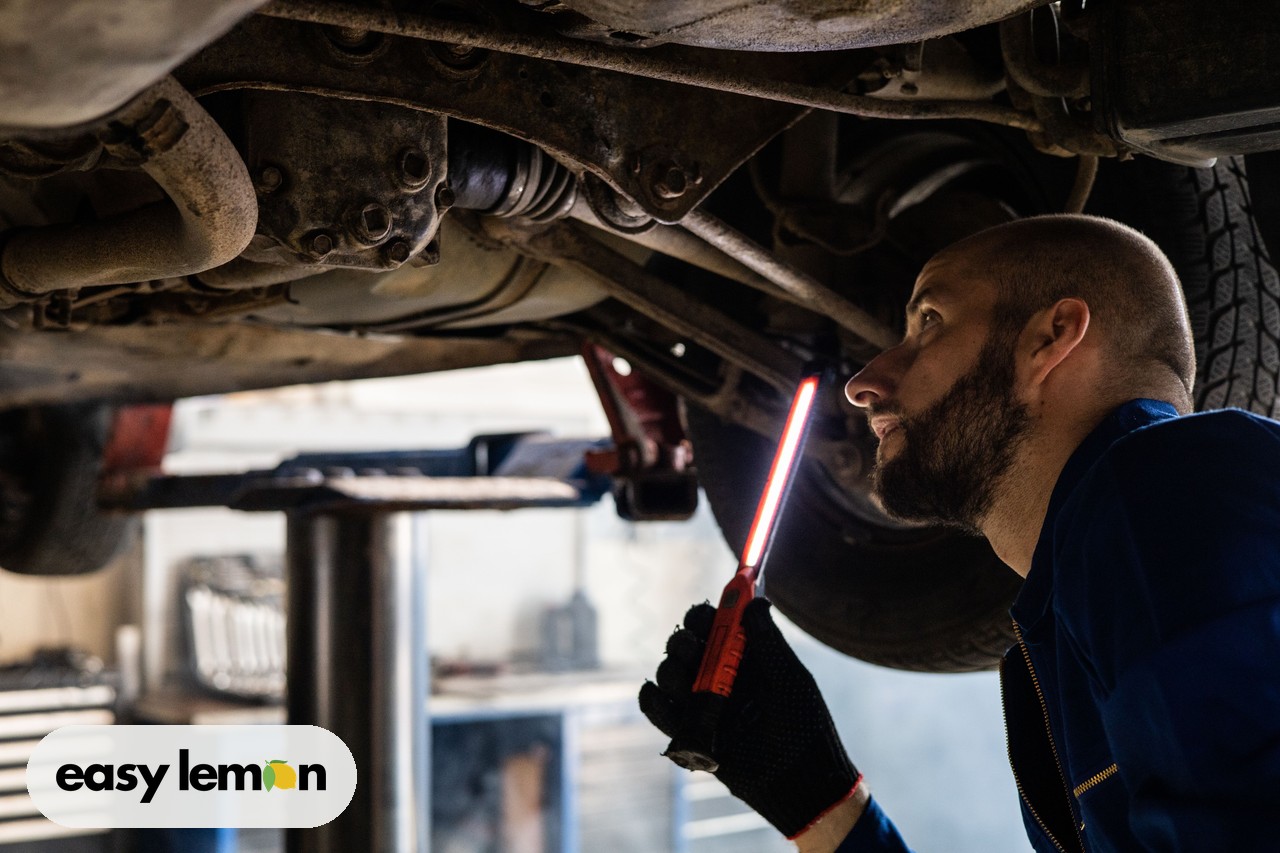
The procedures inside a competent dealership are not complicated, but they are deliberate. A dealer that runs recall screening consistently looks very different at intake from one that does not, and the difference is visible from the buyer's chair if you know what to look for.
When a vehicle has an open recall, the manufacturer typically covers the cost of the repair, and in many cases, the issue should be addressed before the vehicle is sold to a consumer.
To manage that process, dealerships generally follow a series of steps designed to identify recalls, complete repairs when required, and disclose any remaining issues to buyers.
Step 1: Run a VIN Check and Identify Any Open Recalls.
The first step is verifying the vehicle’s recall status. A dealership that takes recall management seriously runs the VIN through both the manufacturer’s recall system and the National Highway Traffic Safety Administration (NHTSA) database.
This allows the dealer to identify any open recalls before the vehicle is listed for sale. At that point, the dealership must determine whether recall work can be completed immediately, whether disclosure is required, or whether the vehicle should be removed from inventory until repairs are available.
Step 2: Determine Whether the Recall Must Be Repaired Before Sale.
The answer depends on the type of vehicle being sold. A car dealership is required by federal law to complete open safety recalls on new vehicles before delivery to a customer.
Certified pre-owned vehicles are also generally required by manufacturer certification standards to have all recall repairs completed before they can be sold as CPO units.
Ordinary used vehicles are subject to different rules, which means dealers have more discretion, although many choose to complete repairs before offering the vehicle for sale.
Step 3: Schedule and Complete the Recall Repair.
If recall work is needed, the dealership coordinates with the manufacturer and performs the repair once the necessary parts are available. The timeline can vary significantly based on parts supply, the size of the recall campaign, and the dealership’s shop capacity.
A high-volume recall affecting thousands of vehicles may create delays even when the dealer is ready to perform the repair.
Step 4: Document the Vehicle’s Recall History.
After verifying or completing repairs, the dealership should maintain clear records showing the VIN, the recall campaigns that apply to the vehicle, the status of each recall, and any completed repair orders.
Buyers should ask for this documentation rather than guess whether a recall has been addressed. A dealer who has completed the work can usually provide the records without difficulty.
Step 5: Disclose Any Unrepaired Recalls Before the Sale.
If a recall remains open, responsible dealerships disclose that fact before the transaction is completed. Industry groups such as the National Independent Automobile Dealers Association (NIADA) have long recommended informing buyers of any known unrepaired recalls at the point of sale so consumers can make an informed decision.
Step 6: Review Any Recall Waiver Carefully.
Some dealerships ask buyers to sign documents acknowledging that a vehicle has an open recall. Buyers should read these provisions carefully.
While the specific legal effect varies by state and circumstance, signing a recall-related waiver can affect later disputes about what was disclosed before the sale. If something seems unclear, it is better to ask questions than assume everything is fine. Put simply, when it comes to open recalls, the worst approach is to guess.
It is also worth recognizing that many dealerships go beyond what federal law requires. Even though most states do not require used-car dealers to repair open recalls before sale, many choose to complete the work anyway because it reduces liability and builds customer confidence. In some cases, however, parts shortages and manufacturer delays make immediate repair impossible.
What Should You Do if You Discover an Open Recall After Purchase?
If a recall surfaces after you have already bought the vehicle, the immediate steps are clean. Enter the VIN at nhtsa.gov/recalls to confirm the open recall, contact a franchised dealership for your vehicle's brand to schedule the free repair, and bring documentation of any prior repair you paid for in case reimbursement is available under the manufacturer's pre-notification rule.
Keep the recall notice, the repair order, and any correspondence because that paper trail supports a reimbursement claim or, in more serious situations, a later legal claim.
If you suspect the dealer knew about the recall and did not tell you, for example, the dealer ran a VIN check at intake and the recall was visible at the time of sale, the situation looks different from a routine free repair.
That is the kind of fact pattern that can support a state consumer-protection or deceptive-trade-practices claim against the dealer, and it helps to understand what kind of lawyer deals with car dealerships before you decide how to proceed.
If the vehicle simply turns out to be defective in ways the recall fix did not resolve, that is the lemon-law fact pattern, and our overview of what types of problems are covered by the lemon law is a useful starting point.
Which Federal Statute Actually Bars Selling a Recalled Vehicle?
The controlling provision is 49 U.S.C. §30120(i)(1). Once a manufacturer notifies a dealer about a new motor vehicle in the dealer’s possession that contains a safety defect or a noncompliance, the dealer may sell or lease that vehicle only if the defect is remedied before delivery. Delivery is the line the statute draws, not advertising.
That distinction is spelled out. Section 30120(i)(2) is a rule of construction saying nothing in that subsection stops a dealer from offering the vehicle for sale. So the listing on the lot can stay up while the parts are on order.
Handing over the keys unrepaired is what the statute forbids. Sitting behind it is the broader prohibition in 49 U.S.C. §30112(a)(3): no person may sell, offer for sale, or introduce into interstate commerce a vehicle containing a safety defect about which notice was given under 49 U.S.C. §30118.
Why Does the Federal Bar Reach New Cars but Not Most Used Ones?
Because of one sentence. Section 30112(b)(1) says §30112 does not apply to a sale occurring after the first purchase of the vehicle in good faith other than for resale.
Once an end user has bought the car in good faith, later resales sit outside that prohibition, which is why the federal rule bites hardest on new inventory. Section 30120(i)(1) is keyed to new vehicles in the dealer’s possession for the same reason.
There is also a defense: §30112(b)(2)(C) protects a seller who had no reason to know of the defect despite exercising reasonable care.
What Rules Apply to a Rental Company With an Open Recall?
Rental fleets run on a much shorter clock. Under 49 U.S.C. §30120(i)(3)(A) a rental company has 24 hours from receiving the notice sent to owners to stop renting, selling, or leasing the affected vehicles.
That stretches to 48 hours under §30120(i)(3)(B) when the notice covers a fleet of more than 5,000 vehicles.
Section 30120(i)(3)(C) covers the gap before a remedy exists: if the notice specifies interim actions that eliminate the safety risk, the company may rent the vehicle after performing them, but it still may not sell or lease it. Once the remedy is available, renting stops until the repair is done.
Did a Dealership Sell You a Car With an Open Recall?
It is important for consumers to be aware of their rights regarding recalls when purchasing a vehicle from a dealership.
Dealerships are required to fix open recalls before selling new vehicles, but in most states used vehicles can still be sold with open recalls, so buyers should always run a VIN recall check before purchase.
Unlike many recall guides that simply explain the law, this article examines how dealerships actually process recalls in practice, the operational pressures behind those decisions, and the legal issues that arise when procedures break down.
Easy Lemon is a law firm with experienced Lemon Law attorneys that can help evaluate your case, review your purchase documents, and even file a legal claim where necessary. You can walk into any of our offices or contact us directly to get started.
Frequently Asked Questions
In the process of writing this blog, we came across some recurring questions owners ask most about dealership services and recalls. These are not a substitute for advice on your specific situation.
Do Dealerships Have to Fix Recalls Before Selling a Car?
Federal law prohibits a dealer from delivering a new vehicle with an open safety recall. For used cars, no federal law requires used-car dealers to repair or disclose open recalls before sale, and most states impose no such requirement either — a gap widely called the used-car loophole.
Some states do have their own rules, and rental fleets above 35 vehicles must repair recalls before selling under the Safe Rental Car Act.
How Can I Check if a Car Has Any Open Recalls Before Buying It From a Dealership?
Enter the 17-character vehicle identification number into NHTSA's free lookup at nhtsa.gov/recalls before you sign anything. You can also check the manufacturer's website using the same VIN and pull a Carfax-style history report, which shows recall history alongside title and accident records.
What Happens if a Dealership Sells a Car With an Open Recall?
For a new car, the sale violates federal law and exposes the dealer to NHTSA enforcement and civil penalties.
For a used car, the sale is generally legal under federal law but can still give rise to state consumer-protection or deceptive-trade-practices claims if the dealer concealed a known recall or made false inspection claims, and the dealer can also face civil liability if the recalled defect later contributes to a crash.
Can I Still Buy a Car From a Dealership if It Has an Open Recall?
Yes, in most states you can, but evaluate the specific recall before you commit. If the recall is minor and parts are available, schedule the free repair right after purchase.
If the defect is serious or parts are weeks or months out, either insist the dealer complete the repair before delivery in writing on the purchase agreement or negotiate the price down to reflect the open exposure.
Avoid signing any waiver that releases the dealership from liability for the recall, because that document shifts responsibility back to you.
Is It the Dealership’s Responsibility to Inform Me About Any Recalls on a Car I Am Interested in Buying?
Federal law does not require a used car dealer to disclose open recalls, though the National Independent Automobile Dealers Association recommends disclosure at the point of sale, and a number of states have their own disclosure rules.
Treat the lookup as your responsibility, run the VIN yourself at nhtsa.gov/recalls before signing, and request written confirmation of recall status from the dealer.
Legal Disclaimer: This article is for general information only and is not legal advice. Federal and state laws governing vehicle recalls, dealer obligations, and consumer remedies vary, and whether a specific situation gives rise to a claim depends on the facts and your state's statutes.
Past results do not guarantee future outcomes. For advice about your circumstances, consult a licensed attorney in your state.
What Our Clients Say
Read More Relevant Blogs

Washington Lemon Law Attorney Fees: Who Pays?
In Washington, manufacturers pay legal fees for consumers under two circumstances, and these fees don't involve any fraction...
Read Full Post →
Colorado Lemon Law Attorney Fees: Who Pays?
Colorado has some unique rules when it comes to costs and fees compared to other states. Under Colorado...
Read Full Post →
Georgia Lemon Law Attorney Fees: Who Pays?
In Georgia, whether the manufacturer pays your attorney fees is a decision the arbitrator makes, not an automatic...
Read Full Post →Resolving Your Lemon Law
Case Has Never Been Easier
Our experienced attorneys handle everything — from paperwork to manufacturer negotiations. You focus on your life, we'll get you results.