








Dodge Ram Transmission Problems


Dodge Ram transmission problems usually show up as hard shifting, delayed engagement, slipping gears, or overheating while towing and hauling.
In many cases, the issue starts with low transmission fluid, failing solenoids, worn clutch packs, or software calibration problems that affect transmission performance.
Some Dodge Ram trucks only need a fluid service or software update, while others require expensive repairs or full transmission replacement after common failures develop. Catching the warning signs early can help Dodge vehicle owners avoid costly repairs, breakdowns, and long-term damage to the transmission system.
At Easy Lemon, we make the Lemon Law simple, accessible, and actionable for you. Our legal team has helped many Dodge Ram owners work through warranty and lemon law issues. Schedule a free case evaluation today.
This guide explains the most common Dodge Ram transmission problems, their warning signs, repair costs, and what rights you may have if the dealer cannot fix the issue.
What Are Common Dodge Ram Transmission Problems?
A Ram transmission rarely fails all at once. More often, the trouble builds through several smaller signs that, taken together, point to a specific failure.
Most owners notice a transmission problem through one of three signs, and they often appear together rather than alone. The first is rough or delayed shifting, especially when moving from park to drive or during low-speed gear engagement. This frequently traces back to low or contaminated transmission fluid.
The second is slipping gears, where the engine revs but power does not reach the wheels, or the truck drops out of first gear under load. The third is strange noises, such as whining, grinding, or clunking sounds while driving, which usually result from worn-out gears or low fluid levels.
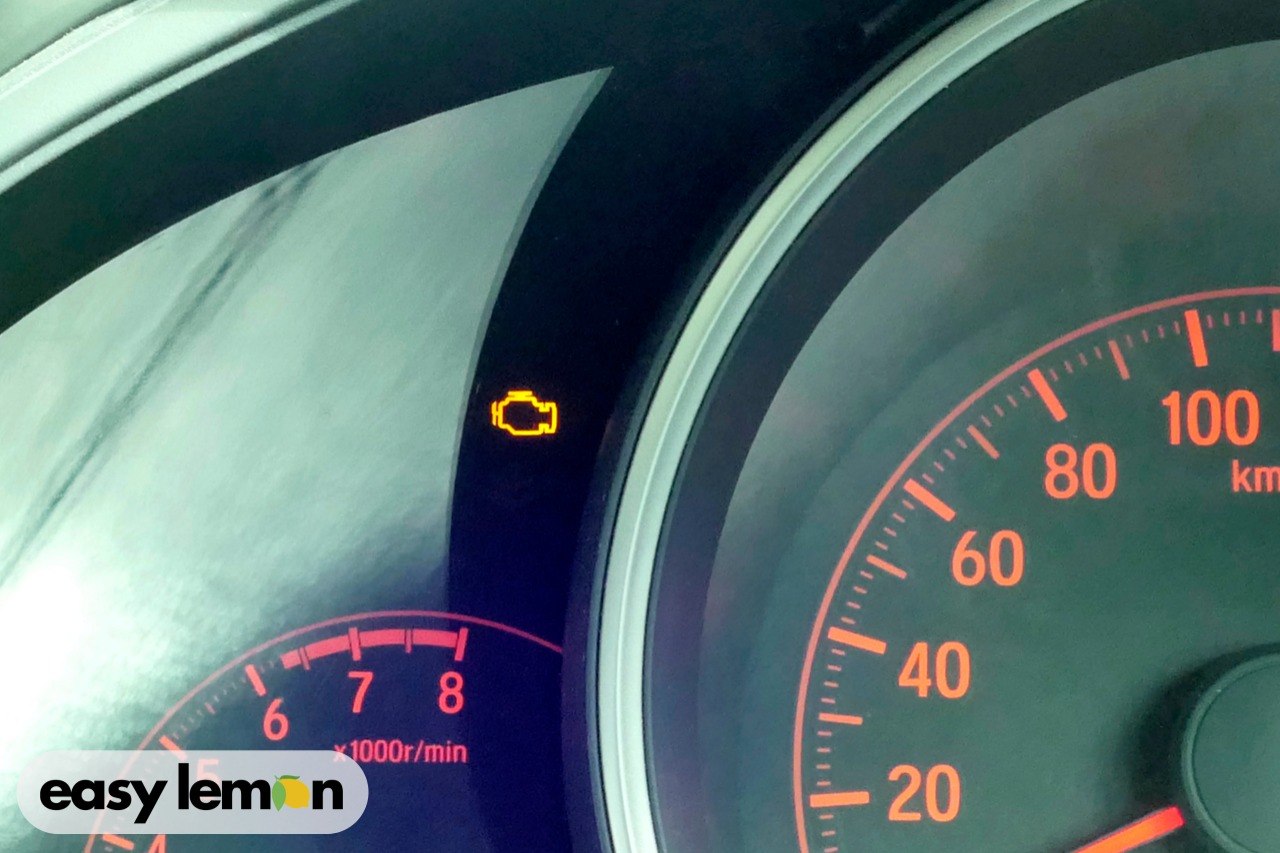
A few other warning signs deserve attention because they tend to mean the problem has progressed. A burning smell from the transmission almost always indicates overheated fluid, and a check engine light paired with a code such as P0700 indicates the transmission control module has flagged a fault it has already recorded.
If you notice any of these, it is worth understanding your Dodge Ram lemon law rights early, because a defect that keeps coming back is treated very differently under the law than ordinary wear.
What Are the Potential Causes?
The symptoms above usually stem from one of several root causes, and they rarely act in isolation. Transmission problems in Dodge Ram trucks often begin with faulty electronic components, defective solenoids, a failing solenoid pack, or software glitches within the transmission control module that throw the shift logic off.
From there, the most common mechanical culprits are a faulty torque converter that cannot hold lockup, worn clutch packs that can no longer grip, and valve body issues, where a warped separator plate develops internal leaks that drop line pressure and produce sloppy, unpredictable shifts.
Two factors make these failures worse on Ram trucks than on a typical car. Inadequate factory-installed cooling leaves the transmission running hot, and the stock components on the heavy-duty diesel trucks see excessive stress from towing.
Degraded transmission fluid ties it all together, because old fluid loses its ability to cool and lubricate, which accelerates internal damage.
Fluid leaks are a related red flag. A reddish or dark brown puddle under the truck usually points to damaged seals or a cracked pan. If a defect like this surfaces while the truck is still under warranty, your Ram truck recall and lemon law rights may give you more options than the dealer will volunteer.
A Real Pattern We See With Ram Transmission Issues
In our experience, most Ram transmission issues and early signs of transmission failure do not happen suddenly. They build over time through small warning signs that many owners mistake for normal wear.
A common pattern involves a Dodge vehicle used for towing or daily commuting that begins showing low transmission fluid symptoms, rough shifting gears, or inconsistent transmission performance.
At first, the issue may seem minor, and the truck still feels mostly reliable. But over the course of a few days or weeks of continued driving, the symptoms return even after dealer repairs.
We frequently see owners go through multiple service visits where fluid is topped up, software is updated, or minor components are replaced, yet the underlying common failures continue. In more serious cases, these unresolved issues lead to full transmission failure, requiring internal rebuilding or complete replacement.
How Do You Diagnose Dodge Ram Transmission Problems?
Diagnosing a transmission problem is partly something you can do yourself and partly a job for a professional.
In our experience, owners often assume harsh shifting automatically means the transmission is failing internally, when in reality, a low fluid level or outdated calibration may be causing most of the symptoms.
We routinely advise owners to start there, because a known calibration fix is often free and can resolve a complaint that would otherwise be misdiagnosed.
The goal at the start is simple. Gather enough information to know whether you are dealing with a software issue, a fluid issue, or a mechanical failure, because each one leads to a very different repair and a very different bill.
A methodical check beats guessing, and the following sequence is how an attentive owner or a good technician works through a suspected transmission fault.
Step 1: Watch the Dashboard Warning Lights.
A check engine light is often the first official notice that something is wrong, and when it comes to a transmission fault, it frequently stores a P0700-range code. Do not clear the light and keep driving, because the stored code is the most direct clue you have.
Step 2: Pull the Diagnostic Codes.
A basic OBD-II scan tool, or a more advanced diagnostic tool at a shop, reads the trouble codes the transmission control module has logged. Those codes narrow a vague complaint down to a specific circuit or component.
Step 3: Check the Transmission Fluid.
Inspect the fluid for correct level, color, and smell. Bright red fluid at the right level is healthy; dark, gritty, or burnt-smelling fluid points to overheating and internal wear, and low fluid levels alone can cause many of the rough-shifting complaints owners chase.
Step 4: Perform a Road Test.
Drive the truck through its gears at different speeds and loads to feel where the problem appears, slipping in a particular gear, a hard 2-1 bump while coasting to a stop, or hesitation during gear engagement. Matching the symptom to a condition helps confirm what the codes suggest.
If the codes and the road test point toward an internal failure, the diagnosis moves beyond a driveway check. Owners of related Chrysler-family vehicles run into the same fork. The way 2021 to 2026 Chrysler Pacifica problems tend to play out is a useful comparison because the diagnostic logic is similar across the brand.
When Should You Seek Professional Help?
There is a clear point where professional help becomes the smart move. Anything involving the valve body, the torque converter, or internal clutch packs needs a certified mechanic with the right equipment and a lift.
A dealership service department also matters because an independent shop cannot match it. Warranty and recall work has to run through a franchised dealer for your brand.
Warranty considerations are where this gets important for Ram owners. If your truck is still covered and the dealer attempts the same repair more than once without a lasting fix, you are no longer dealing with a simple repair.
That is the situation behind a Ram warranty breach lawsuit, and the repair orders you collect along the way become the evidence. In our experience, the Ram owners who avoid the biggest losses are the ones who keep every receipt and treat repeated failures as a warning sign rather than a quirk to live with.
The 3-Stage Rule We Use to Evaluate Transmission Problems
Dodge Ram trucks are built for strength and towing, but transmission issues are one of the most common problems owners report. What often starts as small changes in transmission performance, like rough shifting gears, hesitation, or slipping, can quickly develop into repeated repairs or even full transmission failure.
Some issues come from simple causes like low transmission fluid or software calibration. Others point to deeper mechanical problems that lead to costly repairs or replacing the transmission entirely.
This guide breaks down the most common Dodge vehicle transmission issues, early warning signs, and what your options are if the problem keeps coming back.
Stage 1: Early Transmission Performance Issues
This includes minor hesitation, slight rough shifting, or early signs of reduced transmission performance. These issues are often linked to low transmission fluid, outdated calibration, or early pump inefficiency. At this stage, a fluid service or software update may restore normal reliability.
Stage 2: Developing Mechanical Failures
At this stage, the truck may struggle with shifting gears, delayed engagement, or overheating under load. These symptoms suggest internal wear in components like the valve body or pump system. If ignored, these issues can escalate quickly and affect overall safety and drivability.
Stage 3: Systemic Transmission Failure
When repeated repairs fail to fix the issue, the transmission is likely experiencing a structural breakdown. This can involve clutch pack wear, pump degradation, or internal hydraulic loss.
At this point, replacing the transmission is often recommended, but in some cases, upgrades or rebuilt units are considered depending on cost and vehicle use.
What Are Solutions for Dodge Ram Transmission Problems?

Once you know what is wrong, the fix usually falls into one of a few categories, ranging from an inexpensive fluid service to a full replacement. The right choice depends on the cause, the mileage, and whether the truck is still under warranty.
We routinely tell clients not to approve a rebuild until software updates and pressure-related diagnostics have been ruled out first, because misdiagnosis is more common than most owners realize.
Repair costs vary widely by model, transmission type, and region, so the figures below are broad estimates meant to set expectations rather than quote a price. The diesel 68RFE units in the 2500 and 3500 trucks generally sit at the higher end because the parts and labor are heavier.
Not every transmission problem justifies a rebuild or replacement. For older high-mileage trucks, owners sometimes face a difficult cost decision: investing several thousand dollars into a rebuild versus trading the truck in before additional drivetrain problems appear.
A rebuild using quality OEM components can restore long-term reliability, but on heavily worn trucks, it may not solve related wear elsewhere in the drivetrain.
When the repair genuinely is mechanical, insist on quality parts and OEM parts where it counts, since cut-rate components are a common reason a rebuild does not last.
Owners of other Chrysler-family models face the same calculus; the path that Jeep Cherokee transmission problems tend to follow shows how quickly a misdiagnosed repair turns into repeat visits.
How Can You Prevent Transmission Problems in a Ram Truck?
Preventing transmission trouble comes down to a few habits that protect the parts most likely to fail. The single most important thing is fluid maintenance.
Change the transmission fluid every 30,000 to 50,000 miles using OEM-approved ATF+4, and check the level, color, and smell between services so a small problem does not become a large one.
For trucks that tow or haul regularly, installing an aftermarket heavy-duty transmission cooler is one of the most effective solutions for preventing the overheating that breaks down fluid and damages internal components.
Driving habits matter as much as parts. Aggressive driving, towing beyond the truck's rating, and hard use in extreme temperatures all push the transmission past what the factory cooling was built to handle, and that excess heat is what leads to more severe damage over time.
Keeping the truck's software current is the quiet half of prevention, since routine TCM updates keep the electronic side functioning properly.
Staying on top of maintenance also strengthens your position later; if a defect does turn the truck into a lemon, a complete service history supports your case, and the rules can be state-specific, as the Texas Dodge lemon law shows.
What Legal Rights Do Dodge Ram Owners Have?
Routine wear is your responsibility, but a genuine defect that the manufacturer cannot repair is a different matter. When a transmission problem persists through repeated repair attempts, federal and state lemon laws may entitle you to a remedy, and knowing how those rights work changes how you handle the dealer.
Lemon laws vary by state, but most share the same core idea. If your Ram has a substantial defect that the dealer has tried and failed to fix within a reasonable number of attempts, or the truck has been out of service for an extended period, you may be eligible for a remedy.
Depending on your state, that remedy can take the form of a replacement vehicle, a repurchase or buyback, or cash compensation.
The eligibility criteria turn on the seriousness of the defect and the number of repair attempts, and timing matters because some states set firm deadlines. The Ram lemon law timeline in Florida is one example of how those windows work.
How Do You File a Lemon Law Claim for a Ram Transmission Problem?
One of the biggest mistakes we see is owners waiting too long to organize repair records. Missing paperwork can make an otherwise strong claim significantly harder to prove. The claim process rewards good record-keeping.
Filing starts with documentation of every repair order, the dates the truck was in the shop, the dealer's notes, and any correspondence about the problem. That paper trail is what proves the defect was substantial and that the manufacturer had a fair chance to fix it.
From there, most owners benefit from legal representation because manufacturers have experienced counsel, and the law is technical.
When clients come to us, the pattern we see most often is a truck that went through several dealer visits for the same shift problem without a lasting fix, which is exactly the fact pattern on which a claim is built.
If the case succeeds, the outcome may be a Ram lemon law replacement or a repurchase, again depending on your state.
Need Help With Your Ram Transmission Claim?
Transmission claims are documentation-heavy cases, and the outcome often depends on details most drivers do not realize matter. Our team focuses specifically on vehicle defects and lemon law claims, which means we look beyond whether the truck is simply having problems.
We examine repair frequency, downtime, warranty history, technical service bulletins, and whether the manufacturer had a reasonable opportunity to fix the defect.
If your truck keeps coming back from the dealer with the same transmission trouble, gather your paperwork and get a free consultation before you keep paying out of pocket. Our team of experienced attorneys at Easy Lemon helps Ram owners determine whether repeated transmission repairs cross the line into a valid lemon law claim. Contact us today for a free consultation.

Frequently Asked Questions
In the process of writing this blog, we came across some recurring questions buyers ask most about Dodge Ram transmission problems. Here are a few quick answers to the questions Ram owners ask most.
What Are Common Dodge Ram Transmission Problems?
The most common problems are rough or delayed shifting, slipping gears, overheating while towing, and fluid leaks. These usually trace back to degraded fluid, a faulty torque converter, worn clutch packs, valve body issues, or outdated transmission control module software.
How Much Does It Cost to Fix a Dodge Ram Transmission Problem?
Costs range widely, from roughly $150 to $350 for a fluid change to $2,500 to $4,500 for a rebuild, with diesel models often higher. A software-related harsh-shift fix is frequently free under a technical service bulletin, which is why it is worth asking the dealer to check for a TCM update first.
Where Can I Find a Reliable Mechanic to Fix Dodge Ram Transmission Problems?
A franchised Dodge or Ram dealership is the right choice for warranty and recall work, since only a franchised dealer can perform and bill those repairs to the manufacturer.
For out-of-warranty work, a certified transmission specialist with experience on the 8-speed and 68RFE units is a strong option, ideally one who uses OEM parts.
Are There Any Recalls Related to Dodge Ram Transmission Problems?
Yes, several Ram recalls have touched the transmission and drivetrain, including a 2013 to 2014 recall for an improperly machined park rod guide plate that could prevent the park pawl from engaging, NHTSA campaign 14V-161, and a brake-transmission shift interlock recall on column-shifter trucks, Consumer Reports.
Many shift-quality complaints, however, are handled through technical service bulletins and software updates rather than formal recalls, so check your VIN at nhtsa.gov/recalls.
What Are the Signs of a Failing Dodge Ram Transmission?
Watch for delayed or rough shifting, slipping gears, whining or grinding noises, a burning smell, and a check engine light with a P0700-series code. A reddish or dark brown puddle under the truck signals a fluid leak from a worn seal or pan, which should be addressed before it leads to further damage.
Legal Disclaimer: This article is for general information only and is not legal advice. Lemon law rights and remedies vary by state, and whether a specific vehicle qualifies depends on the facts of your case and your state's statute.
Past results do not guarantee future outcomes. For advice about your situation, consult a licensed attorney in your state.
Related: Compass owners report similar transmission faults. See Jeep Compass transmission problems.
What Our Clients Say
Read More Relevant Blogs

Washington Lemon Law Attorney Fees: Who Pays?
In Washington, manufacturers pay legal fees for consumers under two circumstances, and these fees don't involve any fraction...
Read Full Post →
Colorado Lemon Law Attorney Fees: Who Pays?
Colorado has some unique rules when it comes to costs and fees compared to other states. Under Colorado...
Read Full Post →
Georgia Lemon Law Attorney Fees: Who Pays?
In Georgia, whether the manufacturer pays your attorney fees is a decision the arbitrator makes, not an automatic...
Read Full Post →Resolving Your Lemon Law
Case Has Never Been Easier
Our experienced attorneys handle everything — from paperwork to manufacturer negotiations. You focus on your life, we'll get you results.