








What Are the Most Common Ford Ranger Problems and How Do You Fix Them?


The most common Ford Ranger problems include transmission shifting issues, fuel injector failures, engine cooling system faults, and electrical control module malfunctions.
Most of these problems can be resolved through timely repairs, software updates, component replacement, and addressing recall-related issues. The Ford Ranger has earned its place as one of the best-selling mid-size trucks in North America.
Owners run it as a work truck, a daily driver, and a weekend off-road rig. It does all three well, until something starts to slip.
Easy Lemon is a law firm focused on Lemon Law cases. Our team of Lemon Law attorneys can guide you through every step, from reviewing your lease agreement to pursuing the outcome the facts support for your case. Schedule a free case evaluation today.
This guide walks through the common Ranger problems across model years, what they cost to fix, and what you can do to keep your truck on the road longer than the next guy.
What Should You Know About Ford Ranger Repair Trends?
The Ranger nameplate covers two very different vehicles. The older Rangers built through 2011 are a body-on-frame compact pickup with simpler mechanicals.
The new Ranger, relaunched in North America for 2019, is a global truck shared with international models and built around modern turbocharged engines and a 10-speed automatic. The repair trends split along that line.
An analysis of NHTSA records found more than 1,200 owner complaints and over 70 safety recalls affecting Ford Ranger model years from 2010 through 2026. Many Rangers are dependable trucks, but certain defects have appeared repeatedly across multiple generations.
The most-reported issues across recent model years come down to four areas. Transmission issues lead the pack, followed by fuel injectors, engine cooling, and electrical control modules. Many owners also flag rough idling and erratic power delivery once the truck crosses 60,000 miles.
Older Rangers tend to fail in different places. Timing chain guide wear and slipping gears show up on high-mileage trucks. Cracked exhaust manifolds are another classic complaint on the 4.0L V6 motor used in earlier model years, usually announced by a tick that gets louder as the engine warms up.
Premature wear on tie rods, ball joints, and control arms is also common, which is what gives an older Ranger that loose, wandering steering feel on the highway.
How Much Should You Budget for Common Ranger Repairs?
Repair costs swing hard depending on the failure. A coolant hose or a faulty sensor is a one-hundred-dollar fix. A transmission cooler failure that lets fluid mix with coolant is a transmission rebuild, which might be four to seven thousand dollars at a Ford dealer, although it may be less at an independent shop.
The trap most owners fall into is putting off small jobs until they cascade. A leaking fuel rail by itself is cheap. The same leak left alone can damage injectors, kill mileage, and trigger the engine light. Neglected preventative maintenance is what turns a five-hundred-dollar problem into a five-thousand-dollar one.
What Preventive Steps Reduce Future Repair Costs?
Stay ahead of the truck. Stick to the factory service intervals in the owner's manual, and tighten them up if you tow often or run the Ranger as a daily driver in stop-and-go traffic. Change transmission fluid earlier than the lifetime-fill myth suggests, especially on the 10R80.
Check coolant levels every oil change. Inspect ball joints, tie rods, and bushings during tire rotations. Also, run a recall check on your VIN at the NHTSA's website twice a year. The Ranger has had multiple recalls across model years, and they are free to fix at any Ford dealer regardless of mileage or warranty status.
The Ranger Rule: Diagnose Problems in Four Steps
The Ford Ranger has built a strong reputation for reliability, but repair trends vary significantly by generation and powertrain. Older Rangers are known for simple, durable mechanics, while newer models introduce advanced technology that brings a different set of potential problems.
The most commonly reported Ranger issues involve transmission performance, fuel injectors, engine cooling systems, and electrical components. Knowing these patterns can help owners catch problems early and avoid costly repairs.
Step 1: Identify the symptom.
Determine whether the problem involves shifting, overheating, electrical issues, vibration, fuel delivery, or steering.
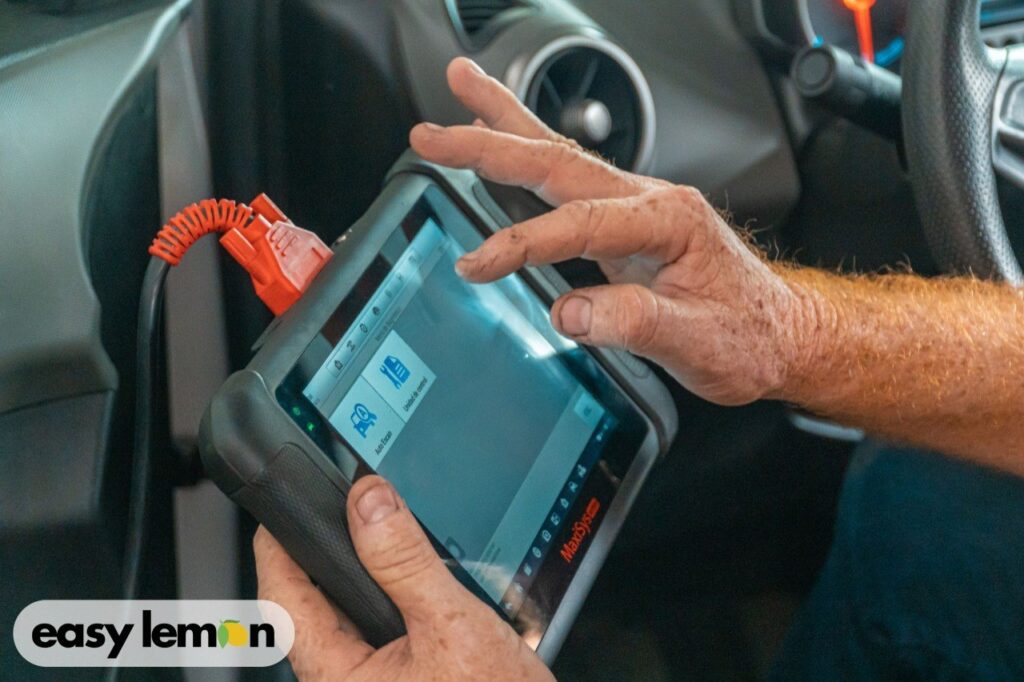
Step 2: Scan for fault codes.
Modern Rangers store diagnostic information that can dramatically narrow the source of the issue.
Step 3: Check technical service bulletins and recalls.
Ford frequently releases software updates and repair procedures that address known issues.
Step 4: Confirm the root cause before replacing components.
Many Ranger owners replace sensors, batteries, or ignition parts only to discover the original problem remains unresolved. Following this process can prevent unnecessary repairs and reduce diagnostic costs.
What Are the Most Common Ford Ranger Problems and How Do You Solve Them?
Engine overheating on the Ford Ranger is one of the more common issues, especially in older models. It is often caused by cooling system faults rather than a bad water pump. Across petrol EcoBoost and diesel variants, owners usually see the same pattern: coolant loss, rough idling, and a sudden temperature spike on the dash.
A key failure point on the 2.0L bi-turbo diesel and 2.3L EcoBoost is a cracked EGR cooler. When it fails, coolant can leak internally, leading to overheating, reduced power, misfires, and poor idle quality.
Other issues like leaking hoses, thermostat failure, radiator blockage, or fan problems can also happen, so it's easy to guess wrong without proper diagnosis.
If your car starts running hot, pull over and let it cool immediately. After that, you can look for visible coolant leaks, low reservoir levels, or residue around hoses.
The second option is a pressure test at a workshop to find hidden leaks. On diesel and EcoBoost models, an EGR cooler inspection is usually the most important check.
The transmission is another major complaint on the new Ranger. The 10-speed automatic, known as the 10R80, has been susceptible to shifting faults from 2019 onwards.
Many owners report rough or delayed shifts, gear slipping, and hesitation when accelerating. The root cause is usually a faulty valve-body component or out-of-date transmission-control-module software.
However, the most dangerous failure is a transmission cooler crack. When the cooler fails, transmission fluid mixes with coolant inside the radiator. That contamination destroys the transmission from the inside, often before the driver notices anything wrong.
If you see milky pink residue on the coolant cap, stop driving and get the truck on a flatbed. A simple TSB software update or valve-body replacement is a few hundred dollars. A cross-contaminated transmission is a full replacement.
What Electrical Issues Do Ford Ranger Owners Report?
Electrical stability is a weak point on modern Ford Ranger models, especially across cabin electronics and driver-assist systems.
The complaints are remarkably consistent: infotainment screens that freeze or reboot, intermittent backup-camera blackouts, random warning lights on the dash, and unexplained battery drain after the truck sits overnight.
Underneath those symptoms are the usual suspects. Malfunctioning sensors send bad data to the ECU. Faulty instrument clusters drop gauges in and out. Failing ignition coils cause stalling that looks like a fuel problem until you scan the codes.
Older Rangers add another wrinkle. In our experience, weak or dim headlights are common, and the fix is rarely the bulbs themselves. The culprit is corroded wiring and poor grounding in the lighting system.
Replace the grounds and clean the connectors before you spend money on a new headlight assembly. If you see warning lights you do not recognize, the right call is a full OBD-II scan with a Ford-capable tool.
How Do You Diagnose Suspension and Steering Problems on a Ranger?
Suspension complaints come in two flavors. Drivers report harsh ride quality or a noticeable front-end shudder over bumps. That points to fatigued shock absorbers or misaligned suspension.
Premature wear of ball joints, tie rods, and control arms is the second pattern, and it leads to a loose or wandering feel in the steering at highway speed.
There is a Ranger-specific trap to watch for. After installing a lift kit, owners may experience center bearing vibration because the two-piece driveshaft has been put at an improper angle. The fix is not a new driveshaft.
The fix is to shim the carrier bearing or geometry-correct the lift, then check pinion angle on a wheel alignment rack.
Fourth-generation Rangers from 2019 to 2023 also report driveline or structural vibrations at highway speeds, which is a separate problem from a worn carrier bearing. If the vibration is constant from sixty to seventy-five miles per hour, ask the shop to road-force balance all four wheels before they start replacing parts.
Common Ford Ranger Problems by System
For a quick view of which issues hit which trucks hardest, this table maps the common problems to the engines and model years where they show up most. Every Ranger wears differently depending on how it was driven.
There is one engine failure worth pulling out separately. The 3.2-liter diesel found in international models is prone to oil pump failure, and when the pump goes, it takes the engine with it.
The community fix is to replace the factory oil pump with a gear-driven aftermarket model. If you are buying a used Ranger with the 3.2 diesel, ask whether the gear-driven pump has been done.
How Do You Keep a Ford Ranger Properly Maintained?
A properly maintained Ranger XLT or Lariat can run past 200,000 miles without a major repair. The owners who get there all do the same things. They follow a service schedule, they catch small issues early, and they adjust their maintenance to how they actually drive the truck.
Oil changes on time matter more than anything else, especially on the turbocharged EcoBoost engines, where heat-cycled oil coats the turbo bearings. Transmission fluid changes at sixty thousand miles, not the lifetime-fill interval Ford suggests.
We also advise a coolant flush every five years. Differential and transfer-case fluid at one hundred thousand miles.
Brake fluid is the one most owners skip, and it matters. Old brake fluid absorbs moisture, which boils under hard braking and damages ABS modules. From our experience, it is best to flush it every three years to avoid an expensive ABS repair later.
The factory schedule assumes a normal-use vehicle in a moderate climate. But a lot of owners do not drive that way. For owners who tow regularly, we always advise they cut transmission service intervals in half.
If your Ranger lives in Arizona, change coolant on a calendar interval, not a mileage interval. If you drive short trips in winter, change oil more often because the engine never gets hot enough to boil off moisture and fuel from the crankcase.
Towing also accelerates wear on the rear suspension, the cooling system, and the brakes. If you tow above seventy percent of the Ranger's rated capacity often, expect to refresh suspension bushings around eighty thousand miles instead of the usual one-twenty.
Which Maintenance Jobs Can a Ranger Owner Handle at Home?
You do not need a lift to take care of a Ranger. Oil changes, air filters, cabin filters, spark plugs on the gasoline engines, brake pads, and battery replacement are all jobs a competent owner can do in a driveway.
A torque wrench, a basic socket set, a code reader, and a pair of jack stands are the tools that pay for themselves the first time you use them.
The jobs to leave to a shop are transmission service on the 10R80, EGR cooler replacement, and anything that needs the cooling system pressure-tested. Those three are not weekend projects.
How Do You Handle Equipment Trouble on the Trail?
Most trail breakdowns are not freak failures. They are small problems that were ignored until they became big problems at the worst possible time. The day before a trail run, walk around the truck with a flashlight.
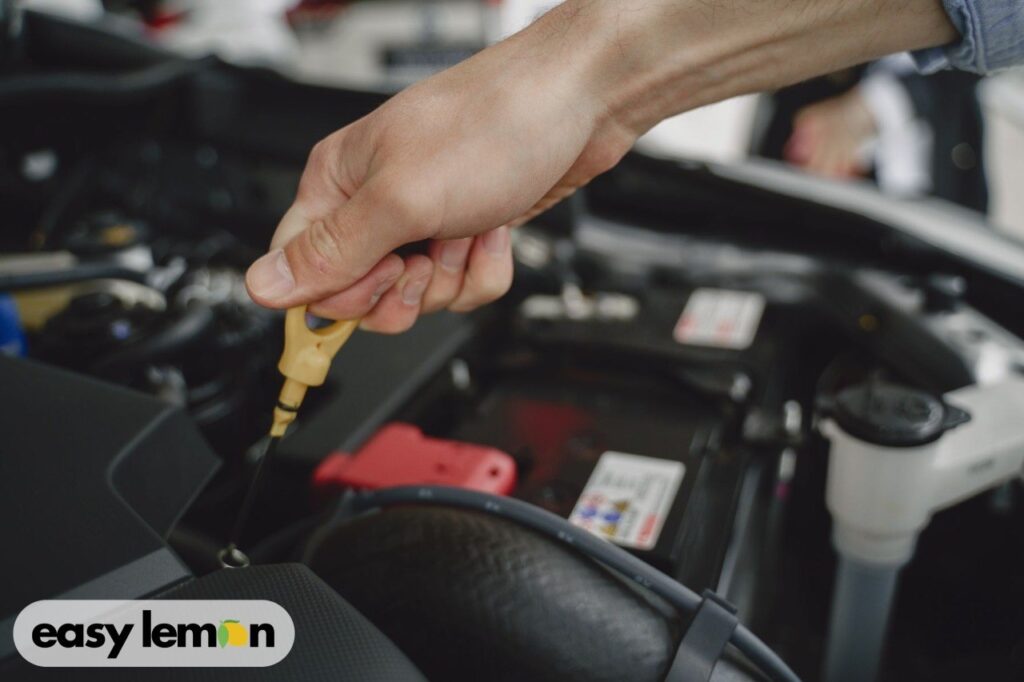
Look for fluid drops under the engine, transmission, and differentials. Squeeze every coolant hose for a soft spot. Check tire pressure cold and inspect the sidewalls for cuts or bulges. Pull the dipstick and look at the oil color and level.
Inside the cab, scan for any warning lights that have been quietly lit for a week. A check-engine light is not something to drive into the backcountry with. Run an OBD scan to see what codes are stored, even if the light is off. Pending codes will tell you what is about to fail before the dash does.
Carry the basics, and you can fix most of what goes wrong on a Ranger in the field. A full-size spare with a working jack and a breaker bar. A tire plug kit and a portable air compressor.
Coolant, oil, transmission fluid, and a gallon of water for top-offs. A basic socket set, an adjustable wrench, pliers, zip ties, and rescue tape for hoses. A multimeter and a spare set of fuses cover most electrical problems.
The two extras that punch above their weight are a recovery strap rated for your truck's weight and a small jump pack. The jump pack saves a trip when the parasitic battery drain that the new Ranger is known for catches you out at a trailhead.
When Is It Time to Stop Fixing and Replace the Ranger?
There comes a point when owning a Ford Ranger becomes more expensive than replacing it. If your truck needs a transmission replacement, major engine work, and significant suspension repairs within a short period, the cost of keeping it can quickly exceed its value.
In our experience, owners who sell before the next major failure avoid sinking thousands of additional dollars into a vehicle with a growing list of problems. Rather than focusing on what you've already spent, compare the cost of upcoming repairs with the price of replacing the truck or upgrading to a more reliable vehicle.
If you purchased a newer Ranger and continue to experience serious issues despite repeated repairs, you may have options beyond the repair shop.
Unresolved recalls, recurring defects, or problems that prevent the truck from performing as advertised could qualify for protection under your state's lemon law. Exploring those options may make more sense than continuing to invest in costly repairs.
How Does Ranger Reliability Compare to Other Mid-Size Trucks?
Many guides simply list complaints without explaining how failures develop, how much repairs typically cost, or when a repair may indicate a larger pattern of defects.
We combine owner-reported issues, repair trends, maintenance recommendations, and lemon-law considerations to help Ranger owners make informed decisions. The Ford Ranger's reliability sits in the middle of the segment.
For buyers prioritizing reliability above all else, the Tacoma often sets the benchmark. Buyers who want stronger towing performance and modern technology may find the Ranger strikes a better balance despite its known problem areas.
It is important to remember that many Ranger owners never encounter major transmission failures, cooling-system defects, or electrical problems. Vehicle reliability depends on factors such as maintenance history, driving habits, towing frequency, climate, and production year.
The issues discussed in this guide represent the most commonly reported trends rather than guaranteed outcomes for every Ranger owner.

Is your Ford Ranger Unreliable?
The Ford Ranger remains a strong daily driver and a capable work truck through most of its model years. Reliability is not the wrong call against Toyota or Nissan in this segment, but it depends on which Ranger you have and how it was maintained. The Rangers that age well are the ones whose owners caught small problems early.
If your Ford Ranger has been at the dealer multiple times for the same defect and the problem keeps returning, our Lemon Law attorneys can assess your case. You can walk into any of our offices or contact us today to get started.
Frequently Asked Questions
Below are a few of the most common Ford Ranger questions we hear from owners, with short answers you can act on.
How Do You Fix a Common Ford Ranger Overheating Issue?
Most Ranger overheating traces back to a cracked EGR cooler or a slow coolant leak. Pull over when the temperature climbs, then have the cooling system pressure-tested at a shop before you drive it again.
What Are the Most Common Ford Ranger Transmission Problems?
The 10R80 ten-speed automatic in 2019-and-newer Rangers is known for rough shifts, gear slipping, and hesitation. A software update or valve-body service fixes most cases when caught early.
How Do You Address Common Ford Ranger Electrical Issues?
Run a full OBD-II scan with a Ford-capable tool, then check grounds and battery health before replacing any modules. Many electrical complaints clear up after a clean ground and a battery reset.
Is the Ford Ranger a Reliable Daily Driver?
The Ranger is a reliable daily driver when properly maintained, with most failures showing up on neglected trucks or those past 120,000 miles. Recent model years rate average to above-average for reliability among mid-size trucks.
How Long Should a Ford Ranger Last with Proper Care?
A Ranger that gets its factory service on time, with extra attention to transmission fluid and cooling, can run past 200,000 miles. The trucks that fall short, almost always, missed a major service or kept driving through a warning light.
Legal Disclaimer: This article is for general information, not legal advice. Federal and state laws governing vehicle warranties, lemon-law remedies, and recall rights vary, and a claim depends on your state's statutes and the specific facts.
Past results do not guarantee future outcomes. Consult a licensed attorney in your state for advice about your specific circumstances.
What Our Clients Say
Read More Relevant Blogs

Washington Lemon Law Attorney Fees: Who Pays?
In Washington, manufacturers pay legal fees for consumers under two circumstances, and these fees don't involve any fraction...
Read Full Post →
Colorado Lemon Law Attorney Fees: Who Pays?
Colorado has some unique rules when it comes to costs and fees compared to other states. Under Colorado...
Read Full Post →
Georgia Lemon Law Attorney Fees: Who Pays?
In Georgia, whether the manufacturer pays your attorney fees is a decision the arbitrator makes, not an automatic...
Read Full Post →Resolving Your Lemon Law
Case Has Never Been Easier
Our experienced attorneys handle everything — from paperwork to manufacturer negotiations. You focus on your life, we'll get you results.