







How to File a Lemon Law Claim in Kansas
 By Aaron Waldo
Short Answer
Kansas lemon law has a presumption trigger almost no other state uses: 10 total repair attempts across any nonconformities, even when no single defect was attempted four times.
The usual four-attempts-on-the-same-defect route stays available. Kansas requires actual notice giving the manufacturer a chance to cure, and because the state statute has no fee provision, claims are commonly paired with a federal Magnuson-Moss count for fee recovery.
Reviewed by Aaron Waldo, Lemon Law Attorney · Easy Lemon
Kansas's lemon law contains a presumption trigger almost no other state offers. After 10 total attempts to any nonconformities, the presumption attaches, even if no single defect was attempted four times.
That alternative path lets consumers reach the lemon law remedy when their vehicle has cycled through unrelated defects rather than a single recurring fault.
The standard four-same-defect track is also available, but the 10-attempts route is what makes Kansas distinctive. Easy Lemon represents Kansas consumers in lemon law cases on a no-fee-unless-we-recover basis using the federal Magnuson-Moss Warranty Act fee provision under 15 U.S.C. § 2310(d)(2).
If your dealer cannot fix a defective vehicle, request a free case review. Our Kansas lemon law attorneys draft the actual notice, document the repair-attempt count, and run the parallel state and federal filing.
This guide walks through the 10-attempts trigger, the missing state fee provision, the federal pairing strategy, and the questions Kansas consumers ask most often.
Why Kansas's 10-Attempts Trigger Is Unique
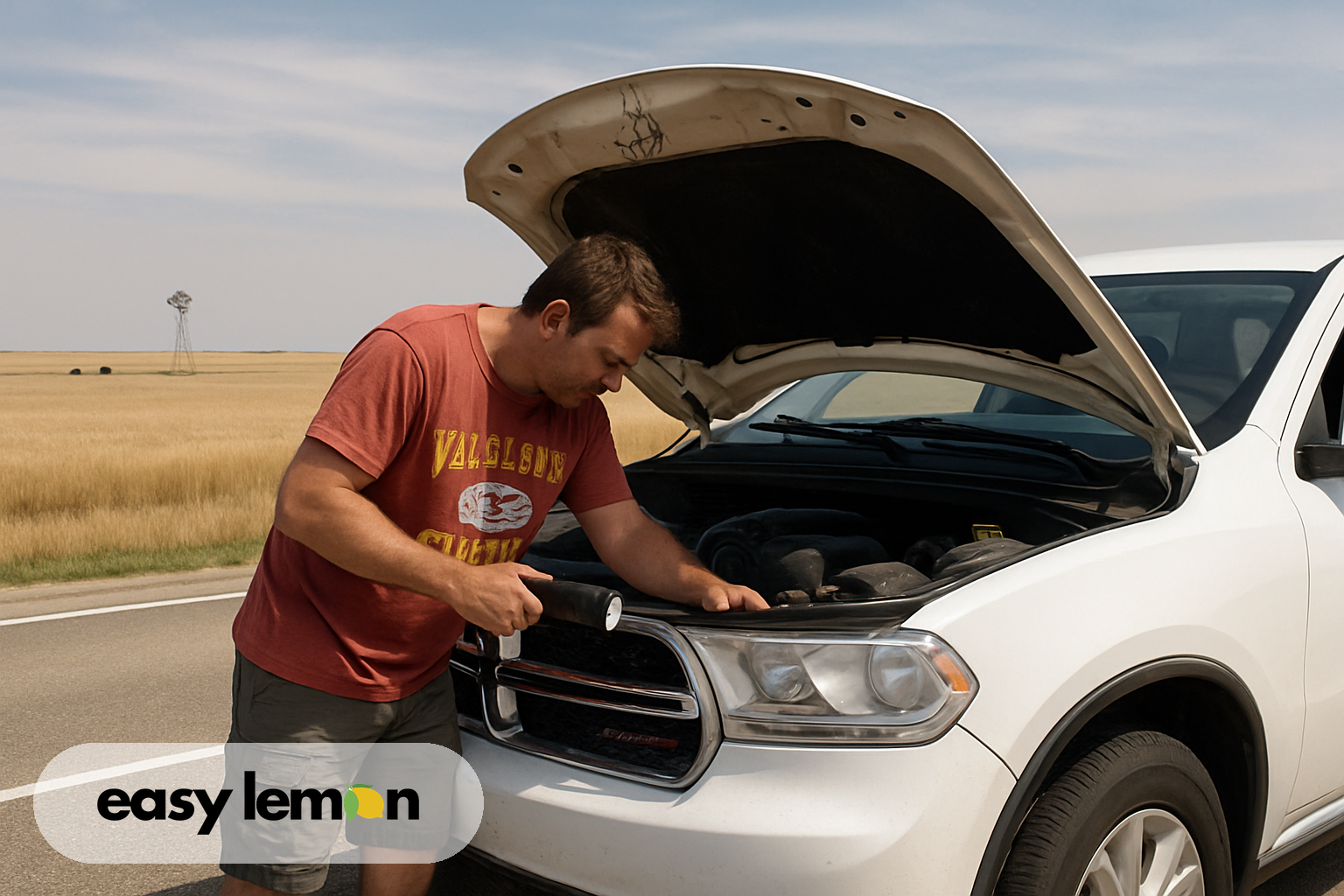
According to Natalie Nassi, Esq., Partner at Easy Lemon, "many vehicle owners remain unaware of the compensation or replacement options available under lemon law."
Kansas's statute, codified at Kan. Stat. Ann. §§ 50-645 and 50-646, contains a feature most state lemon laws do not. The standard presumption attaches after four failed repair attempts on the same nonconformity.
That is the threshold most states use. Kansas adds a second path. After 10 total attempts to any nonconformities during the coverage period, the presumption attaches even if no single defect was attempted four times.
That second path matters when a vehicle has cycled through unrelated issues. A consumer whose car has been in the shop for a transmission slip, then an electrical fault, then a sensor failure, then an HVAC defect, then more, may never hit the four-same-defect threshold.
Under most state lemon laws, that consumer has no remedy because no single defect repeats. Kansas's 10-attempts trigger gives them a path. Document each attempt with a separate repair order showing the date, mileage, and described defect.
How Kansas Counts the 10 Attempts
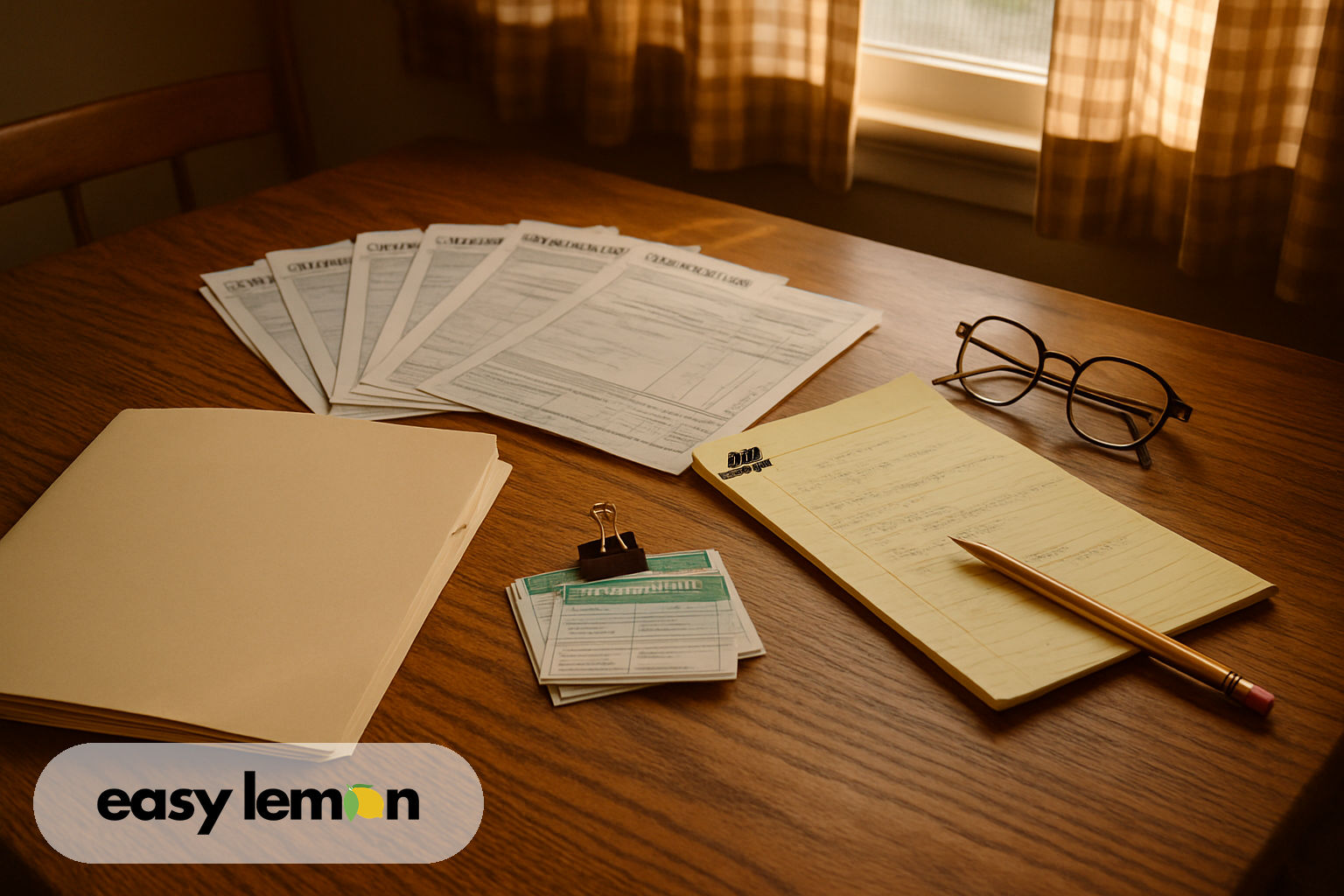
The 10-attempts count is cumulative across any authorized Kansas dealership. It includes attempts on different defects, attempts the dealer marked "could not duplicate," and attempts where the dealer made a temporary adjustment that did not resolve the issue.
What does not count is unrelated maintenance work (oil changes, tire rotations, recall service that has nothing to do with the consumer's reported defect). The repair order has to document a defect the consumer reported.
According to Natalie Nassi, the dispute over what counts as a Kansas attempt almost always turns on the repair-order language. A specific entry naming the symptom (rough idle, rear sensor fault, HVAC blower failure) locks the attempt in the count.
A vague entry that says "customer concern" with no described defect can be argued out of the count by the manufacturer's counsel at arbitration.
"The day count is also where Kansas consumers slip in lemon law cases. Every dealer drop-off and pickup needs to be logged the same day, because if it is not documented, it does not count toward the 30-calendar-day threshold."
— Natalie Nassi, Esq., Partner at Easy Lemon
Actual Notice and the Manufacturer's Cure Opportunity
For 10-attempts cases, the notice has to inventory the prior attempts so the manufacturer cannot argue at arbitration that the pattern of unrelated defects was unclear. A weak inventory undermines the alternative-attempts trigger.
Kansas requires actual notice to the manufacturer for the lemon law presumption to apply. The notice goes directly to the manufacturer's designated address, not to the dealer. The notice should identify the defect or, in the 10-attempts case, the pattern of unrelated defects, and demand a refund or replacement.
Sending the notice by certified mail creates the tracking evidence consumers need if the manufacturer claims it never received the notification. The lemon law letter is the procedural hinge of every Kansas claim.
After receiving the notice, the manufacturer gets a chance to cure. If the cure attempt fails or the manufacturer ignores the notice, the presumption attaches.
The Magnuson-Moss Pairing Strategy in Kansas

Kansas has no statutory attorney-fee provision under its lemon law. That makes contingency representation on the state claim alone uneconomical for most consumers, because the fee award that normally pays counsel does not exist under Kansas law.
The fix is the federal Magnuson-Moss Warranty Act. Magnuson-Moss covers any consumer product (including vehicles) sold with a written warranty. It has its own fee-shifting statute under 15 U.S.C. § 2310(d)(2).
When the consumer prevails, the court may order the manufacturer to pay reasonable attorney's fees. That federal mechanism is what makes Kansas lemon law representation viable. Kansas cases typically run on parallel tracks.
The state claim under §§ 50-645 and 50-646 produces the refund or replacement remedy. The federal claim under Magnuson-Moss produces the fee-shifting that pays counsel. The same documentation supports both.
The federal pairing changes the manufacturer's calculus in Kansas cases the same way it does in Illinois and North Dakota cases.
Working Through the Kansas Certified Arbitration Step If the manufacturer operates a 16 CFR 703-compliant arbitration program, the consumer must use it before pursuing court remedies.
Most major manufacturers run programs through BBB AUTO LINE or a similar certified arbitrator. The program is non-binding on the consumer. If the decision goes against you, you can reject and file in Kansas court.
If the decision goes in your favor, you can accept the award, and the manufacturer is bound by an accepted decision. The Kansas Attorney General Consumer Protection Division oversees consumer protection enforcement and accepts complaints about manufacturer or dealer conduct that falls outside the lemon law remedy itself.
The Refund or Replacement Remedy
If the presumption attaches and the case resolves in your favor, Kansas's lemon law gives you the choice between a refund and a replacement. The manufacturer does not get to decide.
A refund covers the full purchase price, plus collateral charges (sales tax, title and registration fees, dealer prep, factory-installed options), plus reasonable incidental damages (rental car costs, towing, manuals).
The manufacturer is allowed to deduct a reasonable allowance for use, calculated based on the miles driven before the first repair attempt. A replacement is a comparable new vehicle of the same make, model, and equivalent options.
The refund-versus-replacement choice often turns on how long the vehicle has actually been on the road. Most Easy Lemon clients prefer the refund when their usage was minimal, rather than accepting another car from the same manufacturer that already sold them a defect.
When the federal Magnuson-Moss claim is paired with the state claim, the prevailing consumer also recovers reasonable attorney's fees from the manufacturer.
Easy Lemon does not bill Kansas clients up front because the federal claim makes the manufacturer pay fees when the case succeeds. Coverage Limits Built Into K.S.A. § 50-645 Be honest about the limits before you file.
Kansas's lemon law applies to motor vehicles sold or leased in Kansas with registered GVW of 12,000 pounds or less. The statute does not apply to:
- Vehicles registered for more than 12,000 pounds
- Customized parts added by second-stage manufacturers or converters
- Vehicles where the defect was caused by accident, abuse, neglect, or unauthorized modification
- Defects that do not substantially impair the use, value, or safety of the vehicle If your vehicle falls outside the Kansas statute, federal Magnuson-Moss warranty law often applies as a standalone claim. Easy Lemon handles those cases too, often as the only viable claim when the state lemon law does not cover the vehicle.
Need Help Filing a Kansas Lemon Law Claim?
You can file with the manufacturer's certified arbitration program on your own. The procedure is meant to be accessible to consumers without counsel.
Manufacturers are almost always represented by counsel at arbitration, and the missing state fee provision means an unrepresented Kansas consumer is fighting the manufacturer's lawyers without the structural advantage that fee-shifting normally provides.
Easy Lemon, operated by RockPoint Law P.C., works on a no-fee-unless-we-recover basis.
We pair the state claim with a federal Magnuson-Moss claim so the fee recovery comes from the manufacturer. We also document each repair-attempt entry carefully because the 10-attempts trigger depends on specific repair-order language.
The firm has recovered more than $50 million** for clients. For a free consultation, call 855-43-LEMON or schedule online through our intake form. There is no cost to find out whether you have a case. If you do, we tell you. If you do not, we tell you that too.
Kansas Lemon Law: Frequently Asked Questions
The questions below come up most often when Kansas consumers call Easy Lemon. Each answer points back to the K.S.A. provision that controls, so you can verify the framework before deciding whether to file.
What is Kansas's 10-attempts trigger?
Kansas allows the lemon law presumption to attach after 10 total attempts to any nonconformities, even if no single defect was attempted four times. That is unusual among state lemon laws, which typically require multiple attempts on the same defect.
If your vehicle has cycled through unrelated defects, the 10-attempts path can put you over the threshold when the same-defect path will not.
How are attorney's fees handled in a Kansas lemon law case?
Kansas lemon law has no fee-shifting provision. To recover attorney's fees, consumers pair the state-law claim with a federal Magnuson-Moss Warranty Act claim. Magnuson-Moss provides its own fee-shifting under 15 U.S.C. § 2310(d)(2).
That is the route Easy Lemon takes for Kansas clients.
What counts as one of the 10 attempts?
Any repair attempt on a defect the consumer reported counts, including attempts the dealer marked "could not duplicate" and attempts that involved a temporary adjustment that did not resolve the issue.
Unrelated maintenance work like oil changes or tire rotations does not count. The repair order has to document a defect the consumer raised.
What is the Kansas filing deadline?
Kansas applies its general 3-year statute of limitations for actions on liability created by statute under K.S.A. § 60-512. That is longer than most states' lemon law SOLs.
The clock runs from when the cause of action accrues, which Kansas courts generally tie to the breach of the warranty or the manufacturer's failure to cure.
Why is the Kansas coverage period so short?
Kansas caps coverage at the earliest of the warranty term or one year from original delivery. That is among the shorter coverage windows in the country.
Consumers should bring repair issues to the dealer immediately to get a four-same-defect or 10-total-attempt sequence on record before the coverage period ends.
Reviewed by Natalie Nassi, Esq., Partner, Easy Lemon (RockPoint Law P.C.). This article is for general information only and is not legal advice.
Reading it does not create an attorney-client relationship between you and Easy Lemon or RockPoint Law P.C. Kansas lemon law cases turn on specific facts and on the version of the statute in effect at the time of your purchase.
For advice on your specific situation, contact Easy Lemon for a free consultation. Past results discussed do not guarantee a similar outcome. Every case is different.
What Our Clients Say
Read More Relevant Blogs

Washington Lemon Law Attorney Fees: Who Pays?
In Washington, manufacturers pay legal fees for consumers under two circumstances, and these fees don't involve any fraction...
Read Full Post →
Colorado Lemon Law Attorney Fees: Who Pays?
Colorado has some unique rules when it comes to costs and fees compared to other states. Under Colorado...
Read Full Post →
Georgia Lemon Law Attorney Fees: Who Pays?
In Georgia, whether the manufacturer pays your attorney fees is a decision the arbitrator makes, not an automatic...
Read Full Post →Resolving Your Lemon Law
Case Has Never Been Easier
Our experienced attorneys handle everything — from paperwork to manufacturer negotiations. You focus on your life, we'll get you results.