








How Long Do Car Recalls Last?
 By Liam Jones

Short Answer
Most car recalls take a few weeks to several months to resolve, depending on how serious the defect is and whether replacement parts are available.
A software update may be done in one dealership visit, while airbag, engine or battery campaigns can drag on much longer. The recall obligation itself does not expire: manufacturers must repair covered defects free of charge if the vehicle was bought by its first purchaser less than 15 calendar years before the recall notice was issued.
Reviewed by Liam Jones, Lemon Law Attorney · Easy Lemon
The question hides two different clocks, and owners routinely mix them up. One clock is how long your particular repair takes to become available and get done. The other is how long the recall itself stays open as an obligation the manufacturer owes you.
Confuse the two and you end up assuming a letter that arrived years ago has gone stale. This page separates the clocks, walks through where the delays actually come from, and covers what to do when your car has been waiting on a part for months.
At Easy Lemon, we make the Lemon Law simple, accessible, and actionable for you. Our legal team has helped vehicle owners work through ongoing vehicle issues. Schedule a free case evaluation today.
The blog walks through the duration question, the step-by-step process, the common reasons recalls drag, and what to do if your vehicle has been waiting on a fix for too long.
What Is the Duration of a Car Recall?
The vehicle recall process can take anywhere from a few weeks to several months from the initial public announcement to the point where repairs are available.
The timeline depends on four main factors: how quickly the manufacturer responds, how serious the defect is, whether replacement parts are available, and what regulatory requirements must be completed before repairs begin.
Urgent safety recalls usually move the fastest. Problems involving the engine, airbags, fuel systems, brakes, steering components, or other defects that could cause injury or death are often placed on expedited timelines.
In contrast, recalls that depend on hard-to-source replacement parts can last six months or longer, especially when millions of vehicles are affected.
Most recalls do not have a strict expiration date. However, federal law under 49 U.S.C. § 30120(g) generally requires free recall repairs only if the vehicle was bought by its first purchaser less than 15 calendar years before the recall notice was issued (5 calendar years for tires).
Each of these four factors can significantly affect how quickly a recall moves from announcement to completed repair:
- Manufacturer's response time: Automakers must legally report a safety defect to the National Highway Traffic Safety Administration (NHTSA) within 5 business days of discovery. The reporting requirement is fast. The remedy after the report can take much longer.
- Severity of the defect: A park outside warning, recalls for vehicles that can spontaneously catch fire, sits at the top of the priority queue. A minor labeling defect on an emissions sticker sits at the bottom.
- Availability of replacement parts: A recall can be officially announced before parts exist to fix it. Owners sometimes wait months between getting the letter and getting an actual appointment.
- Regulatory requirements: NHTSA reviews the manufacturer's proposed remedy and timeline. If the agency thinks the fix is inadequate or the rollout is too slow, the recall scope can be expanded or the remedy revised, which extends the calendar.
How Long Do Vehicle Recalls Typically Take to Resolve?
Recall timelines vary widely depending on the size of the affected fleet, parts availability, and how complex the repair is.
Some recalls are resolved within a few weeks, while others, particularly large-scale airbag inflator or emissions recalls involving millions of vehicles, can take years to fully complete. This is because manufacturers and dealers cannot repair every vehicle at once, even at full capacity.
In our experience, routine recalls involving a simple device replacement or software update may reach widespread repair availability within one to three months.
Standard recalls affecting a mid-size group of vehicles with parts already on hand often take three to six months. Massive recalls tied to safety systems, emissions compliance, or defects that could lead to injuries for drivers and passengers may remain active for 12 months or longer.
Urgent stop-drive recalls are treated differently, with manufacturers typically prioritizing same-week dealer access and, additionally, offering loaner vehicles, transportation assistance, or reimbursement payment programs while repairs are pending.
According to the National Highway Traffic Safety Administration (NHTSA), vehicle manufacturers issue roughly 900 to 1,000 recalls annually in the United States, affecting tens of millions of vehicles each year.
Some campaigns involve fewer than 500 vehicles, while major nationwide recalls can impact more than 10 million cars at once, dramatically increasing repair wait times and parts shortages.
Most are resolved quietly through dealer repairs and manufacturer notification programs. The recalls that become major national stories are usually the outliers involving millions of vehicles, repeated failures, insurance concerns, or defects serious enough to lead to injuries, fires, or regulatory action.
Owners are often asked to complete a repair authorization form or schedule service appointments as parts become available, and some recalls remain subject to ongoing investigations or expanded coverage over time.
Typical Car Recall Timelines
Recall timelines vary significantly depending on the severity of the defect, the number of vehicles affected, and whether replacement parts are immediately available.
In our experience, some recalls can be completed during a single dealership visit, while others may remain active for months or even years due to supply chain shortages, regulatory reviews, or large-scale repair demand.
The table below gives a general breakdown of how long different types of vehicle recalls typically take to resolve.
Why Some Recalls Take Years
The Takata airbag recall is one of the clearest examples of how long large-scale recalls can last. The defect affected tens of millions of vehicles across multiple automakers after investigators found that aging airbag inflators could rupture and send metal fragments into the cabin during deployment. Even after the recall was announced, many vehicle owners waited months or years for replacement parts.
This was because the number of affected vehicles far exceeded the industry’s production capacity for replacement inflators. In our experience, this is where many drivers become frustrated.
The recall officially exists, but the actual repair timeline relies on parts availability and dealer capacity. For vehicle owners, the lesson is simple: a recall announcement does not always mean an immediate repair solution exists.
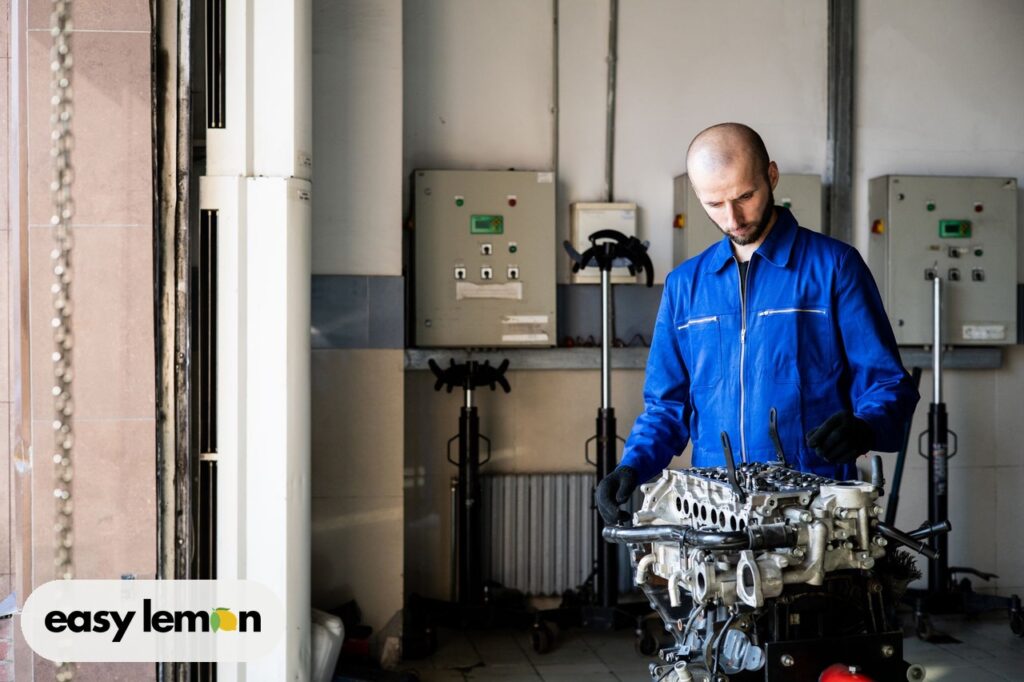
How Does the Car Recall Process Work?
The car recall process follows a standard set of steps designed to identify safety defects, notify vehicle owners, and repair affected vehicles. While the details vary from one recall to another, the overall process is generally the same every time.
Step 1: A Defect Surfaces.
Either the car manufacturer's own quality data flags a problem, NHTSA opens an investigation based on consumer complaints, or a third party (a class action, a whistleblower, or a state regulator) forces the issue.
Step 2: The Manufacturer Reports to NHTSA.
Automakers must legally report a safety defect to the National Highway Traffic Safety Administration within 5 business days of discovery. The Part 573 report names the defect, the model year range affected, the estimated number of vehicles, and the proposed remedy.
Step 3: NHTSA publishes the campaign.
The recall gets a campaign ID (the familiar 25V-XXX or 25E-XXX format), the affected vehicles list goes public, and the page appears on nhtsa.gov/recalls. From this point forward, vehicle owners can use the recall lookup with their vehicle identification number (VIN) to check the status.
Step 4: Owner Notification by Mail.
The manufacturer pulls registered-owner addresses from state DMV records and mails a recall notice to every affected owner. By law, the notice must describe the defect, the safety risk, the remedy, and how to schedule a free repair.
Recall notices arrive in plain envelopes that look like junk mail, which is part of why many owners miss them.
Step 5: Parts and Remedy Preparation.
Sometimes parts exist on day one. Often, they don't. The manufacturer has to engineer the fix, produce the parts, and distribute them to dealers. The recall officially exists, but the actual repair timeline depends entirely on parts availability and dealer capacity.
Step 6: Schedule a Service Appointment.
Owners contact a local dealership or authorized dealer to book the appointment. Most dealers process recall work alongside regular service, which is part of why scheduling can take additional time during busy periods.
Step 7: The Dealer Performs the Free Repair.
Repair times for car recalls can range from a few hours to several days, depending on part availability and repair complexity. The customer pays nothing for parts or labor on covered recalls.
Step 8: Documentation and Recall Closure.
The dealer gives the customer a copy of the repair order, and the VIN's recall status updates in the manufacturer's and NHTSA's systems. From that point, a fresh recall lookup will show the campaign as completed for that specific vehicle.
What Are the Challenges in Car Recalls?
On paper, the recall process appears straightforward: identify the defect, notify owners, and repair the affected vehicles. In reality, recalls often face delays caused by parts shortages, supply chain disruptions, dealer capacity limits, regulatory reviews, and communication issues with vehicle owners.
These challenges extend repair timelines longer than people expect and leave certain vehicles waiting months for a fix.
Not every delayed recall reflects bad faith by the manufacturer. In many cases, automakers are balancing the urgency of notifying drivers quickly against the reality that replacement parts and validated repair procedures may still be in development.
The challenge is that consumers often hear about the danger long before dealerships are fully prepared to fix it.
How Do Supply Chain Issues Delay Vehicle Recalls?
Parts shortages are the single biggest reason a recall drags. Modern vehicles rely on the same global supply chains used throughout the electronics and automotive industries, so when a semiconductor, sensor, control module, or airbag inflator becomes difficult to source, every vehicle in the recall queue can be affected.
Logistics and distribution delays often make the situation worse. A replacement part may already exist in the manufacturer’s warehouse, but it still takes weeks to reach local dealerships.
During massive recalls involving millions of vehicles, these bottlenecks can compound and delay repair appointments by two to six months or longer.
The problem becomes even more complicated when the recall involves a vehicle that is no longer in production. In those situations, the original supplier may have stopped manufacturing the part entirely, forcing the automaker to create new tooling or approve a replacement supplier before repairs can begin.
What Regulatory and Legal Challenges Can Delay a Car Recall?
Compliance with safety regulations is rarely a single binary "fix the defect" decision. NHTSA can require additional testing, expand the recall scope to include adjacent model years or trims, or push back on a remedy the agency considers inadequate. Each of those triggers extends the calendar.
The biggest misconception consumers have is that a recall announcement means the repair is immediately available. In reality, manufacturers often announce recalls before replacement parts are fully distributed.
Legal actions and settlements also play a role. A class action lawsuit running in parallel with a federal recall can change the manufacturer's calculation about how broadly to scope the remedy and what to offer affected vehicle owners.
Some recalls expand midstream because discovery in a related lawsuit surfaces evidence that the original recall didn't cover the full scope of the defect.
As vehicles become more complex, the likelihood of safety issues going unnoticed increases, prompting manufacturers to issue recalls to maintain safety standards.
The catch is that more complex systems also take longer to diagnose and remediate, software-driven defects in particular, where the fix is an OTA update that has to be tested across every variant and trim before rollout.

How Can Car Owners Manage Recall Delays?
Recall delays can be frustrating for vehicle owners, but there are practical ways to stay in control while waiting for repairs.
When a vehicle is recalled, the manufacturer is legally required to repair the issue at no cost to the vehicle owner, regardless of whether the vehicle is still under warranty.
Automakers must legally report a safety defect to the National Highway Traffic Safety Administration (NHTSA) within 5 business days of discovery, which starts the official recall process.
Vehicle owners are notified of recalls by direct mail, so we advise keeping ownership records updated in order to ensure they receive these notifications.
Since common reasons for vehicle recalls include issues with the steering system, braking system, fuel tank leaks, wire harness problems, and airbag malfunctions, owners should determine the urgency of the issue and how it may affect safe driving while waiting for repairs.
Stay updated. Regularly check the car manufacturer's website for status updates on your specific recall. Most automakers post parts-availability timelines and updated guidance as the campaign progresses.
Contact your local dealer for additional information specific to your appointment. The same shop that's going to do the work usually has the freshest read on when parts will arrive.
Run the VIN check periodically. Vehicle owners can check for outstanding recalls by visiting the National Highway Traffic Safety Administration (NHTSA) website, where they can perform a recall lookup using their vehicle identification number (VIN).
Many owners have open recalls and don't know it, especially if the vehicle was sold or purchased used and the original notice went to a prior owner's address. We always advise clients to run the lookup once a year at a minimum.
We recommend taking a screenshot or printing the recall lookup results each time you check your VIN. If the repair timeline changes later, having a record of the recall status can help document delays.
Use alternative transportation if the defect is severe. When a recall involves "do not drive" or "park outside" language, fuel leaks, fire risk, or defective airbags that can deploy on their own, do not drive the vehicle until it's fixed. Use a rental, borrow a car, or take public transit, but don't gamble on "it'll probably be fine."
Request rental car assistance from the manufacturer. Some recalls, especially stop-drive ones, come with manufacturer-provided rental coverage while the customer waits for repair.
The mechanism varies by automaker, but the request goes through your dealership. We always advise that you ask. Many drivers don't, and pay out of pocket for transportation they could have gotten for free.
Document everything. Save the recall notice. Keep the appointment confirmations. If the dealer can't get to your vehicle for weeks, get that in writing. If the recall drags on for months and the defect is making the car undrivable, that paper trail matters for any lemon law or warranty claim you may need later.
For example, if your recall involves a fire risk and the manufacturer instructs owners to park the vehicle outside, continuing to drive normally while waiting for repairs may create unnecessary safety and insurance risks.
On the other hand, a recall involving a software calibration update may allow continued driving until parts or updates become available.
The 4-Part Recall Delay Framework
Knowing which category your recall falls into helps determine whether the delay is temporary or becoming unreasonable. At Easy Lemon, we generally see recall delays fall into four categories:
- Parts Delays: The manufacturer has identified the defect, but replacement parts are unavailable or backordered.
- Engineering Delays: The automaker still has not finalized or approved a reliable repair solution.
- Dealer Capacity Delays: Local dealerships may lack technicians, equipment, or appointment availability to complete repairs quickly.
- Regulatory Delays: NHTSA may require additional testing, expanded recall coverage, or revised remedies before repairs move forward.
What Steps Should Be Taken After a Recall?
A vehicle recall is not fully resolved the moment the repair is completed. After the fix, owners should confirm that the repair was properly documented, monitor the vehicle for any continuing symptoms, and keep all recall paperwork for future reference or resale purposes.
Since recalls involve safety-related defects such as brake failures, steering problems, fuel leaks, wiring issues, or faulty airbags, manufacturers are legally required to repair the problem at no cost to the owner.
Even though recalls do not expire, acting quickly matters, since repair timelines can vary from a few hours to several days depending on parts availability and the complexity of the repair. A few follow-up steps protect you afterward.
Verifying Repair Completion
Obtain documentation of the repairs. The dealer should give you a printed repair order that lists the recall campaign number, the parts replaced, and the labor performed. Keep it with your vehicle records. If you ever sell the car, prospective buyers (or their mechanics) will want proof that any open recalls were addressed.
Test the vehicle for the resolved issue. Drive it under the conditions that originally surfaced the defect. For example, if the recall was for a braking system fault that showed up at highway speeds, take it on the highway.
If the symptom returns, get back to the dealer immediately. A second visit on the same recall is evidence that the manufacturer hasn't fixed the underlying defect, which has implications for lemon law eligibility.
Monitoring for Future Recalls
Register your vehicle with the manufacturer's owner portal for ongoing recall notifications. Most automakers will email you the moment a new campaign opens that covers your VIN, much faster than the paper notice in the mail.
Stay informed about vehicle safety news on NHTSA's site and through credible automotive press. Recurring problems on a specific model year usually generate multiple recall campaigns over time, and being aware of the pattern is the difference between getting your vehicle fixed early and waiting in a six-month parts queue.
Legal Recourse
If the same defect comes back after the recall repair, or if the dealer can't get parts to fix it within a reasonable window, that's where lemon law starts to matter.
State lemon laws require manufacturers to repair, replace, or buy back vehicles with persistent, unfixable defects, typically after a defined number of repair attempts or after the vehicle has been out of service for a defined number of days within the warranty period. The exact thresholds vary by state.
If you're not sure whether your situation qualifies, a free consultation with a lemon law attorney is the cheapest way to find out. Bring your repair orders, recall notices, and any correspondence with the manufacturer or dealer. In our experience, the paper trail is the case.

Affected by a Car Recall Taking Too Long?
Unlike general automotive advice websites, Easy Lemon focuses specifically on situations where repeated recall repairs, long-term parts delays, or unresolved safety defects may overlap with state lemon law protections.
That combination of recall knowledge and consumer protection experience helps vehicle owners understand when a delay is merely inconvenient and when it may create a legal claim.
Easy Lemon offers experienced services to protect consumers from defective new and used vehicles. When the manufacturer fails to act on defects, you can find us on Google and contact us today for your free consultation.
Frequently Asked Questions
This FAQ covers the process for resolving recall issues and how long they last. We have answered common questions around the topic.
How Long Do Car Recalls Last on Average?
Most recalls take weeks to several months from public filing to widespread repair availability, with routine campaigns wrapping up in 1-3 months and larger-fleet recalls running 6-12 months or longer.
Massive recalls affecting millions of vehicles, like airbag inflator campaigns, for example, can stay active for years because the repair queue is bigger than the parts supply can clear.
What Happens if I Miss the Deadline for a Car Recall?
Most recalls don't have a hard consumer deadline. The campaign stays open, and the manufacturer continues to repair affected vehicles for free if the vehicle was first sold less than 15 calendar years before the recall was issued.
Beyond that cutoff, federal law no longer obligates the manufacturer to cover the cost, though many automakers will still complete the repair as a goodwill measure.
Can Car Recalls Be Extended Beyond the Initial Timeframe?
Yes, recall campaigns are routinely extended in scope or duration when NHTSA, the manufacturer, or a related lawsuit surfaces additional affected vehicles or evidence that the original remedy was inadequate.
When that happens, the manufacturer issues an expanded recall notice, and the calendar effectively resets for the newly added VINs.
Are Car Recalls Still Valid After a Certain Number of Years?
A specific recall campaign for an individual VIN stays open until the repair is completed, but the manufacturer's obligation to perform the fix for free does not apply if the vehicle was first sold more than 15 calendar years before the recall was issued; for recalls issued within that window, the free repair remains available even as the vehicle ages.
Tire recalls are an exception in the opposite direction: under 49 U.S.C. § 30120, the free remedy for tires is unavailable if the tire was bought more than five years before the recall notice, and owners must present the tire within 180 days of receiving notice, so tire recalls should be handled promptly.
How Can I Check if a Car Recall Is Still Active?
Use the NHTSA recall lookup at nhtsa.gov/recalls and enter your vehicle identification number (VIN). The page lists every open and completed recall on that specific vehicle, plus the campaign ID, the defect description, and the remedy status. The manufacturer's owner portal shows the same data plus your dealership service history.
Legal Disclaimer: Lemon law remedies, recall obligations, and qualifying criteria vary by state and by the specific facts of each case. The information above describes general patterns and is not legal advice for your situation.
Past results do not guarantee future outcomes, and reading this article does not create an attorney-client relationship. Consult a licensed attorney for case-specific guidance.
For the repair side, see our guide on how long a dealership has to fix a recall.
Related: recall repairs cost you nothing at the dealer. Here is why recalls are fixed for free.
What Our Clients Say
Read More Relevant Blogs

Washington Lemon Law Attorney Fees: Who Pays?
In Washington, manufacturers pay legal fees for consumers under two circumstances, and these fees don't involve any fraction...
Read Full Post →
Colorado Lemon Law Attorney Fees: Who Pays?
Colorado has some unique rules when it comes to costs and fees compared to other states. Under Colorado...
Read Full Post →
Georgia Lemon Law Attorney Fees: Who Pays?
In Georgia, whether the manufacturer pays your attorney fees is a decision the arbitrator makes, not an automatic...
Read Full Post →Resolving Your Lemon Law
Case Has Never Been Easier
Our experienced attorneys handle everything — from paperwork to manufacturer negotiations. You focus on your life, we'll get you results.