

All cars will eventually go through repairs and maintenance in their service lives. But what happens when you start experiencing a never-ending technical issue in your new motor vehicle?
This is where the Washington Lemon Law comes in. It empowers owners of new motor vehicles originally purchased or leased in Washington with manufacturers’ written warranties to demand and enjoy their deserved rights captured in the agreements.
Easy Lemon is a renowned law firm that specializes in helping car, motorcycle, truck, and motor home owners get vehicle replacement, reimbursement, or repurchase from manufacturers. Is your new motor vehicle still defective after a reasonable number of attempts to fix it? Our Washington Lemon Law attorneys help you get the compensation you deserve. Book a free case evaluation today!
This article explains the meaning of the Washington Lemon Law, the eligibility requirements to request arbitration, how the arbitration process works, and what the law can help you achieve in line with your new motor vehicle’s manufacturer’s written warranty.
What Is the Lemon Law in Washington State

Lemon Law is a provision in the Revised Code of Washington (RCW) that empowers motor vehicle owners or users of leased cars to seek legal redress against the manufacturers if the motor vehicles develop incessant issues that defy repairs. It is a fast and effective instrument for enforcing the customer protection ideology behind the Motor Vehicle Warranties Act.
The Lemon Law considers the new motor vehicle’s manufacturer’s written warranty or lease agreement given to customers. Based on this law, you can request arbitration with the manufacturer so long as your vehicle meets the requirements and the substantial or serious safety defect is captured under the warranty repairs.
The Lemon Law also applies to used cars, usually bought from a third party, provided that you file the request for arbitration within 30 months from the original retail delivery date. If your request is successful, you can get a replacement vehicle, a refund, or reimbursement of expenses.
However, not all motor vehicles are qualified for Lemon Law claims. Any motor vehicle that qualifies for this claim is called a lemon.
Qualifications for a Vehicle to Be a “Lemon” in Washington

First and foremost, the Lemon Law applies only to motor vehicles with proven defects during the vehicle’s warranty period. It’s noteworthy that different parts of a motor vehicle have different warranty designations.
Hence, before filing a Lemon Law claim in Washington, you must ensure that you’re doing so within the defective part’s warranty period. Any effort outside of this timeline will be denied. In addition to this, these are the other qualification criteria a vehicle must meet to become a lemon:
Vehicle Type
The Washington Lemon Law covers a wide range of motor vehicles purchased or leased in Washington, including cars, motorcycles, trucks, motor homes, electric vehicles (EVs), and self-propelled vehicles. However, it does not cover vehicles purchased primarily for commercial purchases.
This means that if the vehicle is registered in a company’s name, it’s not eligible for a Lemon Law claim. In the same vein, vehicles purchased or leased outside of Washington cannot qualify for Washington Lemon Law benefits.
This rule has one exception—if the motor vehicle belongs to an active member of the US armed forces stationed or living in the State of Washington, it can qualify for Lemon Law irrespective of where it was originally purchased or leased.
Other disqualified categories include trucks with gross vehicle weight rating of over 19,000lbs, off-road vehicles, and motorcycles with less than 750 cubic centimeters of displacement, and vehicles purchased or leased by a business as part of a fleet of ten or more vehicles.
Defiant Defects
To qualify as a lemon, the motor vehicle must have a persistent defect that substantially impairs its use, value, or safety. This means the defect has persisted or resurfaced repeatedly even after undergoing different diagnoses or repairs. Vehicle defects are divided into two broad categories—substantial (nonconformity) defects and serious safety defects.
Substantial defects refers to issues that affect important features of the car, without necessarily leading to safety concerns. Examples are faulty air conditioning, malfunctioning touchscreen, windows, or seat adjustment, or even an incessant noise inside the motor vehicle.
On the other hand, serious safety defects are issues that can lead to life-threatening situations. Examples are a faulty brake system, fuel leakage, and steering failure. To be qualified for a Lemon Law claim, you must have made four or more diagnoses or repair attempts over the same nonconformity defect within the warranty period.
Due to the severity of serious safety defects, only two instances of the same defiant defect diagnosis or repair attempts are required. Alternatively, experiencing two or more different serious safety defects within 12 months qualified the motor vehicle for the claim.
Out of Service
While a reasonable number of attempts is an important eligibility criterion, you may still qualify for a Washington Lemon Law claim even if you don’t meet the stipulated amount of diagnosis or repair we discussed in this last point.
This can only happen if the motor vehicle is out of service at the dealership or auto repair shop for up to 30 days due to this defect. That means the out-of-service requirement is an alternative to any of the criteria discussed in the “defiant defects” section. Having both can make your case stronger, but any of them is sufficient.
Eligibility Period
It’s not enough to have a defect; it must occur within the first 24 months or 24,000 miles of its usage, whichever comes first. Any defect identified beyond this eligibility period will not be considered when arbitrating a Lemon Law case. The timeframe starts counting from the original retail delivery date of the purchased motor vehicle. You cannot restart the Lemon Law clock by reselling the motor vehicle or transferring ownership.
Are All Problems Covered Under the Lemon Law in Washington State?
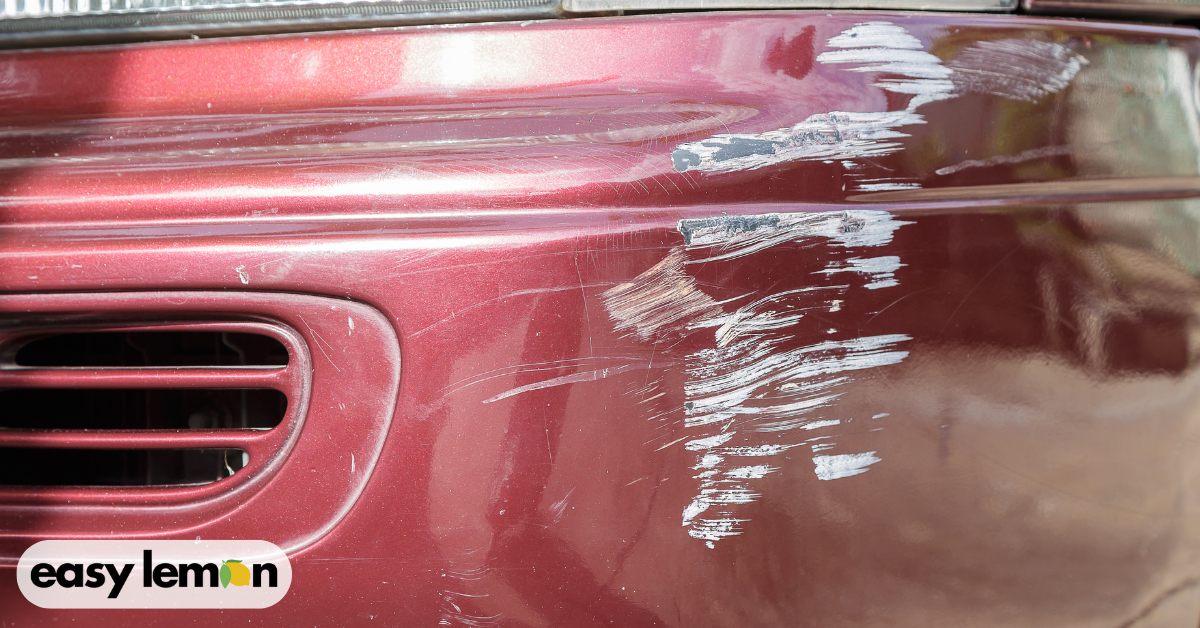
No, not all problems are covered under the Washington Lemon Law. Eligible motor vehicle problems are nonconformity defects and serious safety issues, such as engine problems, electrical system breakdowns, brake failure, air conditioning failure, and transmission issues. Problems that are not covered include normal wear and tear, scratches and dents on the vehicle’s body.
The Lemon Law Claim Process in Washington
The Lemon Law process in Washington is paperwork-heavy and has strict deadlines you must abide by. Therefore it requires protection and guidance from seasoned experts. Here is the step-by-step guide for filing a successful complaint.
1. Notify the Manufacturer About the Defect
The first step to a successful Lemon Law claim is notifying your manufacturer, its authorized motor vehicle dealer, or leasing company about the defect in your car, truck, motorcycle, motor home, or self-propelled vehicle. As a matter of fact, you cannot win your case if there’s no proof that the manufacturer was aware of your vehicle’s defect.
In most cases manufacturers don’t diagnose or repair faults themselves. They often delegate this to their licensed motor vehicle dealer or leasing company. So when you go to the motor vehicle dealer for diagnosis or repair, ask for a written repair order as proof that you stopped by, irrespective of whether they found a fault or not.
If the issue persists, you may consider trying another dealership as proof of good faith in your efforts to diagnose or repair your vehicle. If you’re unsuccessful, send and document a written notice to your manufacturer, explaining the defects in the car, history of past repairs, and interactions you’ve had with their authorized motor vehicle dealer in your bid to fix the issue.
It should also capture your vehicle’s identification number (VIN). Vehicle manufacturers can be quite notorious when trying to wriggle themselves out of Lemon Law cases. In fact, they can claim they never got your notice. For this reason, it’s advisable you send the notice via certified mail.
If the manufacturer acknowledges the mail, fixes the problem and it doesn’t resurface, you can put the issue to rest. But if the problem persists, you need to notify the manufacturer again, until you’ve met the required diagnosis or repair attempt threshold for filing a Lemon Law complaint.
In some cases, the manufacturer may be unresponsive. Once you’ve sent a mail and waited 40 days without any response, you may proceed to arbitration so long as you’ve met the requirements for Washington Lemon law claims.
2. Track All Repair Attempts and Keep Records

Every interaction you make with your manufacturer, authorized motor vehicle dealer or leasing company during this process is an avenue to gather evidence to prove your case. Document every call, text, email, attempt to diagnose or repair, and invoice, dates, and mileage of these attempt.
You need to know what was fixed each time you go for repair and when the issue resurfaced. During calls with the manufacturer customer support, document the ticket number, and the name of the agent who spoke with you.
3. Ensure Your Vehicle Meets Washington Lemon Law Criteria
Always remember that request for arbitration can only be honored when the consumer’s claim meets the Washington Lemon Law criteria. Also, only motor vehicles originally purchased or leased with a valid manufacturer’s warranty coverage are eligible.
Beyond these, the first criterion is that the defect must affect the car’s use, value, or safety. Secondly, any of the following must have occurred:
- If it’s a nonconformity or substantial defect, it must have persisted despite up to four diagnosis or repair attempts. within 24 months or 24,000 mileage use.
- For a serious safety defect, you must have attempted fixing the same issue at least two times within 24 months or 24,000 mileage use.
- Alternatively, you must have attempted to diagnose or repair two or more different serious safety defects within 12 months.
The third criterion is that the motor vehicle must have been out of service in the repair shop or dealership for at least 30 days owing to the defect. Once you meet the first criterion and any of the other two criteria, you can file a complaint for arbitration.
4. Consult a Washington Lemon Law Attorney
The truth is anyone can walk into the Washington State Attorney General’s Office to request arbitration under the Lemon Law. But doing so without the guidance of an experienced and specialized attorney will increase your chances of losing the case.
This is because the average car manufacturer has some of the best law firms on retainer. They can go so low to use technicalities, loopholes in the Lemon Law, and your limited legal expertise to rid you of your due compensation.
If the arbitration goes against you, you will need a Lemon Law lawyer to help you with the necessary paperwork and evidence gathering to appeal the denial and get you the justice you deserve.
Beyond this, a specialized Lemon Law lawyer applies legal expertise and experience to effectively navigate the arbitration process and negotiate with vehicle manufacturers to give you a fair deal.
You don’t have to worry about legal fees at the onset because most attorneys who handle these cases, such as Easy Lemon, offer free case evaluation and don’t charge upfront legal fees. In fact, you only get to pay their service charge if they win the case—which they almost always do.
5. Send a Final Notice to Your Manufacturer

As part of the requirements, you must notify the manufacturer via certified mail of your decision to proceed with a Lemon Law complaint. Give them up to 40 days to respond to the notice before commencing the arbitration.
6. Request Arbitration Through the Washington Attorney General
To request an arbitration between you and your vehicle manufacturer, print, complete, and submit the Lemon Law Request for Arbitration. You can do this or hire a competent Lemon law attorney to handle it. Please note that this request must be submitted within 30 months of the purchase of the vehicle. The issue must occur within the first 24 months or 24,000 mileage, but you have up to the first 30 months to file for arbitration. When filing, add the relevant documents you’ve gathered as evidence to buttress your claim.
If there are documents you need but don’t have access to, such as Technical Service Bulletins (TSBs), you can obtain them by sending a request to your manufacturer or dealership. If they had not honored your request as of the time of filing this form, attach proof of your request instead.
The Lemon Law Administration will scrutinize all the facts you presented and determine whether the case should proceed to arbitration or be dismissed. Washington State runs a free arbitration program and will not charge you for arbitration service fees.
Arbitration Outcome: Next Steps If You Win or Lose
If the case proceeds to arbitration, the case will be decided in your favor if your facts are convincing enough. Otherwise, you may lose the case.
What Happens When You Win Your Lemon Law Case
Depending on the legal redress you seek, you can receive any of three possible settlements. The first is a full refund of the funds spent to acquire or lease the vehicle, including the lease payment, purchase price, incidental costs, sales tax, and registration fees, whichever applies. The second settlement is the

replacement of the vehicle with a non-defective variant of similar value.
Most times, what is offered is the exact model or color. You may argue your case for a different model with the same market value if you have developed an emotional dissociation with the model due to the defects you suffered or you have proof to suggest that all or most units of the model are defective.
Also ensure that the replacement vehicle aligns with your original contract terms. Finally, the last settlement option is reimbursement of costs. This means the manufacturer will reimburse for every expense the defect cost you. You can only accept this option if the defect has been completely fixed.
Once the arbitration decision is announced in your favor, ensure that the manufacturer swings into action immediately. If there’s any form of delay, your Washington Lemon Law attorney should make them implement the decision swiftly. Feel free to book a free case evaluation with an experienced Lemon Law attorney to increase your chances of winning.
What Happens When You Lose Your Lemon Law Case
One of the first things you should do if you lose your case, if you’ve not done it already, is to hire a Lemon Law attorney. Chances are that you lost the case because you didn’t have the proper legal representation.
During a free case evaluation, a Washington Lemon Law lawyer would have easily determined whether your case had enough substance before advising you to proceed to arbitration. Anyway, an experienced attorney will be very instrumental in ensuring that you bounce back from an unsatisfactory arbitration decision.
The next step is to appeal the decision. You should only do this if you believe the arbitration decision was unfair. During the appeal, you will get to present more evidence to prove your case. Once more, your attorney should evaluate your case and see whether it has the potential for success before proceeding.
Alternatively, you may negotiate directly with the manufacturer for a better resolution. This doesn’t often work since they may not feel obligated to continue any other conversation with you on the matter. If the appeal doesn’t go through, your next cause of action may be to file a lawsuit against the manufacturer under the Magnuson Moss Warranty Act.
Yes, car manufacturers are not invisible. In fact, vehicle manufacturers have lost different lawsuits brought against them by unsatisfied customers. So, if your attorney is up to the task, you stand a chance of getting justice and a reasonable settlement for the troubles the defective car put you through.
Need Legal Help with Your Defective Vehicle in Washington?
Your new motor vehicle manufacturer’s written warranty is a legal agreement that should protect you financially when your car, motor home, truck, or motorcycle experiences any serious safety defects or life-threatening malfunction.
Unfortunately, most manufacturers fail to honor the promises they made to their customers in these warranties, and that’s why the Lemon Law exists. This article has explained the important things that the Washington Lemon Law covers.
While you can request for arbitration yourself after several unsuccessful attempts to diagnose or repair your motor vehicle purchased or leased with an applicable manufacturer’s written warranty, it’s best to consult a Lemon Law attorney before proceeding. This will increase your chances of winning the case against your new motor vehicle dealer or manufacturer’s highly paid legal team.
Easy Lemon is a law firm dedicated to helping new motor vehicle owners arbitrate these kinds of issues against their manufacturers. We won’t only help you build your case, but we’ll work round the clock to ensure you win. And guess what? You don’t have to pay any legal fees until you’ve won the case. Book a free case consultation with a Washington Lemon Law attorney today to get started.
FAQs About Washington State Lemon Law
How Long Do I Have to File a Lemon Law Claim in Washington?
You can only file a Lemon Law claim in Washington within 30 months of the original retail delivery date. Once you’ve gone past this eligibility period, your request will not be considered.
Do I Need a Lawyer to File a Lemon Law Claim in Washington?
No, you’re not required to file a Lemon Law request through a lawyer. However, you stand a higher chance of winning your case if you hire an experienced Lemon Law lawyer to match the manufacturer’s legal personnel.
How Long Does the Lemon Law Process Take in Washington?
How long the Lemon Law process takes in Washington depends on several factors, including how you submitted the request. When you submit your request, the Lemon Law Administration will review your application to determine if you’re eligible.
If the accompanying documents you added to the request are not substantial enough, your application may be denied or delayed. However, once your request is deemed eligible, it will be forwarded to the New Motor Vehicle Arbitration Board, which will schedule an arbitration hearing to hold within the next 45 days. The board is also expected to give a decision within 60 days of receiving your request.
What Should I Do Before Filing a Lemon Law Claim in Washington?
Before filing a Lemon Law claim, you should properly collate documents and facts that will prove your case. You should also consult a Lemon Law attorney in Washington to advise you on how best to proceed.
Are Lemon Law Settlements Taxable?
Yes, some Lemon Law settlements are taxable. It depends on the type of compensation you received. Compensation due to personal injuries claims are not taxable, while other types of settlements may be liable to taxes.
How Can a Lemon Law Attorney Help With My Claim in Washington State?
A Lemon Law attorney will evaluate the case to determine whether it has solid grounds for a claim. They will also show you loopholes in the case that the manufacturer’s legal counsel will capitalize on to deny you justice. Furthermore, Lemon Law attorneys are seasoned negotiators and will help you get the best deal during arbitration.
What Do I Do If I’m Not Eligible for a Washington State Lemon Law?
If you don’t meet the eligibility requirements for a Washington Lemon Law claim, you may consider pleading your case through the Federal Lemon Law. The Federal Lemon Law, also known as Magnuson-Moss Warranty Act, has more eligibility flexibility than that of Washington State.
You can also sue the motor vehicle manufacturer under the Washington State’s Motor Vehicle Warranties Act. This is because you should be protected by the binding assurances of the manufacturer’s written warranty. And any deviation from it is considered a breach of contract.
How Many Reasonable Number of Attempts for Repair Should I Make Before Filing for Lemon Law?
The reasonable number of attempts required by law depends on the nature of the defects. It’s four reasonable attempts for substantial defects and two for serious safety defects.