

Lemon Law is designed to protect consumers who’ve purchased defective vehicles that can’t be fixed within a reasonable number of attempts. But, the problem is that Lemon laws vary from state to state, so understanding how they work where you live is crucial. In New Jersey, the Lemon Law provides strong consumer protections, but you’ll need to meet specific criteria to qualify for compensation.
In New Jersey, if your car has a serious issue that remains unfixed after three or more repair attempts, or if it’s been out of service for at least 20 days within the first two years or 24,000 miles, you may be eligible for a refund, replacement, or cash compensation. The Lemon Law process involves documenting the problem, notifying the manufacturer, and, if necessary, filing a claim through arbitration or legal action. It’s a powerful law, but only if you know how to use it.
At Easy Lemon, we make navigating New Jersey’s Lemon Law simple and stress-free. Our team focuses exclusively on Lemon Law claims, and we know exactly how to hold manufacturers accountable. Contact us today for a free consultation and let our experienced New Jersey Lemon law attorneys help you figure out your next steps and fight for the compensation you deserve
This post will cover everything you need to know about how Lemon Law works in New Jersey, from what compensation you can expect to how long the process takes to whether you need a lawyer.
What is the New Jersey Lemon Law?
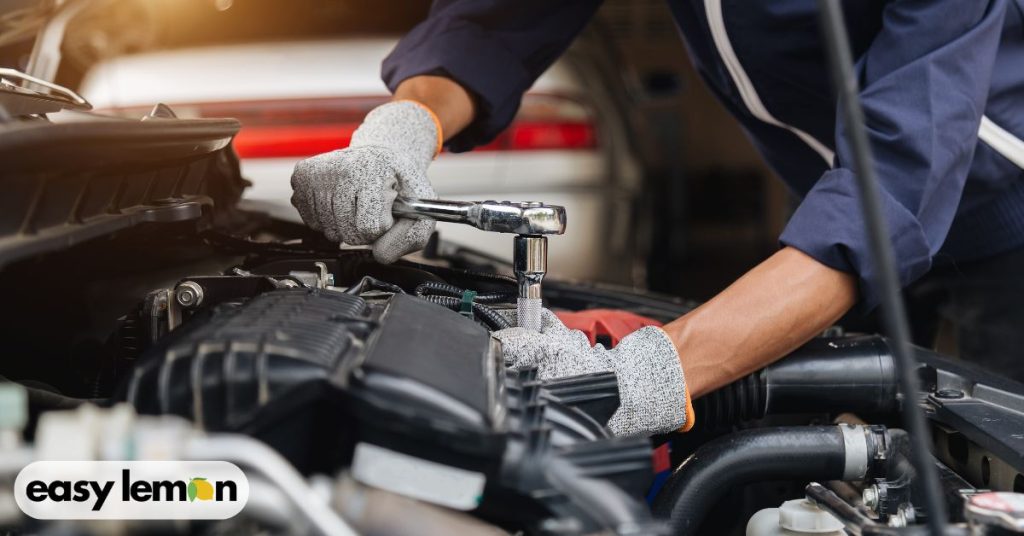
In New Jersey, a “lemon” vehicle is one that has a serious defect that the manufacturer or dealership can’t fix after a reasonable number of attempts. These aren’t minor problems like a broken cupholder or a loose floor mat. We’re talking about major safety or drivability issues that interfere with how the car runs, how safe it is, or how much it’s worth.
There are two types of Lemon Law protections that are in place for you in NJ. You have the Federal Lemon Law, officially known as the Magnuson-Moss Warranty Act, which protects consumers nationwide when a product under warranty (including cars) doesn’t work as promised. In addition to that, there is the New Jersey Lemon Law, which is state-specific and often more direct and powerful for local drivers dealing with serious car problems.
New Jersey enacted its Lemon Law in 1989 to protect car buyers and lessees from getting stuck with defective vehicles. It was a response to the growing number of consumer complaints about car issues that wouldn’t go away.
If you file a Lemon Law complaint in NJ, it’s handled by the Division of Consumer Affairs, specifically the Lemon Law Unit. This agency reviews your case and helps determine if your car qualifies for a refund, replacement, or cash compensation.
In short, the New Jersey Lemon Law gives you the right to resolve your problematic car situation without being stuck with the financial fallout. If your car qualifies, you could be eligible for a full refund, a brand-new replacement, or even a settlement payment to keep your car while being compensated for the hassle.
Which Vehicles Qualify Under NJ Lemon Law?
New Jersey’s Lemon Law doesn’t apply to every car, but it does cover a large number of new and leased vehicles, as long as they meet specific requirements. Their Lemon Law covers new passenger vehicles and motorcycles that are purchased or leased in NJ. It also covers authorized emergency vehicles and motorhomes (not the living quarters). To qualify under NJ’s Lemon Law:
- Your car must be within the first 24 months of ownership or the first 24,000 miles, whichever comes first.
- The defect must be serious—something that affects the car’s use, value, or safety.
- The issue must persist after three or more repair attempts by the dealer or manufacturer, or the car must be out of service for at least 20 cumulative days while being repaired.
Additionally, the law covers major mechanical or safety issues like engine trouble, faulty brakes, or malfunctioning electronics. Basically, anything that makes the car unreliable or unsafe. On the other hand, it doesn’t cover damage from accidents, wear-and-tear issues, or problems caused by neglect or unauthorized repairs.
Furthermore, leased vehicles have the same protections as purchased ones as long as the car was leased new (not used), still under warranty, and the defect shows up within that 24-month/24,000-mile window.
Are Used Vehicles Covered By the New Jersey Lemon Law?

Absolutely, but they fall under a separate law from the one that covers new cars. New Jersey has a special law to protect buyers of used cars, called the Used Car Lemon Law. It doesn’t offer the same level of protection as the new car version, but it still gives you rights if you unknowingly purchase a defective used vehicle.
For your used car to qualify under NJ’s Used Car Lemon Law, it must be a passenger car and must have been purchased from a licensed dealer, as the law applies only to dealership sales, not private transactions. The purchase price must be at least $3000 and have fewer than 100,000 miles at the time of sale. After meeting these requirements, the dealer is then required to provide you with a warranty that will have at least the following minimum durations:
- The dealer must provide the consumer with a warranty for 90 days or 3,000 miles, whichever comes first, if the motor vehicle has 24,000 miles or less on its odometer.
- The dealer must provide the consumer with a warranty for 60 days or 2,000 miles, whichever comes first, if the motor vehicle has between 24,000 miles and 60,000 miles on its odometer.
- The dealer must provide the consumer with a warranty for 30 days or 1,000 miles, whichever comes first, if the motor vehicle has between 60,000 miles and 100,000 miles on its odometer.
Additionally, the used car Lemon Law covers only passenger vehicles and does not cover commercial vehicles. It also doesn’t cover issues that were disclosed in writing before the sale, or damage caused by accidents, modifications other than the dealer’s, or driver misuse.
If your used car fits the criteria and you’re still battling the same problems, it might be time to talk to an experienced Lemon law attorney for used cars. They can help determine if your car qualifies and what compensation you might be entitled to.
Common Issues That Qualify as Lemon Defects
Lemon Law isn’t about smaller problems. It’s about real problems that make your car unsafe or unusable. Some of the most common issues that can qualify are: engine or transmission failure, electrical system malfunctions, brake or steering problems, defective airbags or safety features, and recurring check engine light issues.
How the Lemon Law Process Works in NJ

The Lemon law process in NJ can be overwhelming, however, we have broken the process down into a step-by-step guide to keep things simple and make it stress-free.
Step 1: Gather Essential Documentation
Before you can take action under New Jersey’s Lemon Law, you’ll need to gather strong, organized documentation. Think of it as building your case file. Start with your car’s purchase or lease agreement, which proves ownership and outlines the terms of your deal. Next, collect all repair orders and invoices, each one tells the story of what’s been done (or not done) to fix your car.
If you’ve had back-and-forth conversations with the manufacturer or dealership about the issue, include copies of those emails or letters too. They help show you’ve tried to get the problem resolved. Finally, if your car troubles left you relying on a tow truck or rental car, save those receipts; they might be reimbursable.
Step 2: Confirm Your Vehicle Meets NJ Lemon Law Criteria
Once your documents are ready, the next step is confirming that your situation qualifies under New Jersey’s Lemon Law. For new cars, the problem must have been reported within the first 24 months or before you hit 24,000 miles, whichever comes first. If it’s a used car, it needs to be covered by a dealer warranty, and the defect must have occurred within 90 days or 3,000 miles.
The issue also has to be a “substantial defect,” meaning it affects your safety, your ability to use the car, or its overall value. Lastly, the repair shop must have failed to fix it after at least three separate attempts, or the car must have spent over 20 days total in the shop. If all these boxes are checked, you’re ready to take the next step.
Notify the Manufacturer & Request Final Repair
Before filing a formal complaint, you’re required to give the manufacturer one final chance to fix the problem. To do this, send them a written notice that outlines the defect, lists the repair attempts already made, and requests a final repair. Be clear and specific, dates, problems, and what was (or wasn’t) done all matter.
This letter should be sent via certified mail so you have proof it was received. Without this step, your lemon law case could stall before it even begins.
Step 4: Contact an Experienced Lemon Law Attorney

This is where professional help makes a big difference. A seasoned Lemon law attorney can evaluate your documents, determine if your case qualifies, and handle all communication with the manufacturer. The most convenient part is that many attorneys in New Jersey offer free consultations and don’t charge you unless you win your case. That’s called working on contingency. Not only does having a lawyer improve your chances of success, but it also relieves the pressure of trying to navigate the process alone.
At Easy Lemon, we’ve helped countless frustrated car owners across New Jersey take control of their Lemon law cases and win. We’re not just here to explain the process; we’re here to walk you through it every step of the way. Contact us today for a free consultation.
Step 5: File a Complaint with NJ Lemon Law Unit
If the final repair attempt fails or if the manufacturer ignores your letter, it’s time to file a Lemon law claim. In New Jersey, this means submitting your case to the Division of Consumer Affairs Lemon Law Unit. You’ll need to complete the Lemon Law application, include all supporting documents (like repair records, receipts, and your notice letter), and pay any necessary filing fees. Once submitted, the state reviews your claim to determine if it’s eligible for arbitration.
Step 6: Attend Arbitration or Pursue a Lemon Law Lawsuit
If your case is accepted, you may be scheduled for an arbitration hearing through the Lemon Law Unit. This is a more informal alternative to court where both sides present their case, and a neutral third party makes a decision. If arbitration resolves your case, you could receive a refund, a replacement car, or cash compensation.
However, if arbitration doesn’t go your way or if the manufacturer refuses to cooperate, your attorney can take the next step in filing a lawsuit. In some cases, this is the only way to get the fair outcome you deserve. Either way, with the right preparation and guidance, you’re on track to resolving your lemon law issue once and for all.
What Compensation Can You Get Under NJ Lemon Law?

Under the New Jersey Lemon Law, there are three main remedies available to consumers: a full refund, a replacement vehicle, or cash compensation. The most comprehensive option is a full refund, which includes the purchase price of the car, sales tax, registration fees, and even finance charges. Essentially, it’s as if the sale never happened, minus a small deduction based on the miles you drove before the defect first appeared.
Another remedy is receiving a replacement vehicle that matches the original car’s make, model, and features. This is a great choice if you like your vehicle but want one that actually works as promised. Finally, there’s the cash compensation route. Often referred to as a cash-and-keep settlement, this lets you hold on to your current car and still receive compensation for its diminished value or for repeated repair issues.
Furthermore, when it comes to expenses, your reimbursement could go beyond just the car itself. If you’ve paid out of pocket for repair work, towing services, or rental cars while your lemon was being fixed, those costs may be covered, too. And if you hire an attorney and win your case, the manufacturer is often required to pay your legal fees. That’s why working with a Lemon Law attorney can be a smart move, they can help ensure you get every dollar you’re owed.
How Does a Lemon Law Buyback Work in NJ?
A Lemon Law buyback is exactly what it sounds like: the manufacturer repurchases your defective car. If your claim qualifies under New Jersey’s Lemon Law, you could receive a refund that includes the purchase price, taxes, registration fees, and sometimes legal costs. However, the manufacturer is allowed to deduct a portion of the refund based on how many miles you drove before the defect was first reported. This is known as a mileage deduction.
To begin the buyback process, you’ll first need to meet the Lemon Law criteria, which include multiple failed repair attempts or having your car out of service for 20 or more cumulative days. Once those requirements are met, you’ll need to notify the manufacturer in writing and request a buyback. If they don’t respond or refuse your request, you can proceed with arbitration or even file a lawsuit if necessary. If your claim is approved, the manufacturer will repurchase the vehicle and issue your refund. It’s a legal process, but with the right documentation and support, it’s very doable.
How Long Does Lemon Law Take In New Jersey?

While some Lemon Law claims in New Jersey are straightforward, many benefit from having a lawyer involved, especially when the manufacturer disputes your claim. In simple cases, where the manufacturer agrees early on to a refund or replacement, you might not need legal representation. But when things get complicated, like if the manufacturer denies responsibility or offers an unreasonably low settlement, you need a Lemon law attorney who can make a huge difference.
There are several advantages to hiring a Lemon Law attorney. For one, most work on contingency, meaning you don’t pay anything upfront. If you win your case, the manufacturer is legally required to pay your attorney’s fees. Attorneys also handle the heavy lifting, meaning that they negotiate on your behalf, submit the right documents, and represent you during arbitration or in court. Having a lawyer signals to the manufacturer that you’re serious and that you know your rights.
An experienced attorney can also make sure your case is airtight from the start. They’ll help confirm whether your car qualifies under New Jersey’s Lemon Law, organize repair records and receipts, gather supporting evidence, and avoid mistakes that could delay or derail your claim. If your case goes to arbitration or court, you’ll already have someone who knows the system on your side.
Want the Best NJ Lemon Law Attorney on Your Side?
New Jersey’s Lemon Law protects car owners who are stuck with defective cars that can’t be fixed after multiple repair attempts or have spent too many days in the shop. Whether you bought or leased a new or used car, knowing your rights under New Jersey’s Lemon Law can help you take action and get the help you need. Furthermore, NJ Lemon law is time-bound, so it’s important that you act quickly to get the compensation you deserve.
At Easy Lemon, we make Lemon Law easy, so you can move on with confidence. Our experienced New Jersey Lemon Law Attorneys can help you turn your car trouble into a solution. Reach out to us for a free consultation today.