
Common problems in 2021-2026 Chrysler Pacifica involve powertrain issues (transmission glitches, engine stalling/loss of power), electrical faults (infotainment system errors, battery/charging issues, camera malfunctions), sliding door failures, brake system glitches, and AC/climate control failures, with specific concerns for hybrids including battery/power loss and software updates affecting functionality. Owners frequently report problems with seat latches failing to lock, steering, and unexpected braking, alongside general build quality and electronic system unreliability.
At Easy Lemon, our team of seasoned, well-experienced attorneys has helped numerous drivers and clients recover millions from insurance companies and manufacturers. With extensive knowledge in car lemon law, our team will guide you through complex legal processes, including filing of claims and negotiating with insurers and manufacturers, and most importantly, help you resolve your Chrysler Pacifica issues. Schedule a call with us today for a free consultation and let us provide you with the best legal representation you can get to defend your rights.
This post covers in detail the common Chrysler Pacifica problems, how these problems affect drivers, and the possible solutions to these problems. It also highlights the different ways lemon law can assist affected owners/drivers, and provides guidance on how to file a lemon claim.
What Are the Common Issues with Chrysler Pacifica?
Common transmission-related problems often manifest as shifting difficulties, unusual noises, or fluid issues, largely caused by neglect, overheating, or normal wear and tear. Key indicators include slipping gears, delayed engagement, burning smells, and active warning lights (Check Engine or Transmission Temp). Here is a detailed breakdown of common transmission problems and their potential causes:
Transmission Issues
Transmission-related problems are often caused by neglected maintenance, low fluid levels, or internal component wear, with common symptoms including slipping gears, delayed engagement, and burning smells. The most frequent causes are low or contaminated transmission fluid, overheating, and faulty electronic components like solenoids or sensors.
Here is a detailed breakdown of common transmission problems and their potential causes:
- Transmission Slipping: The vehicle struggles to change gears, revs high without accelerating, or feels like it is momentarily losing power. This issue could be as a result of low transmission fluid, contaminated/dirty fluid, worn-out clutches, or damaged solenoids.
2. Delayed or Harsh Engagement (Hard Shifting): This is characterized by a noticeable hesitation or “clunking” sound when moving from park to drive or reverse. This is usually caused by low fluid levels, incorrect fluid type, damaged transmission mount, or a failing solenoid.
3. Transmission Fluid Leaks: This problem is characterized by a reddish brown fluid pooling under the vehicle, which is critical as fluid acts as both lubricant and hydraulic pressure. These problems can be caused by damaged seals, worn gaskets, or a cracked transmission pan.
4. Burning Smell: A distinct, sweet, or acrid burning smell, indicating the fluid is overheating. This is caused by overheated transmission fluid, low fluids levels, or internal component damage.
5. Unusual Noises in Neutral or Gear: Grinding, humming, whining, or buzzing noises while the car is running. Worn bearings, failing gears, a damaged torque converter, or low, and contaminated fluid, are all possible causes of the gear problems
6. Vehicle Refuses to Move (No Engagements): When the engine runs, but the transmission will not engage in any gear, usually caused by extreme fluid loss, failed torque converter, broken internal parts or electronic control system failure.
7. Overheating: The transmission overheats, often triggering a warning light. Common causes of overheating include heavy towing , driving in extreme conditions, low fluid levels, or a clogged transmission cooler.
Electrical System Failures
Common electrical system failures in vehicles often stem from issues with the battery, alternator, or wiring, resulting in symptoms ranging from minor accessory failures to complete vehicle shutdowns.
Some of these electrical failures and their respective impacts on a vehicle are listed below:
| Electrical System Issues | Description & Causes | Impact On The Vehicle |
| 1. Battery and Charging System | ||
| Dead or Weak Battery. | Frequently caused by age (3-5 years), extreme temperatures, or leaving electronics on, a weak battery cannot hold charge. | Slow engine cranking, no-start condition, dimming lights, and, if it dies while driving, sudden engine stalling. |
| Failed Alternator | A failing alternator fails to recharge the battery while the engine runs, leading to a total loss of power. | Battery warning light illuminates, flickering headlights, and power loss to accessories like radio or windows, often ending in a total breakdown. |
| Corroded Terminals | Battery terminals can develop rust or corrosion, limiting the flow of electricity. | Intermittent starting issues or a completely dead system despite having a charged battery. |
| 2. Dashboard Malfunctions. | ||
| Flickering/Dim Dashboard Light | Often caused by an unstable power supply from a weak battery or failing alternator. | Reduced visibility of speed, fuel levels, and warning lights, making it hard to monitor vehicle safety. |
| Unresponsive or Erratic Gauges | Caused by faulty sensors, loose wiring, or a failing instrument cluster. | Inaccurate speed, fuel, or temperature readings, potentially leading to running out of gas or severe engine overheating due to missed warnings. |
| Persistent or False Warning Lights | Triggered by faulty sensor inputs or software issues in the Engine Control Module (ECU). | Christmas tree dash (multiple lights on) or failure to warn of actual critical failures (e.g., oil pressure). |
| 3. Wiring and Connection Issues | ||
| Broken or Corroded Wiring | Caused by aging, vibration, or rodent damage | Unpredictable behavior, including random electrical failures, intermittent loss of power to systems, or flickering lights. |
| Electrical Shorts/Blown Fuses | Caused by power surges, overloading, or wires touching the frame. | Specific systems (e.g., radio, wipers, power windows) stop working suddenly; may cause burning smells or fire hazards if wires overheat. |
| 4. Other Common Failures. | ||
| Faulty Starter Motor. | Worn out or damaged, a bad starter cannot initiate the engine. | Clicking sound, slow engine cranking, or no engine turn-over at all, requiring a tow. |
| Malfunctioning Sensors/Ignition | Problems with spark plugs or ignition coils. | Engine misfires, poor acceleration, stalling, or a “check engine” light. |
Neglecting these issues can lead to increased repair costs, including the replacement of an entire instrument cluster ($970–$1,020) or a full car rewire ($1,200–$1,500). Prompt attention is necessary to avoid being stranded.
How Do Chrysler Pacifica Problems Affect Drivers?
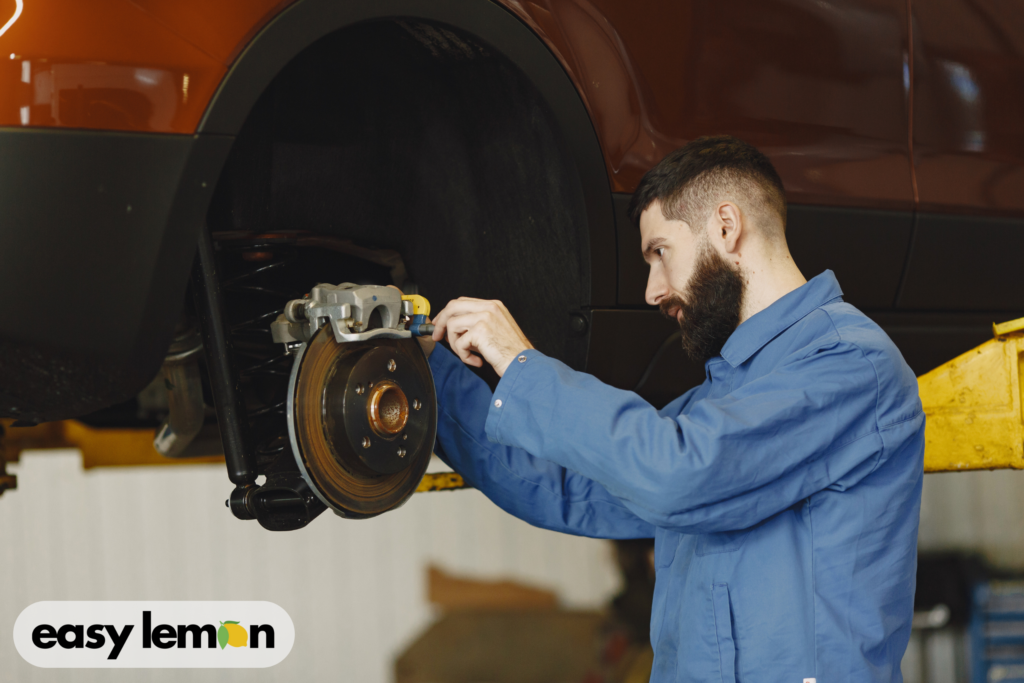
Neglecting vehicle maintenance or driving with mechanical faults significantly degrades vehicle performance and compromises driver safety. Key issues such as worn brakes, damaged suspension, engine failure, and underinflated tires can lead to increased stopping distances, loss of control, and increased accident risk. The impact of these problems on vehicle performance and safety are outlined below.
Safety Concerns
Safety concerns with the Chrysler Pacifica primarily involve electric power steering malfunctions (sticking/sudden assist loss leading to oversteer), Pacifica Hybrid battery fire risks, unexpected engine shutdowns, and issues with adaptive cruise control/collision warning systems that can misbehave, with numerous recalls and ongoing investigations by the NHTSA covering different model years and configurations.
1. Worn Brake Pads and System Failures
- Performance Impact: Worn pads increase stopping distances, cause a soft/spongy brake pedal, and create vibrations or “pulsation” in the steering wheel during braking. They also cause brake fade which is a reduction in braking power due to heat buildup.
- Safety Impact: This creates a high risk of rear-end collisions, particularly in emergencies, as the car takes longer to stop. Severe, ignored wear can lead to total brake failure.
2. Broken or Worn Suspension System
- Performance Impact: Damaged shocks or struts cause excessive bouncing, steering instability (“wandering”), and a harsh, noisy ride. The vehicle may “nose-dive” forward during braking or lean excessively during turns.
- Safety Impact: A poor suspension reduces tire contact with the road, leading to a loss of control, especially over bumps or in sharp curves. It also causes uneven tire wear, which can cause sudden loss of traction.
3. Engine and Transmission Problems
- Performance Impact: Engine issues (e.g., misfires, clogged filters, low oil) result in reduced acceleration, power loss, and frequent stalling. Transmission failure leads to “slipping” gears, unexpected shifts, or total failure to move.
- Safety Impact: A stalled engine on a highway or in an intersection leaves the vehicle immobile, creating a high risk of rear-end or T-bone collisions. Transmission failure can result in loss of control while driving.
4. Tire Issues (Underinflation/Wear/Blowouts)
- Performance Impact: Improperly inflated or worn tires reduce fuel efficiency, cause poor handling, and create uneven tire wear.
- Safety Impact: Underinflated tires can lead to overheating and blowouts. A sudden blowout or low traction (from worn tread) makes the vehicle hard to control, leading to potential collisions at high speeds.
5. Electrical System Failures
- Performance Impact: A failing alternator or weak battery can lead to intermittent power loss, dimming lights, and inoperable electronic systems (like power steering).
- Safety Impact: Broken headlights, tail lights, or blinkers prevent the driver from seeing at night and make it impossible to signal intentions to other drivers, significantly increasing collision risk.
6. Overloading
- Performance Impact: Exceeding weight limits places immense strain on the engine, transmission, and braking components, causing faster wear and overheating.
- Safety Impact: Overloaded vehicles take up to 50% longer to stop and suffer from significantly reduced stability in emergencies.
Performance and Reliability
System failures in Chrysler vehicles, particularly regarding the transmission, engine, and electrical components, significantly compromise both performance and reliability, often manifesting as severe drivability issues and high repair costs. Common issues such as transmission slippage, engine stalling, and faulty TIPM (Totally Integrated Power Module) units directly erode consumer confidence in the vehicle’s long-term dependability.
Performance Compromise
- Transmission Dysfunction: Many Chrysler models (like 2025 Chrysler), including the 200 and Pacifica, have reported 9-speed transmission issues characterized by harsh, erratic, or delayed shifting, as well as unintended shifting into neutral while in motion. This causes a “slipping” feeling, where the engine revs, but acceleration is sluggish or non-existent.
- Engine Power Loss: Engine management issues, including faultyEngine Control Modules (ECM)or PCM, often lead to stalling, rough idling, and hesitation during acceleration.
- Emission System Issues: Clogged catalytic converters and EVAP leaks in Chrysler vehicles directly restrict exhaust flow, causing a significant loss of horsepower and poor engine responsiveness.
- Safety System Malfunctions: Defective ABS/ESC systems, often stemming from overheated power distribution centers, can lead to a complete loss of stability control during high-speed maneuvers.
Reliability Compromise
- Electrical System Failures (TIPM): The Totally Integrated Power Module (TIPM) is a known weak point in various Chrysler, Jeep, and Ram vehicles. A faulty TIPM can lead to unexpected shutdowns, fuel pump failures, and electrical components, such as doors and lights, acting erratically, leaving drivers stranded.
- Engine Oil and Cooling Issues: Specific models have reported excessive oil consumption (e.g., 2.4L Tiger shark engines), which can lead to premature engine wear and, if the oil drops too low without warning, severe engine damage. Additionally, water pump failures often lead to engine overheating.
- In-Cabin and Structural Issues: Beyond powertrain issues, reliability is impacted by premature brake wear, warped interior door panels, and erratic, unintended deployment of active head restraints.
- High Maintenance Costs: Chrysler vehicles often have above-average ownership costs ($608 annually) due to these frequent, serious failures.
These system failures are often attributed to, or lead to, “lemon law”, as the persistent nature of these issues significantly impairs the vehicle’s value, safety and use.
What Are the Solutions for Chrysler Pacifica Issues?
Chrysler Pacifica issues often involve transmission glitches, electrical/battery problems, engine oil leaks, brake wear, and suspension/steering noises, with solutions ranging from simple fixes like battery/fuse checks (which can be done quickly by checking under the hood of the car), software resets, and regular maintenance (oil changes, alignment) to more complex repairs like transmission solenoid replacement, head gasket fixes (for engine block issues), or replacing worn suspension parts, often requiring professional diagnosis with OBD-II scanners. Proactive maintenance and timely repairs of warning signs are key to preventing costly damage.
Some common issues like electrical/battery issues can be solved by regularly inspecting battery health, alternator, fuses, and wiring. Clean battery terminals , and use multimeter to check connections. For engine problems, the best solution is to run an engine diagnostics, after which potential fixes include replacing seals/gaskets or addressing cylinder block undulations (a known issue in some 3.6L engines). Brake wear and noise, on the other hand, can be fixed by timely replacement of brake pads and rotors using quality parts.
Transmission problems in a Chrysler Pacifica (unlike other vehicles like Honda odyssey) can be curbed by replacing transmission fluid, resetting the transmission control module, diagnosing faulty solenoids, or address software glitches with updates. Finally, engine oil leaks can be fixed by closing the leakage, performing regular oil changes, using OEM/premium parts for replacement.
Manufacturer Recalls
Manufacturer recalls play a crucial role in fixing common Chrysler Pacifica problems like stalling, steering loss by mandating free repairs, software updates, or component replacements. This significantly improves safety and reliability, although some fixes, like hybrid battery issues, take time, requiring owners to follow precautions until repairs are available. Recalls address significant defects, such as loose ground cables causing stalls (2017-2019) or faulty battery monitors (Pacifica Hybrid), demonstrating Chrysler’s response to early model year issues and increasing overall vehicle quality over time.
Below are some key recalls and common issues that have been addressed, provided for reference:
- Engine Stalling/Power Loss (2017-2019 Models): A loose ground cable connection due to a wiring harness sealer could cause stalls or power steering loss. Dealers inspect, clean, and reassemble the connection.
- Pacifica Hybrid Battery Fires (Various Years): Recalled for potential battery fires, especially during charging, leading to parking restrictions and required software updates/battery checks.
- Hybrid Engine Shutdown (2017-2023 Models): A software fix was needed for an internal wiring short that could cause the gas engine to stop unexpectedly.
- Airbag Defects (2022-2025 Models): Recalled for side curtain airbags that might not inflate properly, requiring replacement.
- Wiper/Seat Issues: Other recalls addressed non-working windshield wipers (2022) and faulty second-row seat latches (2021-2022).
Maintenance and Repairs
Some maintenance tips for Chrysler Pacifica owners include following manufacturers maintenance schedule strictly, keeping oil, coolant, and brake fluid always topped off and clean. Also, remember to check your tires pressure regularly, inspect your battery for corrosion. Finally, always keep your vehicle clean and waxed to protect the exterior.
Generally, you need to act fast whenever you notice warning lights or a change in the performance of your vehicle. It is not wise to ignore warning lights as prompt action prevents bigger bills. Remember to always use high-quality parts for replacements to guarantee a smooth performance in the near future and improve longevity.
What Are the Legal Avenues for Affected Owners?

Affected Chrysler Pacifica owners can pursue legal action through State Lemon Laws, Class Action Lawsuits (for widespread issues like stalling or fire risks, especially in hybrids), Product Liability Claims (if a defect caused injury or damage), or Breach of Warranty Claims, often with guidance from consumer protection lawyers specializing in auto defects. Key avenues involve arbitration via settlements (like the CAP-Motors program for certain issues) or direct lawsuits, focusing on proving the defect substantially impairs use, value, or safety.
Lemon Law Protections
Lemon laws can assist affected owners by mandating manufacturer remedies, which means if the vehicle is deemed a “lemon”, the law forces the manufacturer to either repurchase the vehicle and refunds the owner. The full purchase price or the price at which the vehicle was sold to the customer for (also known as Manufacturer Buyback), or the manufacturer replaces the vehicle with a new one (replacement). Another way lemon law assists affected owners is by defining “reasonable “ repair attempts. Lemon laws define when a car qualifies for protection, preventing manufacturers from dragging out repairs indefinitely.
One of the partners at Easy Lemon, Natalie Nassi, had this to say about the role the lemon law plays to assist vehicle owners to get the rightful compensation:
“Too many drivers put up with defective vehicles, believing they have no options. If your car has recurring issues, you have rights. Lemon Laws hold manufacturers accountable, forcing them to fix or replace faulty vehicles instead of leaving consumers stuck with a bad deal.”
Lemon laws facilitates legal assistance and costs, which are designed to make it easier for consumers to obtain representation since manufacturers have legal teams to fight claims. Beyond the vehicle itself, lemon laws allow owners to recover incidental costs, such as towing expenses, cost of replacing the car, rental car cost, etc.
Filing a Claim
To file a Lemon Law claim, first, gather detailed records of all repairs and communications, then send a formal written notice to the manufacturer requesting a final repair attempt, and if unresolved, consult a specialized attorney to draft a formal demand letter and navigate the claim process, which can involve negotiation, arbitration, or court action for a refund, replacement, or compensation (money).
The steps involved in filing a lemon law claim are broken down below:
Step 1: Understand Your State’s Law & Document Everything
- Check State Requirements: Lemon Laws vary by state (sometimes by country); confirm your vehicle’s defect qualifies (substantial impairment of use, value, or safety) and if you’ve had a reasonable number of repair attempts (e.g., 3-4 times). Studying your state’s lemon laws can provide clarity on several confusing aspects of the lemon laws generally, and help you understand what actions are within your rights, especially common questions like can i return a leased car if it has problems?
- Gather Records: Keep every repair order, service record, warranty document, email, text, picture (s), and note from calls with the dealer or manufacturer.
- Track Details: Note dates, descriptions of problems, days the car was out of service, and any inconvenience.
Step 2: Notify the Manufacturer
- Write a Formal Letter: Send a formal, written demand letter via certified mail to the manufacturer’s regional office.
- Include Details: Summarize the vehicle’s issues, repair history, and state your desired remedy (refund, replacement).
- Give a Final Chance: This notice often serves as the “final opportunity to cure” (fix) the defect.
Step 3: Seek Legal Help & File Your Claim
- Consult an Attorney: An experienced lemon law attorney can assess your case, handle complex procedures, and represent you.
- File the Claim: If negotiations fail, your attorney will help file the formal claim, potentially through arbitration or court.
Step 4: Resolution
- Negotiation/Arbitration: Your lawyer will negotiate with the manufacturer/seller of the vehicle for a settlement.
- Litigation: If needed, the case can proceed to trial.
- Compensation: A successful claim can result in a buyback (refund of payments, fees) or a vehicle replacement.
Ready to Solve Your Pacifica Problems?
Addressing Chrysler Pacifica issues like transmission failures, engine problems (stalling, overheating), and Uconnect glitches is crucial for safety, reliability, and preventing costly repairs, with legal advice essential for unresolved defects under Lemon Laws, potentially leading to vehicle replacement or refunds from Chrysler/Stellantis, especially with severe issues like fire risks or repeated failures. Seeking legal help protects your consumer rights when standard repairs fail, holding the manufacturer accountable.
Are you ready to resolve your Pacifica problems? Our team of experienced lemon law attorneys at Easy Lemon, are ready to put their experience and expertise to work in making sure you get what you deserve within your rights. Contact us today for a free consultation and let us guide you through resolving your Chrysler Pacifica issues. Take action now for a smoother driving experience and peace of mind.
FAQs
The procedures involved in solving common Chrysler Pacifica issues are usually quite complex and overwhelming for first time owners. Here are some frequently asked questions that may guide you and their answers.
How To Fix Transmission Issues In A 2021-2026 Chrysler Pacifica?
Fixing transmission issues in a 2021-2026 Chrysler Pacifica frequently involves addressing software calibration for rough shifting in gasoline models or, more critically, addressing wiring harness failures in Hybrid (PHEV) models through recalls. The 9-speed automatic (gas) often requires a TCM “relearn” procedure, while the Hybrid may require a full transmission replacement.
What Are Common Electrical Problems In The 2021-2026 Chrysler Pacifica?
Common electrical issues in the 2021-2026 Chrysler Pacifica often involve the Hybrid system (charging, loss of electric mode, battery cooling), general infotainment/sensor glitches, weak 12V batteries, and problems with power windows, doors, and liftgates, with some related to recalls for hybrid models affecting power loss and fire risk. Specific complaints mention failed battery heaters, transmission-related power loss, and electronic control module (ECM) confusion.
What Are The Most Common 2021-2026 Chrysler Pacifica Problems That Can Impact My Budget?
Common budget-impacting issues for 2021-2026 Chrysler Pacifica include transmission problems (jerky shifts, hesitation, power loss), engine troubles (stalling, excessive oil consumption, check engine lights due to sensors/misfires), and infotainment/electrical glitches, alongside potential costs for climate control issues (A/C, heater) and premature wear like brake problems, all adding to repair expenses beyond routine maintenance.
What Are The Common Mistakes To Avoid When Dealing With 2021-2026 Chrysler Pacifica Problems?
Dealing with 2021-2026 Chrysler Pacifica issues requires proactive maintenance and, in many cases, immediate action to prevent, for example, transmission failures, engine stalling, and electrical gremlins. Common mistakes include ignoring software updates, delaying transmission service, overlooking engine coolant levels, and not properly managing the hybrid battery (if applicable).